There’s nothing more frustrating than feeling a little bit “off.” You can’t put your finger on it, but something in your body is crying out for help. You head to the doctor’s office; they run tests, but everything looks perfectly normal, so you just go home and get some rest.
Perfect.
After having major surgery, I spent months feeling just like this. Those months quickly turned into a year, and before I knew it, I was canceling plans with friends and avoiding my usual workout routine.
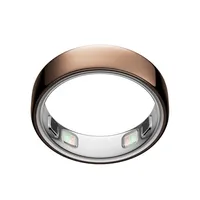
Little did I know the thing that would drag me out of this hole was one of the best smart rings that I’ve been wearing on my hand for three years — my Oura Ring.
I’ve been tracking everything

I’ve been wearing an Oura Ring 3 since 2023, and have recently upgraded to the new Oura Ring 5. Every morning I open the app to check my sleep score, note to myself what made it a great (or not great) night's sleep, and get on with my day.
By checking my readiness scores daily, I get a good idea of what my body can handle. If I didn’t get a restful sleep, I take on a lighter load, but if I’ve been out cold for a full nine hours, you can bet I’m going to be climbing a mountain.
My heart rate was jumping all over the place even when I was sitting down doing nothing. That, combined with some noticeable palpitations, made me take one more trip to the doctor’s office — and I’m glad I did.
I’m a pretty active person. Between running, Pilates, hiking, and running a million and one errands every day, I always hit my step goals. But at the end of 2024, suddenly my readiness scores were, well, poor.
It didn’t matter how much I slept or how easy I took it the day before; something in my body wasn’t adding up. My HRV (heart rate variability) crashed and my resting heart rate while asleep was higher than ever. So what was happening?
I dragged myself to the doctor’s office only to be told there wasn’t anything wrong and that I should just take it easy for a while. With a new list of vitamin recommendations, I went home and continued tracking every metric I could, knowing deep down that there was a reason for my sudden fatigue.
And then I noticed the pattern. My heart rate was jumping all over the place even when I was sitting down doing nothing. That, combined with some noticeable palpitations, made me take one more trip to the doctor’s office — and I’m glad I did.
What the experts think

I set out to find out why wearables can have such a positive impact when uncovering health concerns. And it turns out that my meticulous tracking was actually the right thing to do, and medical professionals advise doing just this.
Dr. Manu Sehgal, Senior Medical Contributor at Medical Tourism Corporation, told me, “While smart rings like the Oura Ring are not diagnostic devices, they can be remarkably useful for identifying trends that deserve medical attention.”
He says, “The key is to look for persistent patterns, not isolated readings. A single poor night's sleep or one low HRV value is rarely meaningful. Several weeks of consistent change, however, can provide valuable insight and prompt an earlier conversation with a healthcare professional.”
Oura is known for its sleep-tracking capabilities, and Dr. Segal notes the sleep score as one of the most telling metrics for long-term health, influencing cardiovascular and immune function, as well as mood and cognitive performance. Paying attention to the metrics that make up the sleep score can make a huge difference.
“The future of medicine isn't replacing physicians with wearables — it's using wearables to help people recognize meaningful changes sooner and seek care before small problems become larger ones."
Dr. Manu Segal, medical director, The Moorings at Lewes
Further to that point, Dr. Naheed Ali, certified in clinical research by the National Institutes of Health, states that smart rings, such as the Oura Ring, are not diagnostic tools in themselves.
He says, “Their greatest value lies in identifying persistent deviations from your normal pattern… They're most effective when combined with healthy lifestyle habits, regular medical care, and attention to the whole person — not just individual numbers.”
Noticing the pattern

Following that advice, it’s become abundantly clear that understanding my own baseline and what the deviations in those metrics mean makes a huge difference. But we shouldn’t be jumping to conclusions from this data. “Normal” looks different for everyone, and a medical professional should be your first port of call.
Considering metrics alongside how I’m feeling has made the biggest difference in my understanding of my body. It’s not just about why I’m feeling tired and run down, but taking in the bigger picture and being aware of daily changes I can make.
After looking at my ring’s metrics over time, I found that my HRV balance was declining, my resting heart rate was elevated, and my body temperature was unstable. That would often give me alerts on the Symptom Radar section of the Oura app, which lets you know when your biometrics are showing signs of strain.

After taking these metrics to the doctor and getting the relevant testing done, I found out that I have a fast heartbeat, also known as tachycardia. Since then, I’ve been able to work closely with health professionals to delve into the cause and make changes, including medication and more focused exercise plans to improve my metrics and get me back to feeling my best.

As you can see from my updated 2025 metrics, taking time to slow down and recognize stressors in my life has vastly improved my health. Since using my ring for this purpose, I’ve been able to get back to hiking, restful nights of sleep, and generally quieting the anxieties I was experiencing daily.
I wholeheartedly recommend paying attention to your version of normal with a fitness tracker. Paying attention to my metrics has made a huge difference to my quality of life.
However, it’s paramount that you don’t jump to conclusions and make assumptions based on a few numbers; you should always seek advice about any health concerns you have from a medical professional.

Follow Tom's Guide on Google News and add us as a preferred source to get our up-to-date news, analysis, and reviews in your feeds.
More from Tom's Guide
- I wore an Oura Ring for an entire year — here’s why it's the best smart tech I have invested in
- I wore the Oura Ring for 6 months to track my sleep — and now I'm regularly getting 8 hours and feel so much better
- Oura Ring 5 review: I’ve worn the world’s smallest smart ring for a week, and it changes fitness tracking forever