Virtual Private Networks (VPNs) are a common topic of conversation, they're advertised everywhere, and they're even discussed in parliament. What they actually offer, though, is a little less clear. Fundamentally, they're a way to stay safe online and protect your privacy and security, an ever-growing concern thanks to increased mass surveillance, corporate trackers, censorship, and cybercrime. Using one of the best VPNs can make your online experience far safer.
That's not all, though. In addition to offering some extra online security, they also allow you to unblock geo-restricted content, torrent safely, save yourself money on great deals, and can even give you an advantage on your favourite games.
We're going to show you how VPNs can help with all of these, and more! Here at Tom's Guide, we've racked up more than 3,000 hours putting VPNs to the test and making sure they can perform in all the ways they claim to. I've highlighted all the greatest benefits of using a VPN, as well as some of their drawbacks, so you can make the most informed decision possible, along with some personal VPN recommendations.
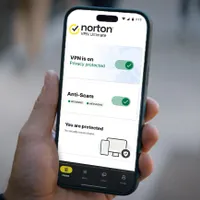
Advantages of using a VPN
There are a ton of use cases for VPNs. Let's take a closer look at some of their biggest advantages, ranging from online privacy all the way through to better gaming performance. Let's get started!
1. Improved online anonymity
The biggest advantage that VPNs offer is much-improved online privacy, protecting both you and your data. They do this by masking your IP address. To do this, your traffic is routed through the VPN server before emerging back onto the land of wind and ghosts that we call the internet. To trackers and websites, your IP address has been replaced by that of the server. As underhanded figures can do a lot of things with your IP, this is a vital part of the privacy puzzle.
It protects your data on the way to the server, too. Your data is encrypted on your machine before being sent to the server, where it is decrypted and sent on its way. This makes it substantially more difficult for your ISP, government, and cybercriminals to track your online activity.
Together, these handy features mean you can go about your day-to-day browsing without worrying about leaving an identifiable trail behind you. You have a right to digital privacy, and a VPN will help you exercise it. The most private VPNs will ensure you stay completely anonymous at every step, too, with strict no-logging policies ensuring that even they don't know about your activity.
The most secure VPNs come with a kill switch, too, that prevents you from accidentally sending data outside of the secure VPN tunnel in case your VPN connection drops. Some providers also offer advanced features such as split tunneling and port forwarding that add additional layers of security and improved compatibility with various services.
2. Stay secure on public Wi-Fi
The free Wi-Fi connections you find in airports, hotels, cafes, and public transport are pretty convenient, especially when you're out and about, but they're notorious hotbeds of cybercriminal activity.
This is because they tend to lack encryption and don’t require a password to access, allowing bad actors to intercept the data you send over the unsecured Wi-Fi (like your banking details if you happen to buy anything) and exploit it to commit identity and/or financial fraud. This is called a man-in-the-middle attack and is a common tactic among cyber crooks.
However, using a VPN on public Wi-Fi will encrypt your data as it passes between your device and the router. If they intercept it, it's scrambled, which means they can't derive any actionable information from it.
3. Unblock streaming services
Streaming platforms like Netflix and Prime Video, among others, offer different content libraries to people in different regions. This comes down to content licenses, and can make for a frustrating browsing experience. In the US and want to watch iPlayer, for example? You're out of luck.
Using one of the best streaming VPNs bypasses these geo-restrictions and, ultimately, helps you get the most out of your subscriptions for your money.
All you need to do is choose a VPN server in the country where your streaming platform of choice is available, hit connect, and then enjoy your movie marathon.
4. Maintain your online freedoms
Unfortunately, digital security and internet freedoms aren't a given everywhere. Oppressive governments in China, Russia, and Turkey impose harsh country-wide internet censorship, blocking access to everyday sites like WhatsApp and Facebook. These countries crack down on these platforms for a number of reasons but, usually, it's to quash anti-government sentiments.
A VPN helps you bypass blocks put in place by your government and use the internet with total freedom. This tends to require a little more discretion when choosing a server, as repressive governments can and have blocked known VPN servers.
If you're serious about getting around VPN bans, I'd recommend checking out a service with obfuscated servers, as some governments have even made it illegal to use a VPN.
5. Beat ISP throttling
Internet service providers (ISPs) can limit your bandwidth if they detect that you're using a lot of it – for streaming, torrenting, or downloading. They do this to try and alleviate the server load but it typically comes at the cost of your online experience, with download speeds sometimes plummeting dramatically, leading to poor stream quality, slower speeds, and worsened mood.
A VPN doesn't disclose what kind of traffic you're sending and receiving, so it avoids bandwidth throttling aimed at things like streaming or torrenting. Plus, if you use one of the fastest VPNs, you can be sure that it won't slow you down, either, with our favourite VPNs offering verified speeds of over 1,500 Mbps if you've got the internet connection to handle them.
6. Get better deals
The price of certain goods and services, like flight tickets and hotel bookings, range massively from country to country – something that deal-savvy shoppers will already be aware of. Typically, folks in lower-income countries with weaker currencies get cheaper rates. If you don't fancy forking over cash unnecessarily, a VPN can help you be a much savvier consumer.
By using a VPN, you can connect to a server in one of these locations to fool the sites you visit into thinking you're really there – and serve up those same awesome deals. If you pick a VPN with a generous server network, you'll be able to shop around and server-hop to your heart's (and wallet's) content. You don't even need to break the bank to do this, either, as some of the best cheap VPNs cost just around couple of dollars per month.
Before you switch servers and start hunting down those deals, make sure that you clear your browser cookies, cache, and browsing history. If you don't, the sites will typically realise what you're up to and serve you the standard prices in your home country.
7. Level up your gaming
If you're into your online games, you can potentially reduce ping and streamline your online experience with a VPN. All you need to do is connect to a server as close to the game server as possible.
The benefits don't end there, though. The best gaming VPNs also help you get around IP bans and stop DDoS (Distributed Denial-of-Service) attacks, swatting, and bandwidth throttling in their tracks.
Word to the wise, though: check that the games you play don't have problems with VPN usage. Some of the most popular titles, including Fortnite and League of Legends, have been known to have issues with players using VPNs.

Are there disadvantages to using a VPN?
VPNs are massively important pieces of kit in today's dodgy digital landscape. However, they're not without their downsides, and it's natural to have concerns if you're new to the tech (or weighing up your options).
For starters, VPNs can negatively impact your internet speeds because they add an extra step to the journey your data takes. As your data leaves your device and heads to the site you're trying to access, it gets routed through the VPN server and encrypted, first. It's an important part of the process, to be sure, but the slight increase in latency can be a bother, though this can be ameliorated somewhat by picking a fast VPN provider.
Next, some apps don't play nicely with a VPN. Take Android Auto, for example. If it detects that you're using an Android VPN, it'll display an error screen, saying that it won't function alongside a VPN. So, if you're trying to play music and check Google Maps in your car while connected to a VPN, you'll need to set up split tunneling to ensure it works properly with Android Auto.
Doing this isn't an ideal solution, however, as it means that you'll be sacrificing your privacy. Snoopers can track your approximate location (and other identifiable details) through Android Auto – and if the app is bypassing VPN encryption, there's nothing to deter these nosy cybercriminals.
Finally, the complaint I hear the most about VPNs always comes down to their price – and I get it. Paying a monthly or yearly fee for a VPN might seem like an abstract waste of money. After all, it's not like you're getting a physical product in return. The good news is that there are awesome cheap VPNs out there, especially for multi-year subscriptions, as well as a handful of trustworthy free VPN services.
However, they are often not as feature-packed as their full-price counterparts, meaning that for the most robust protection, you'll want a premium provider. If you're hoping to save a wad of cash when picking up a provider, it's important to remember that long-term subscriptions (of a year or longer) offer the biggest and best savings. So, while you may need to pay a bigger sum upfront, you'll be saving more in the long run.
FAQs
Is a VPN worth using?
A VPN is well worth using. They're handy tools that encrypt your data and ensure that all your information, and all of your communications, are kept secure. VPNs also help you access international streaming content, sites that might otherwise be blocked at your workplace or school, and keep your P2P file sharing nice and secure.
When should you not use a VPN?
There are a few occasions where you might not want to use a VPN. For instance, if you're using mobile data, it's probably a good idea to keep your VPN switched off, as they can be data hungry, so you could eat through your data allowance without realising it.
Some of your apps might require you to log in from the country you registered your account in – which means you can't be connected to a server elsewhere. In cases like these, split-tunnelling is a good option.
When should I use a VPN on my phone?
It's worth using a VPN on your phone whenever you're connected to the internet – especially if you're going to be relying on unsecure public Wi-Fi hotspots. VPNs encrypt your data, keeping it safe from snoopers, and ensure that you can go about your usual browsing without identifiable information falling into the hands of cybercriminals.
We test and review VPN services in the context of legal recreational uses. For example: 1. Accessing a service from another country (subject to the terms and conditions of that service). 2. Protecting your online security and strengthening your online privacy when abroad. We do not support or condone the illegal or malicious use of VPN services. Consuming pirated content that is paid-for is neither endorsed nor approved by Future Publishing.