We’ve long known that sleeping on your side has excellent health benefits, but did you know that it can also help reduce lower back pain, reduce triggers for 3 a.m. wake-ups, and increase the amount of energy you have in the mornings?
According to Dr. Sherry McAllister, President of the Foundation for Chiropractic Progress, sleeping on your side “puts less pressure on the lower back”. So your chances of waking up through the night because you’re in pain, or waking up feeling sore and stiff, are lower in this sleep position.
And what about those 3 a.m. wake-ups? Many of us eat too close to bedtime, and blood sugar fluctuations caused by large nighttime meals, especially carb-heavy foods, could be why you're waking up at 3 a.m.. Side sleeping boosts digestion and reduces big spikes and drops in blood sugar levels, so you have a high chance of sleeping through the night. Here's what experts want you to know...
Key takeaways
- Sleeping on your side puts less pressure on your lower back, reducing your chances of waking up in the night due to pain.
- Side sleeping also aids digestion, which in turn can lead to less blood sugar fluctuations that often trigger 3 a.m. wake-ups.
- This gold standard sleeping position also promotes better airflow, so you’re less prone to snoring and other breathing problems during sleep.
- Finally, as sleeping on your side leads to more restful sleep, you’ll wake up with more energy every morning.
How side sleeping eases lower back pain, reduces 3 a.m. wake-ups, and boosts energy
1. Healthy spine alignment reduces pain triggers
According to chiropractor Dr. Sherry McAllister, President of the Foundation for Chiropractic Progress, one of the top benefits of side sleeping is its help in preventing lower back pain and encouraging natural spinal alignment.
"For properly supported side sleepers, this position can assist in anatomical support that puts less pressure on the lower back," explains Dr. McAllister.
A mattress that supports your spine while sleeping is also a good suggestion, and many of the top-rated options in our best mattress of the year guide provide ample lumbar support. You can also buy specialist mattresses for back pain and joint conditions.

2. Better airflow reduces snoring and other disturbances
Dr McAllister says the reduced pressure on the lower back when side sleeping (especially on sleeping on the left side) can allow more open airway flows for deeper breathing and ensuring circulation is optimized.
According to chartered physiotherapist Sammy Margo, a sleep expert at Dreams, this promotion of better breathing can stop those pesky nighttime awakenings and leave you feeling less groggy and more energized when you wake up.
"Better breathing may help reduce issues like snoring, sleep apnea, or sleep disruption during the night, helping you feel more refreshed in the morning," says Margo, the founder of The Good Sleep Expert.
3. It aids digestion, which can help reduce 3 a.m. wake-ups

Side sleeping can also benefit digestion, easing discomfort for better sleep quality. However, better digestion is linked to sleeping on your left side in particular.
In fact, studies have shown that glymphatic system (which helps clear metabolic waste from the brain during deep sleep) works much better when you sleep on your left side.
This means less fragmented sleep and nighttime disturbances from acid reflux, indigestion issues, and breathing disorders such as sleep apnea.
4. Restful sleep means you have more energy in the morning

Ever found yourself tossing and turning instead of sleeping? According to Dr McAllister, this could have something to do with your sleep position.
"Side sleeping is often found to reduce turning over in your sleep creating a more restful and higher quality sleep experience," says the sleep posture expert.
"A better night sleep allows the body to replenish all the chemicals necessary for the next day, improving your health and enables joints to recover and aiding in longevity," she adds.
Who would benefit the most from side sleeping?
We don't usually choose our sleep position, and our preference is usually down to how comfortable we feel. However, there are some groups who may benefit from giving side sleeping a try.
"Ultimately, everyone is different, so it’s worth trying different positions and sticking with the one that allows you to relax fully and stay asleep throughout the night," says Margo.
1. Those with lower back pain
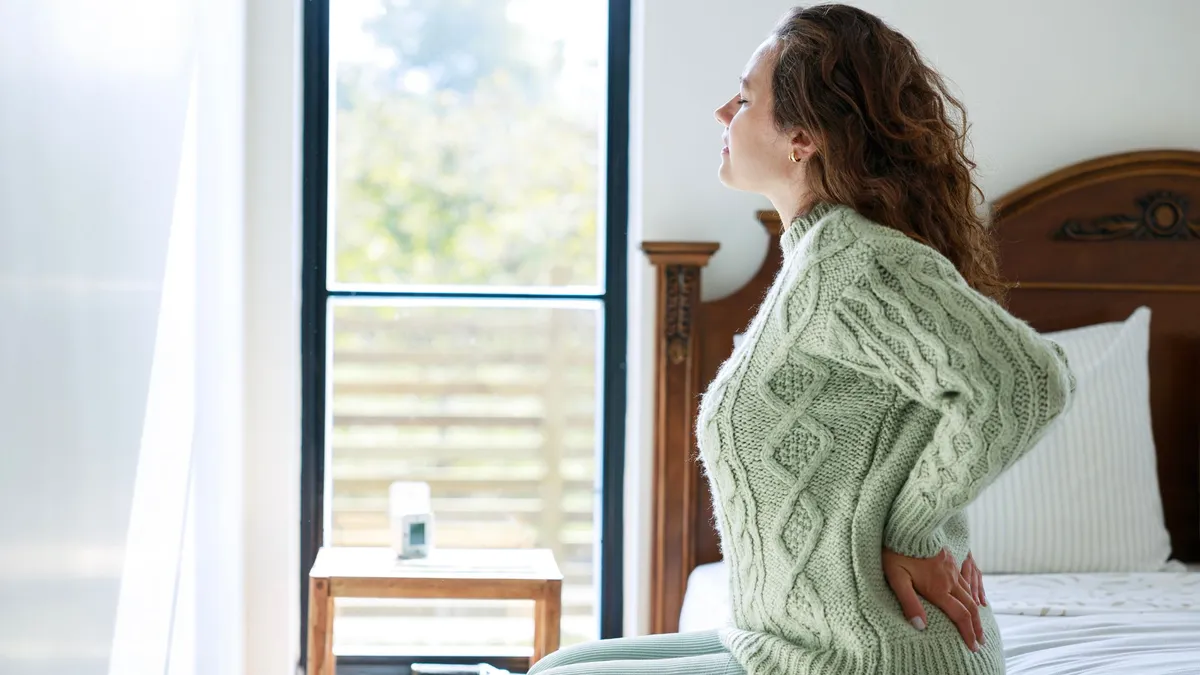
Waking up with lower back pain could mean that it's time to replace your mattress with a bed that offers more lumbar support, like ones you'll find in our guide to the best mattresses for back pain. But Margo says it could also mean that it's time to switch to side sleeping.
"Side sleeping can be particularly beneficial for people who experience lower back discomfort, as the position supports spinal alignment," says the physiotherapist.
2. People with breathing issues during sleep

Dr. McAllister says that people whose breathing becomes compromised when back sleeping should try side sleeping.
"Examples include those that suffer with sleep apnea and snoring," she says.
Margo agrees. "Side sleeping can be particularly beneficial for people who experience snoring and sleep apnea as the position may help to keep the airways more open," the posture expert explains.
2. Pregnant people

It's not just those with sleep disorders who can benefit from side sleeping; expectant parents can improve their sleep in this sleep position, too.
"Side sleeping is often recommended during pregnancy as it maximises blood flow to vital organs as well as ensuring the baby receives all the right nutrients and sufficient oxygen," explains Margo.
How to sleep on your side

While side sleeping is one of the healthiest sleep positions, there are actually different types of side sleepers — from the comforting fetal position to the classic hands-under-head "prayer" position.
Dr. McAllister says that side sleepers can boost their sleep with the help of an extra pillow, as holding an extra pillow and placing another pillow between your knees can help maintain healthy spine alignment
"To side sleep better, hug a pillow and place a small pillow between the knees if sleeping on your side," she advises.
Meanwhile, Margo suggests investing in one of the best pillows or side sleepers to make side sleeping feel more stable and comfortable.
"Try and use supportive pillows such as the Sealy Side Sleeper Pillow and the Dreams Extra Firm Support Pillow, which may make the position feel more stable and comfortable," says the sleep posture expert.
"Over time, these simple adjustments may help your body get used to side sleeping more naturally," adds Margo.