Cozy season is here so it's time to shut the windows and cuddle up. But unless you want to spend the next few weeks itching and sneezing from an influx of dust mites, you need to clean your mattress before you touch the thermosts.
"Mites are ubiquitous so all beds are likely to have a degree of living mites," says Professor George Du Toit, Co-Founding Director and Professor of Paediatric Allergy at the Allergy Centre of Excellence (ACE). "It is important for those with dust mite allergy to try to reduce this allergenic load as best possible.”
Dust mites thrive in the dark of your mattress, where they have access to all your yummy body oils and shed skin cells. And in fall, trapped moisture and warm rooms turn your home into mite paradise. The best way to reduce the problem is to remove the food source (the dust in your bed). To do so, you need to follow the 2-inch mattress rule — here's how.
The seasonal dust mite surge doesn't hit everyone equally; if you live in a state with an even temperature year-round, you're unlikely to experience the same uptick. However, dust mites are found almost everywhere humans are, so regardless of the weather, we recommend taking care of your mattress.
Why we're seeing a surge in dust mites right now

“Autumn marks the peak for dust mite proliferation and symptom flares for two key reasons," explains Dr. Du Toit.
First, the dust mite population, which has spent the summer growing, is now dying off. That decline does mean there are fewer dust mites around but before they go, they leave a nasty surprise.
"As autumn arrives and humidity fluctuates, many mites die off, releasing massive loads of dried fecal allergen particles into the indoor air just as people spend more time indoors with windows closed," says Dr. Du Toit.
But before they start dying, there's one last hurrah for the dust mites, caused by our response to the colder weather.
"As homes turn on central heating, indoor air dries out," says Dr. Du Tiot. "While this might sound unfavorable, the rapid temperature drop outdoors combined with sealed windows initially traps high indoor humidity accumulated over summer, creating an optimal breeding surge."
This surge is most prominent in the UK and across the northern and midwest US States. However, if you're planning to close your windows to keep out the coming chill, you are vulnerable to the same issue.
Of course, we don't recommend keeping your windows open and your heating off all winter, even if it will clear those pesky dust mites. But before your hand reaches for the thermostat, take this one step.

Dr. George Du Toit is a globally-renowned allergy expert and a Professor of Paediatric Allergy at King's College London / Guy's & St Thomas' NHS Foundation Trust and Co-Director of the Allergy Centre of Excellence (ACE) in London.
The 2-inch mattress rule
The surface of your mattress is grosser than you realize. We lose roughly 500 million skin flakes a day and a lot of them end up in your bed, alongside sweat, oils, hair and crumbs.
The 2-inch mattress rule won't clear live colonies of dust mites. For that, you need to either steam clean or wash bedding at a high heat (140°F/60°C) or use a specialized UV vacuum.
Regularly vacuuming your mattress helps remove the surface issues. However, a light vacuum won't tackle the embedded dust and allergens that have settled into the layers of your mattress.
That's where the 2-inch rule comes in. By combing firm, downward pressure from your vacuum with flattening the surface of the bed, you can target the dust and skin stuck deeper in the layers. This removes the dust mites food source, so they're less inclined to settle in your bed.
This also clears dust mite fecal matter, which is the primary cause of your allergic reaction. Yep, when you're coughing and sneezing, it's because of dust mite poop.
How to use the 2-inch mattress rule
Before you start: check your vacuum
Your vacuum must have a sealed HEPA filter for this method to be effective. Without a HEPA filter, compressing the mattress can send micro-allergens through the exhaust motor and back into your bedroom.
Not happy with your current vacuum? Check out our best vacuum cleaner guide for expert approved picks.

1. Prepare the mattress
To begin, remove all bedding, pillows and blankets from your mattress. You want a completely clean surface.
This is a good time to wash your bedding. Dr. Du Toit recommends temperatures of 60°C / 140°F or higher, to effectively kill dust mites. (Always check the care labels to ensure your bedding can handle high temperatures)
Open the window, to allow air to circulate and dust to escape.
For a thorough clean, sprinkle baking soda over the mattress and leave for 30-60 minutes. The powder will absorb moisture and any smells, for an overall cleaner finish.
2. Compress and vacuum
For this technique to work, you need to use your vacuum's narrow upholstery tool or brush tool.
Press your hand into the surface of the mattress until it's compressed by roughly two inches. Place the nozzle of the tool into the dipped area and move in slow, overlapping circles or tight horizontal lines.

Cover the entire surface of the mattress using the same compressing and vacuuming technique.
The weight of compression creates a temporary seal between the mattress surface and the vacuum nozzle. This allows you to draw out the dust and debris that's embedded within the mattress.
Admittedly this is a time consuming task (it's quite the arm workout). We've found it takes around 20-30 minutes to cover a US queen or UK king — so factor this one into your twice-yearly mattress deep cleaning schedule.
The benefits of the 2-inch mattress vacuum rule
There are three big benefits to the 2-inch mattress rule and the first one we've covered: it reduces allergens. Our bedding expert found she woke up with less morning congestion after using this technique.
The other obvious benefit is that you can enjoy a cleaner sleep surface. You know how inviting the bed feels after changing your sheets? Imagine that, turned up to 11.
Finally, it can extend the life of your mattress. We recommend replacing your mattress roughly every 7-10 years but regular cleaning can help you maximize the lifespan by protecting the materials.

Why dust mites in your mattress are bad news
“Humans spend many hours in their bedrooms," explains Dr. Du Toit. "Beds provide an ideal microclimate for dust mites: abundant food (shed skin scales), stable warmth, and high humidity generated by human sweat and respiration."
Dust mites don't bite (unlike bed bugs), opting instead to nibble passively at our dead skin cells. However, the presence of dust mites can still have a negative impact on your health.
"Inhaling airborne dust mite allergens (primarily their potent digestive enzymes found in fecal waste) can trigger chronic allergic rhinitis and conjunctivitis and exacerbate asthma symptoms,“ says Du Toit.
How to protect your mattress from dust mites
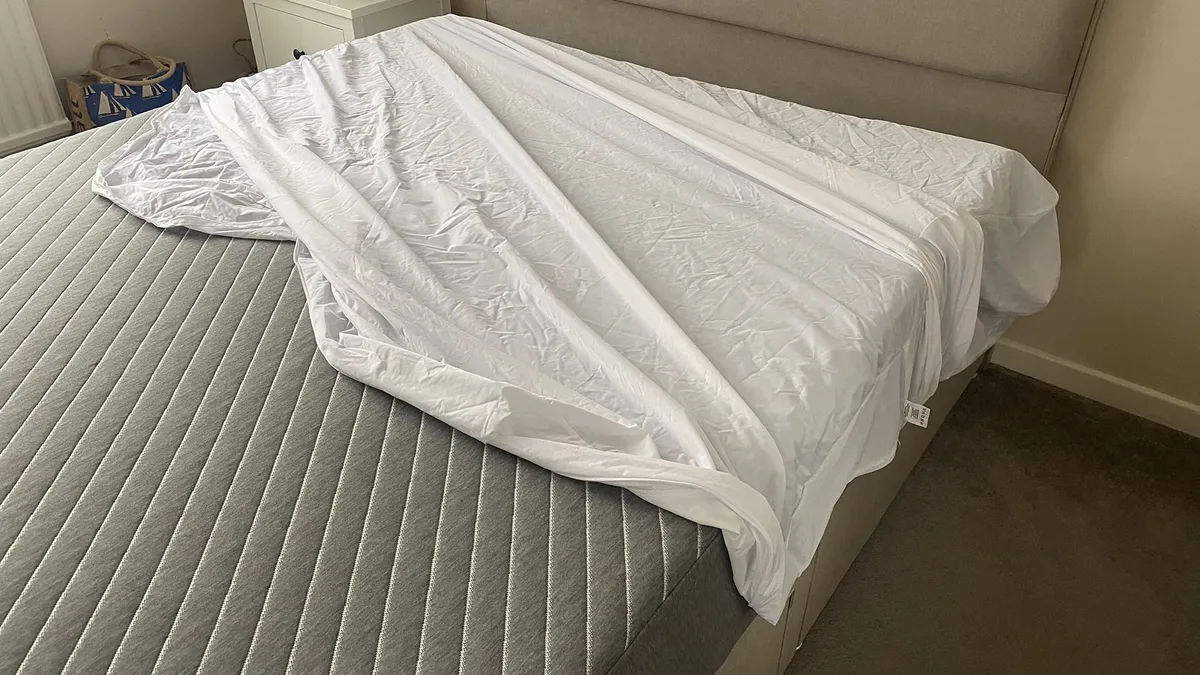
As Dr. Du Toit points out, it's difficult to stop dust mites altogether, as your bed is simply too appealing. However, by reducing their food source you can cut down the number of mites calling your mattress home.
The best way to do this is with a mattress protector or encasement. These bedding must-haves act as a barrier between you and the mattress. You can find our favorites in our best mattress protector guide.
The benefit of a mattress protector in the fight against in dust mites is two fold. First, your shed skin cells are less likely to become embedded in the mattress. Second, the allergens have less access to you.
- Use allergen-proof encasements: “Enclose mattresses, duvets, and pillows in tightly woven, zip-up barrier covers. There are many such products on the market, but be sure to use those endorsed by allergy societies such as Allergy UK.” (Or the Asthma and Allergy Foundation of America.)
- Wash bedding weekly at 60°C: A high heat removes allergens and kills mites, but always check the care instructions or you might destroy the material.
- Reduce indoor humidity: “Keep relative humidity below 50% using dehumidifiers, extractor fans, and adequate ventilation." Our best dehumidifier guide has an option for every budget.
- Get rid of the bedroom rug: This is a haven for dust and allergens.
Follow Tom's Guide on Google News and add us as a preferred source to get our up-to-date news, analysis, and reviews in your feeds.