The hottest summer on record has turned my pristine white sheets into a yellowed mess. Even increasing my laundry schedule hasn't been able to banish yellow marks from my white duvet cover.
My first instinct was to grab the chlorine bleach. This strong chemical would effectively remove yellow sweat stains and turn my white sheets sparkling again. However, chlorine bleach is harsh on fabrics as well as stains, and overuse risks wearing holes in your duvet cover. That's even worse than stains.
The solution is a simple soak using a gentler chemical that helps lift stains without hurting the fabric. It returns your duvet cover to the bright white you enjoyed at the start of the summer.
- Too yellow to save? Check out our guide to the best bed sheets for our top tested picks.
Why you should avoid chlorine bleach in your laundry

Yes, chlorine bleach will strip the stains from your sheets. It contains sodium hypochlorite which causes a process known as oxidation. This changes the chemical composition of the stain to make it easier to wash away. It's an effective, albeit harsh, method.
But the stain isn't the only thing chlorine bleach removes. It breaks down dyes (so shouldn't be used on colored fabrics) and over time it can weaken fibers. If you regularly use chlorine bleach in your laundry routine, you might find your bedding begins to deteriorate, leading to holes.
Chlorine beach is also harsh against the skin. We advise always wearing gloves when handling chlorine bleach. And work in a well-ventilated area, as it can irritate the airways as well.
- Read more: My freshly washed bed sheets smelled sour — until an expert pointed out my drying mistake
How to remove yellow sweat stains without chlorine bleach
While oxygen bleach is gentler on the skin than chlorine bleach, we still recommend using gloves while handling it, particularly if you have sensitive skin. We also advice using it in a well ventilated area.
Clean yellow bed sheets with an oxygen bleach soak

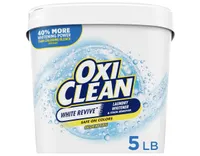
When yellow stains are ruining your once-pristine bed sheets, use an oxygen bleach soak. While chlorine bleach relies on sodium hypochlorite to break down stains, oxygen bleach releases oxygen molecules to lift and remove unwanted marks.
It's a gentler oxidation process that leaves your sheets sparkling white without the wear and tear.
To begin, mix a scoop of oxygen bleach into a bath of lukewarm water (Avoid hot water — we'll explain why below). Supercharge your soak with a squirt of dish soap, to help lift any grease stains.
Immerse the duvet cover in the water and mix well. Leave to soak for up to six hours, stirring occasionally.
At the end of the soak, use a soft brush to scrub at any particularly stubborn yellow stains. Rinse thoroughly with cool water and squeeze out excess water.
Finish with a warm cycle in your washing machine

While hot water is best for removing stains caused by dirt or grease, when it comes to yellow sweat stains, it's best to use a cooler wash cycle.
Heat can cause the proteins in sweat to become set in the fabric, making those yellow stains even harder to remove. Cold (or lukewarm) water helps flush out the stain, for sparkling white sheets.
Once you've finished your initial, cooler, wash cycle, inspect your sheets and duvet cover for lingering marks. If you're happy with the white finish, follow-up with a hot cycle. Hot water (140°F / 60°C) is best for removing dust mites and allergens, but always check the care label for the right temperature.
White sheets are a hotel staple for good reason; they look crisp and inviting. And with this wash routine, you can enjoy those sparkling whites for longer.

Follow Tom's Guide on Google News and add us as a preferred source to get our up-to-date news, analysis, and reviews in your feeds.