

To me, there's nothing better than getting into freshly washed bed sheets, but I recently discovered that my newly cleaned bedding was getting dirty again after just one night.
Why? According to infection prevention expert Dr. Shanina C. Knighton, PhD, RN, CIC, bringing these three key everyday items into bed at night can turn freshly washed sheets into a hotbed of bacteria. allergens, and germs.
So if you want cleaner bed sheets for longer, here are the three specific items Dr. Knighton keeps out of her bed – and would advise you to, too...
What an infection expert bans from her bedroom for cleaner sheets
To help keep your sheets cleaner for longer, Dr. Knighton recommends you keep these three thinks far away from your bed.
1. Your phone
Whether it's for a sneaky pre-bed scroll or so you can check your messages first thing, many of us keep our phone close to hand at bedtime. But Dr. Knighton says that it's a magnet for things that have no place in the bedroom.
"People bring a filthy phone to bed, the same phone that has been on restaurant tables, in bathrooms, and in their hands all day, and they set it on the pillow or the sheets," explains Dr. Knighton. "A smartphone surface is one of the dirtiest things most people own, and they bring it right up to where they sleep."

Leaving your smartphone out of the bedroom not only locks out germs, but also keeps you away from numerous sleep disruptors. Light, sound, and social media temptation are all banished, alongside any nasties clinging to the surface.
2. Outside clothes
After a long day sometimes all you want to do is collapse directly onto the bed. But Dr. Knighton warns you should never let your outside clothes into your sleep space.
"I do not sit on the bed in [outside clothes], I do not sleep in them, and I do not sit them on or near the bed," she says.
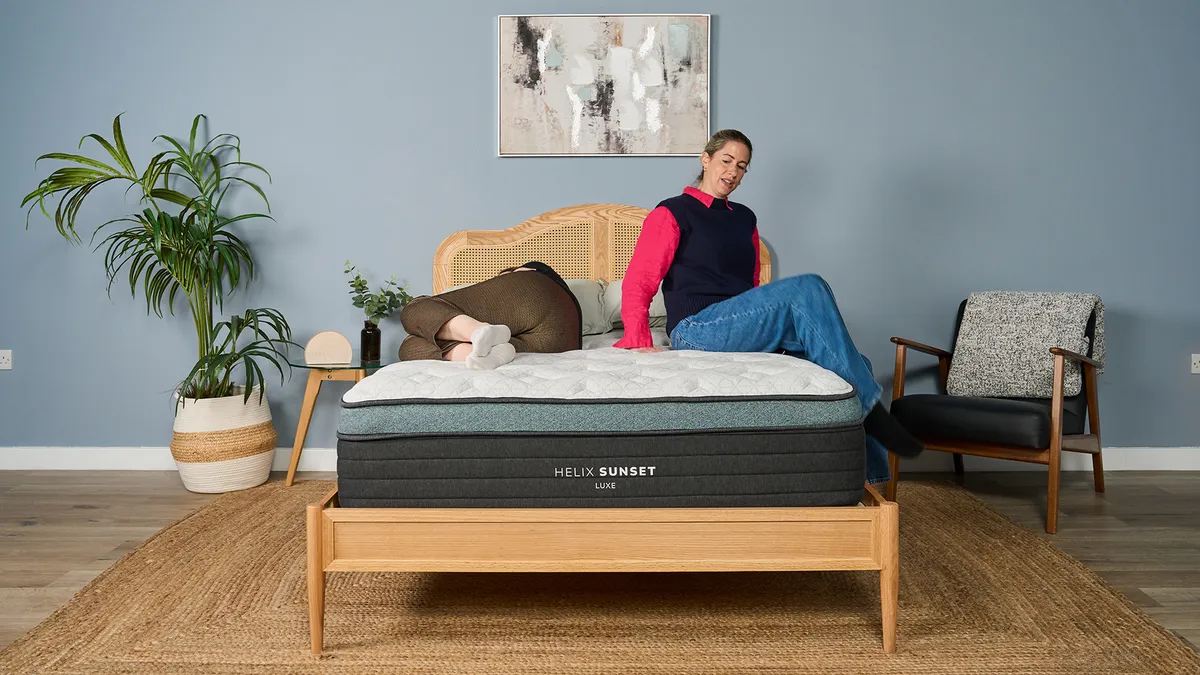
Like your phone, your outside clothes pick up dust and grime throughout the day. And we're not just talking about the obvious coffee spills and dirty cuffs. Sweat, body oils, and other air pollutions can all get trapped in the fabrics before rubbing onto your bed.
"Whatever my outdoor clothes and my phone touched during the day stays out of the space where I sleep," says Dr. Knighton.
3. Bare feet
"Slippers are not optional in my house and serve a purpose beyond just comfort," says Dr. Knighton. "This is one people do not think about. If you allow outside shoes indoors, or you have pets, the floor is carrying everything that came in from outside."
The same goes for anyone who wears socks around the house and then sits on the bed in those exact same socks.
"Walking across the house barefoot and then climbing into bed means you have just dragged all of that up onto your sheets with your own feet," explains Dr. Knighton. "A pair of slippers between the floor and the bed breaks that chain."

How little habits contribute to a dirty bed — and why it matters
Your pillows, comforter and mattress are already the perfect breeding ground for bacteria and fungi, as Dr. Knighton previously explained to Tom's Guide.
Now add on an explosion of grime and allergens — that's what happens when you bring your phone, outside clothes, and bare feet into the bedroom.
Dr. Knighton explains that for most, this dirt build-up can cause "odor, breakouts, skin irritation, or allergy and asthma flares." But if you have broken skin or a weakened immune system, the hours of close contact with dirty bedding can lead to more serious problems, including a "real infection risk for the immunocompromised."
How often should you wash your bed sheets?
Dr. Knighton recommends washing your bed sheets at least once a week in summer. This helps prevent a build up of dirt, grime and moisture. Heavier items, such as pillows, comforters and duvets should be washed every couple of months.
She recommends washing at a temperature of 130°F/54°C at least, turning it up to 140°F/60°C if you're worried about dust mites. However, always check the care instructions on your bedding first, as some materials can't handle high temperatures.

Follow Tom's Guide on Google News and add us as a preferred source to get our up-to-date news, analysis, and reviews in your feeds.