




Cold and flu season is here, and as well as causing us to feel lethargic and bunged-up, having a blocked nose can play havoc with sleep, triggering congested sinuses that cause discomfort and wake us up repeatedly, making it tough to even drift off in the first place.
A disturbed night’s sleep can also make recovering from a cold more challenging, since you feel exhausted rather than rested. But the good news is, there are steps you can take to help you clear a blocked nose before bed and stay asleep.
We talked to Dr Balghari about why sleeping is so difficult with a blocked nose, tips on how to cope, and the best sleeping position when you have a cold so you can make it through the winter well-rested.
How to sleep with a blocked nose – 5 expert tips
While it may feel impossible, Dr Balghari says there are some tried and tested ways of sleeping with a blocked nose.
1. Elevate your head
Before going to sleep on your side, raising your head gently on a pillow can help to reduce nasal congestion by allowing the mucus build-up in the sinuses to drain more easily.
It also helps to prevent mucus pooling during the night which can trigger sinus pain, along with reducing the pressure in your head that comes with a bad cold.

2. Use a saline nasal spray
Saline nasal sprays can help to moisturise your nasal passages and thin mucus to help breathing feel easier and make your blocked nose less likely to wake you up during the night.
Using this just before bed gives you the best chance of clearing your congestion so you can fall asleep quickly.
3. Take decongestants
Over-the-counter decongestants containing pseudoephedrine can help to shrink swollen blood vessels in your nasal passages, making it easier to breathe.
However, it's important only to use decongestants when you really need them - excessive or prolonged use can lead to rebound congestion, a condition known as rhinitis medicamentosa, which itself causes inflammation of the nasal passages
4. Stay hydrated
Drinking plenty of fluids can help to thin mucus and keep your nasal passages moist during the night. Keep a glass of water beside the bed to sip if you wake up.
Staying hydrated will also help you recover from your cold as it will allow your immune system to work properly.

5. Avoid irritants
Try to avoid inhaling irritants like smoke, dust, or strong odours which can inflame the nasal passages before bed.
Even changing bed sheets or linen can encourage dust particles to circulate in the air, so avoid doing this at bedtime. You should also vacuum your mattress and bedroom to reduce the amount of allergens around you when you sleep.
How to clear a blocked nose before bed
Preparation is key when it comes to getting a restful night’s sleep with a stuffy nose, find out what you can do before bedtime to help.
Take a hot bath or shower
A hot bath or shower can loosen the mucus in your sinuses, allowing it to drain more easily. Shut the bathroom door while you do so to help the steam gathering in the air to clear your sinuses quickly.
This method will also help you fall asleep. When you move from a warm bathroom to a colder bedroom, your core body temperature will drop. This is an indicator to your body that you’re ready for sleep.
Cool down
It can be tempted to crank up the central heating if you’re sick, but actually, too much dry heat in your bedroom will cause your nasal passages to dry out too, so avoid doing this and keep your room temperature cool.
Avoid caffeine or alcohol
These can both cause dryness inside your nasal passages and sinuses, which, if they are already blocked, can interfere with sleep and worsen nasal congestion.
Alcohol can also cause airways in the throat to collapse, inducing snoring and worsening the quality of your sleep.
Why is it so difficult to sleep with a blocked nose?
Medical experts agree, it’s best to breathe through our noses for a good night’s sleep. So when the nasal passages are blocked by mucus or inflammation caused by a cold, being unable to clear that congestion can make sleeping feel impossible.
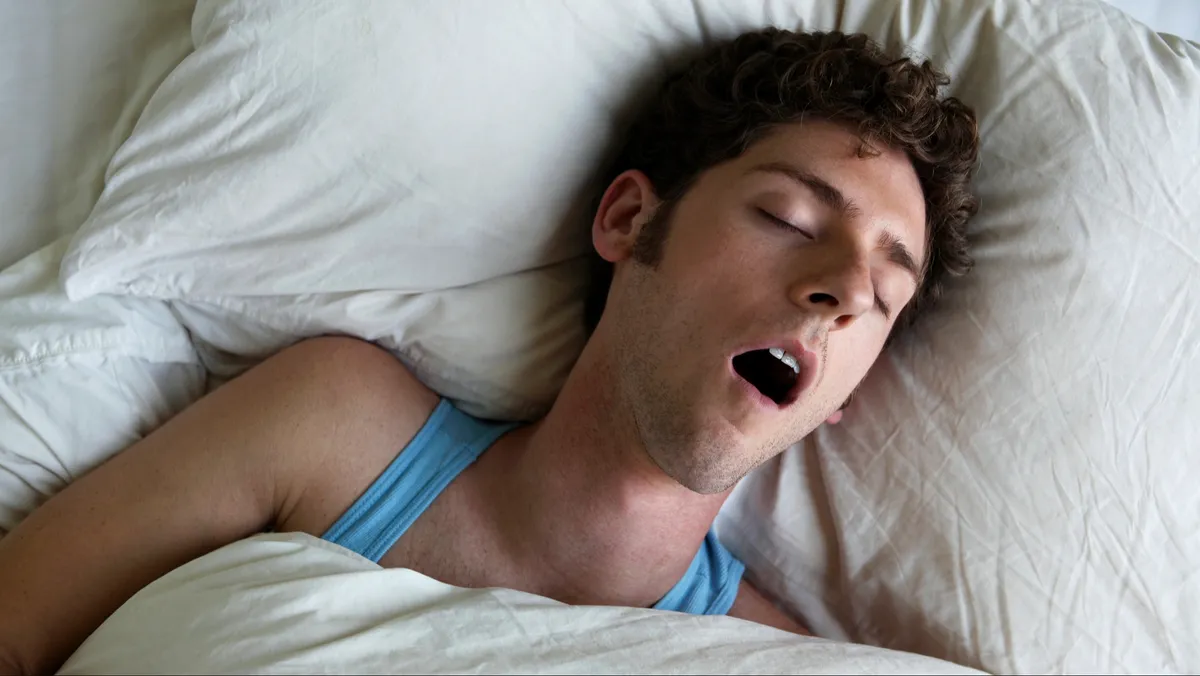
“Nasal breathing helps filter and warm the air you inhale, promoting better sleep quality and reducing the risk of conditions like sleep apnea,” explains Dr Balghari, “Since your nasal passages naturally humidify the air you breathe too, this helps to prevent dry mouth and throat irritation.”
Mouth breathing can also lead to snoring, which further disrupts your sleep. “In some cases, a blocked nose can contribute to sleep apnea, a condition where breathing repeatedly stops and starts during sleep.
This can cause you to wake up frequently throughout the night, leading to poor sleep quality and daytime fatigue too,” he continues. If you’re concerned about snoring or sleep apnea, always seek medical advice.
What’s the best sleep position for a blocked nose?
It can be tempting to sleep on your back or propped upright to help clear a stuffy nose, in the hope this might help excess mucus drain away, but actually, doctors advise side-sleeping instead.
“Sleeping on your side can help to alleviate nasal congestion,” explains Dr Balghari, “This position can help to keep your nasal passages open and reduce the pooling of mucus in your nasal passages, which can make it difficult to breathe.”
- Read more: Our top-rated choices for this year's best mattress for all sleepers

