Your bedroom is meant to be a sanctuary for rest, but it’s harboring layers of dust. Those thousands of skin cells we shed every hour don’t disappear. They leach onto our bedding and soft furnishings, interrupting even the calmest of sleep zones.
While a pristine space is an aesthetic goal, maintaining a dust-free bedroom is more crucial to getting a good night’s sleep. I asked cleaning experts to uncover where all the dust comes from, which common problems are making the dust issue worse and expert-backed strategies to restore the equilibrium.
Identify the sources

Before reaching for a duster or one of the best vacuums, it’s best to start with the basics. Then, once you understand what’s creating the dust, you can go some way to reducing it.
One of the main causes of bedroom dust is our own skin. Adults shed 30,000 to 40,000 skin cells per hour, according to David Puyandayev, founder at BiohackBeast. “Other less obvious contributors are seasonal pollen, fibers shedding from bedding and clothes, and particles entering or recirculating through HVAC systems,” he says.
But it's not just about where the dust comes from, but how it is gathered. For instance, the type of flooring you have will affect how much dust accumulates.
“Carpeted bedrooms hold much more dust than hard floor rooms. Carpet traps particles that get released back into the air every time someone walks across the room,” explains Terry Klymkiv, owner of Alpha Cleaning Company.
And he adds that the same is true for soft furnishings, “Upholstered furniture, fabric curtains and throw pillows are constant dust collectors that most people overlook.”
What’s more, the more fabrics you have in your bedroom, the greater the opportunity for dust to settle.
It’s not just the dust in the bedroom that we need to control; it creeps in from outside too. Leaving windows or doors open, even if you have a screen, lets dirt and pollen drift in. Kyle Koppenheffer, founder of Brilliant Cleans, says if you notice yellow-looking dust, it’s very likely pollen.
Bedroom dust magnets to avoid

“Fabric curtains and upholstered furniture are the biggest dust collectors in any bedroom,” says Klymkiv.
As an alternative, he recommends flat blinds and leather or vinyl upholstery, which are much easier to keep dust-free.
He also says to be aware of other dust collectors, including horizontal surfaces, picture frames and open bookshelves, as they are often skipped during the cleaning.
Whatever you do, Ashley Torrees, cleaning expert at Karen’s Green Maids, says don’t store cardboard boxes under your bed. “Cardboard degrades to dust naturally and creates problems for you when trying to clean the floors underneath. Instead, use plastic storage containers with lids or leave it completely empty," she advises.
How often should you clean a bedroom?

You don’t have to do a deep clean every time you clean your bedroom — certain tasks should be planned on a weekly, monthly and six-monthly basis. Here, Torres suggests a bedroom cleaning timeline:
Weekly: Vacuum the entire floor, including under the bed and wipe down all nightstands, dresser tops and headboards with a damp cloth.
Monthly: Concentrate on your baseboards, vents, ceiling fan blades, the tops of picture frames and moldings, lampshades and behind headboards.
Twice a year: Clean your curtains and blinds and the buildup of dust on closet floors.
How often should you wash your bedding?

One of the main areas to consider is how often you wash your bedding. “For anything that is in direct contact with your body, once a week is a sensible rule,” says Letitia Welsh, co-founder at Flaxfield Linen.
“We tend to think of sheets as part of the furniture, when in practice they are much closer to clothing. You spend eight hours a night wrapped in them, and during that time they are absorbing perspiration, skin cells, facial oils, hair products and whatever you have put on your skin before bed.
“If you would not wear the same T-shirt for two weeks, it is worth asking why you are happy to sleep on the same pillowcase for that long.”
And she adds that your pillowcases need to be changed more frequently. “If you use facial oils or creams, sleep with damp hair or tend to run hot at night, changing them twice a week is perfectly reasonable and takes almost no effort,” she adds.
Mattress protectors can generally be washed monthly, with pillows and quilt inserts only needing laundering a few times a year.
Getting the temperature right
According to Dr. John McKeon, MD and CEO at Allergy Standards Ltd, your bedding needs a regular hot wash at no lower than 130°F/55°C. “That’s the temperature known to kill dust mites,” he says.
The best way to remove dust

One of the biggest errors when removing dust is dry dusting, Klymkiv explains, “Dry dusting with a feather duster just moves dust from one area to another.”
Instead, he suggests using a damp microfiber cloth, as it traps dust rather than moving it elsewhere. “Work top to bottom, so anything that falls gets captured when you reach the lower level,” he advises, and adds, “Always finish with vacuuming or mopping the floor so you catch whatever settled on the floor during the cleaning.”
While the cleaning experts recommend using a damp microfiber cloth, I'm wondering whether there’s a place for polish? According to Torres, it’s best avoided. “These products create a slippery surface that dust clings to worse than to a completely bare surface,” she says.
There may also be some awkward tight spots in your bedroom where an electric air duster will come in handy, but do bear in mind that this gadget won’t get rid of dust; it will simply redistribute it around the room.
Top tip when cleaning a ceiling fan
When cleaning a ceiling fan, Torres suggests placing an old pillowcase over each blade and then pulling it away from you. This prevents the dust from landing on your bed, or whatever lies below the fan.
Should pets be allowed in a bedroom?

“If dust in your bedroom is your major concern, allowing dogs [or cats] to sleep on your bed will work against you,” says Torres.
“Dogs shed dander and dirt from their paws create additional debris that can accumulate in one room,” she adds.
However, if you do decide to allow furry friends into your bedroom, she suggests placing a washable throw under where the animal sleeps, and washing it every week.
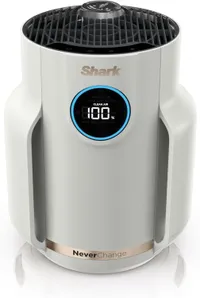
Will an air purifier help?

There is a place for air purifiers in bedrooms, as long as you understand how they work.
“A properly sized air purifier reduces airborne dust, though remember it cannot remove the dust that has already settled on surfaces,” advises McKeon. “Look for a model that has been independently tested and certified, and size it to the room using its Clean Air Delivery Rate (CADR).
Then, once in use, don’t forget to change the filters; otherwise you’ll be circulating dusty air back out.

Follow Tom's Guide on Google News and add us as a preferred source to get our up-to-date news, analysis, and reviews in your feeds.
More from Tom's Guide
- How to reduce dust in your home — 7 best tips for spring cleaning this month
- This harmless cleaning habit actually makes dust levels worse in spring
- 7 places that dust mites are breeding in your home