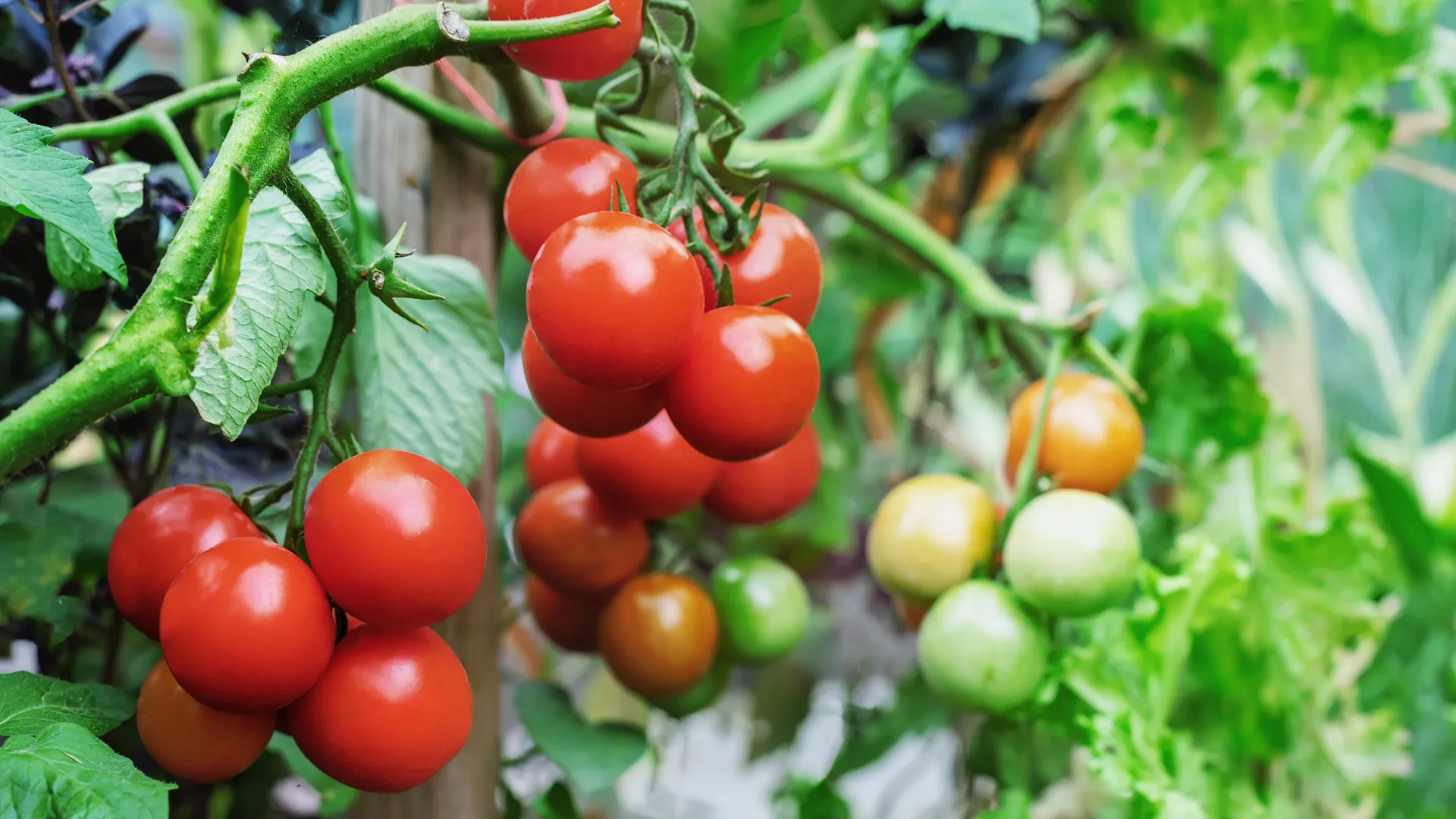
I’ve long known that basil makes an excellent companion plant to enhance tomato growth. And I always grow this sweet-smelling herb beside my tomato plants to improve my harvest.
However, I’ve recently discovered that there’s another culinary herb that works equally as well — if not better — and it just so happens to be my favorite herb of all.
Companion planting: Friends with benefits

Basil is the perfect companion to eat alongside freshly sliced tomatoes finished with a drizzle of olive oil. But aside from basil’s culinary benefits, it’s also an excellent companion plant, which is why it's often grown with tomatoes.
By pairing tomatoes with the right plants, you can create an environment that supports one another. Some companion plants repel pests, others attract beneficial insects, and some will even improve the flavor of your tomatoes. It’s a natural approach that just makes sense.
When planted with tomatoes, basil’s scent helps to deter pests, like whiteflies and aphids, which love to feast on these tasty fruits. This year I’ve planted my tomatoes in pots and placed some basil nearby to repel pests.
However, basil isn’t the only herb that will keep my tomatoes healthy. And it just so happens that I’ve got another companion plant close by too.
It turns out that thyme, my favorite fragrant herb, is also one of the best companion plants for tomatoes.
Tomatoes and thyme
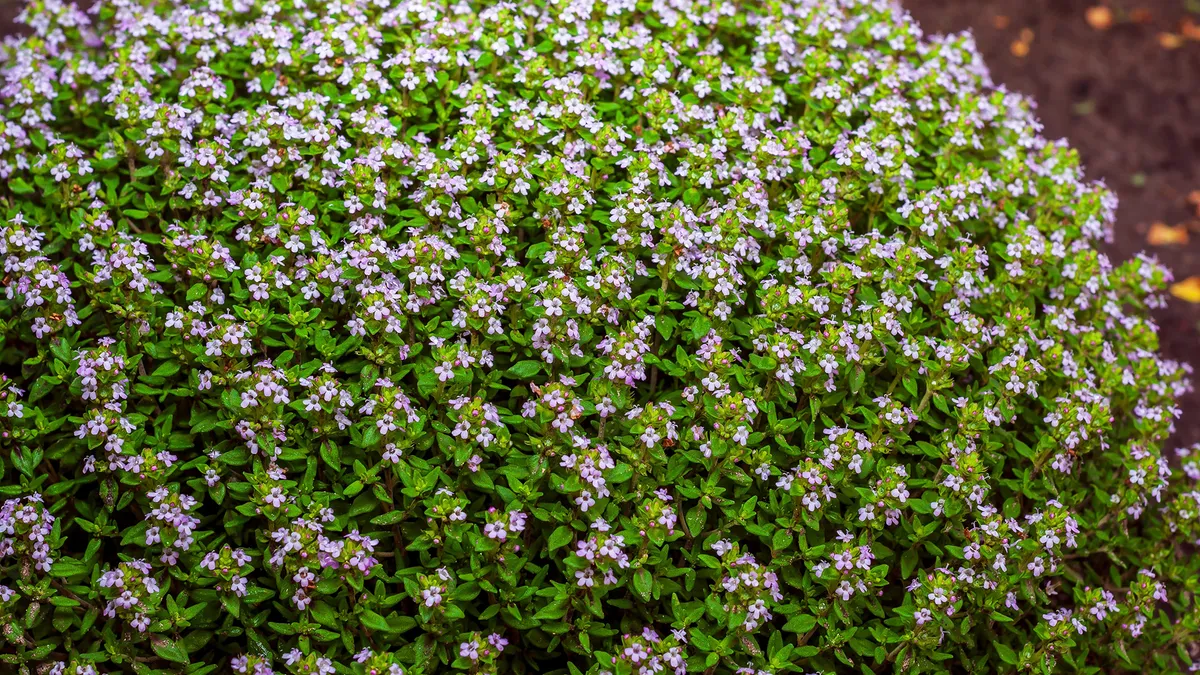
Thyme takes on quite a different appearance from basil. It's a low-growing herbaceous plant that provides ground cover and suppresses weeds. Its leaves are much smaller than basil's, but it has an equally attractive scent, making it appealing to some yet repulsive to others.
While thyme’s fragrant essential oil attracts beneficial pollinators and predatory insects, it repels tomato hornworms, whiteflies, aphids, armyworms, leafhoppers and wireworms.
It makes a pretty good companion plant and tastes delicious when roasted with tomatoes or added to pasta sauces.
Planting conditions
Thyme does best in USDA hardiness zones 5 to 9. When using it as a companion plant, it's a sun-loving plant like tomatoes, but it’s best planted in a container rather than directly in the ground, as it prefers drier soil to water-loving tomatoes.

Follow Tom's Guide on Google News and add us as a preferred source to get our up-to-date news, analysis, and reviews in your feeds.
More from Tom's Guide