




Bathrooms are the ideal breeding ground for mold — with warm water and trapped steam creating the humid, damp environment the invasive spores thrive on.
And once you spot unsightly green or dark patches, removing mold for good can be a challenge, taking a good deal of elbow grease.
Black mold in particular can be a worrying sign, as certain types can lead to potential health concerns, triggering existing allergies or respiratory illnesses over time.
According to experts, fall is a critical time for black mold — it brings cooler, damp weather, making bathrooms more prone to condensation and mold issues. That’s why it’s so important to identify and prevent mold right away.
In addition, while our bathroom tiles themselves are relatively easy to clean, grout and silicone underneath can quickly show signs of black mold when moisture is left sitting on the surface.
I asked an expert about the telltale signs of black mold and how to prevent it from occurring in your bathroom this season.
What is black mold?
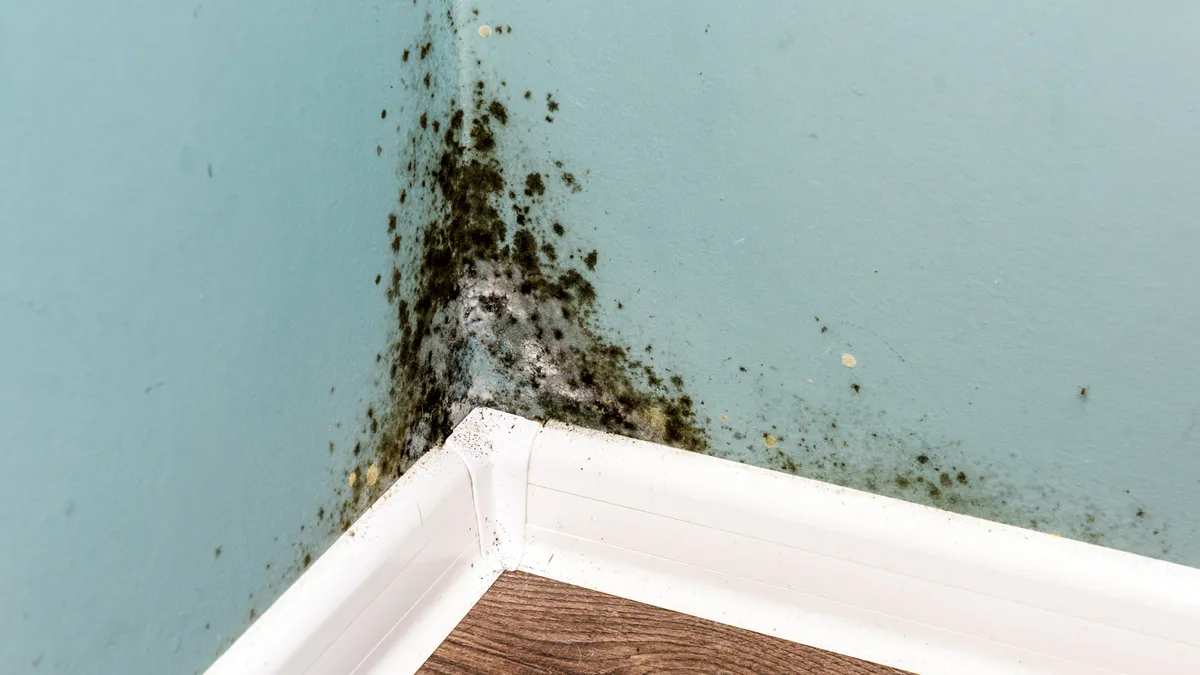
Essentially, black mold is a type of fungus that grows in damp, humid conditions or anywhere there is condensation. It often grows in dark green or black spots/pacthces and can be commonly found around bathtubs, grout, and around windowsills.
“In bathrooms, it can develop when moist air from showers and baths meets cooler surfaces, and condensation builds up,” states Richard Hill, Tile Expert at Waxman Ceramics. “Grout and silicone can be particularly susceptible because moisture can sit around the edges of the tiles.
“If you spot black marks appearing on your grout, deal with them as soon as possible. Use a bathroom mold remover and follow the instructions on the product rather than reaching for harsh chemicals that could damage the grout or sealant.”
Additionally, black mold can cause a strong, musty odor if left untreated. If you smell an unpleasant odor but can’t see any mold, it might be growing behind walls, under floors, or hidden in your HVAC system. In that case, you should call in a professional to inspect for mold.
1. Replace damaged grout

Since mold can grow beneath grout, tiles, and surfaces, cleaning alone will not be enough to prevent black mold from coming back.
This is especially the case if your grout shows signs of wear and tear. In fact, this could be a sure sign that you have black mold underneath. Rather than always scrubbing away, experts recommend replacing damaged, cracked, or permanently stained grout altogether.
“Damaged grout can be harder to clean thoroughly, as any gaps can allow more moisture to stick and create black mold,” adds Hill.
“It's also worth checking the silicone around your bath or shower. If it has started to break down or become badly discoloured, it may need replacing rather than another deep clean.”
Also ensure that the sealant around your bathtub is suitable for a wet environment and always in good condition.
2. Wipe down wet tiles and surfaces

It’s common practice after we have a shower to leave a door or window open so tiles can air-dry. However, sitting moisture can quickly lead to black mold, especially in a steamy environment.
To prevent this, make a habit of wiping down wet tiles and your shower area immediately after use.
”It's worth getting into the habit of wiping down the shower area after use, particularly around grout and corners where water can sit," says Hill.
“You don't need to dry every tile in the bathroom, but removing excess water from the areas that stay wet can help keep mold at bay”. In addition, make sure you leave your shower curtain fully open to allow it to fully dry.
3. Deal with condensation
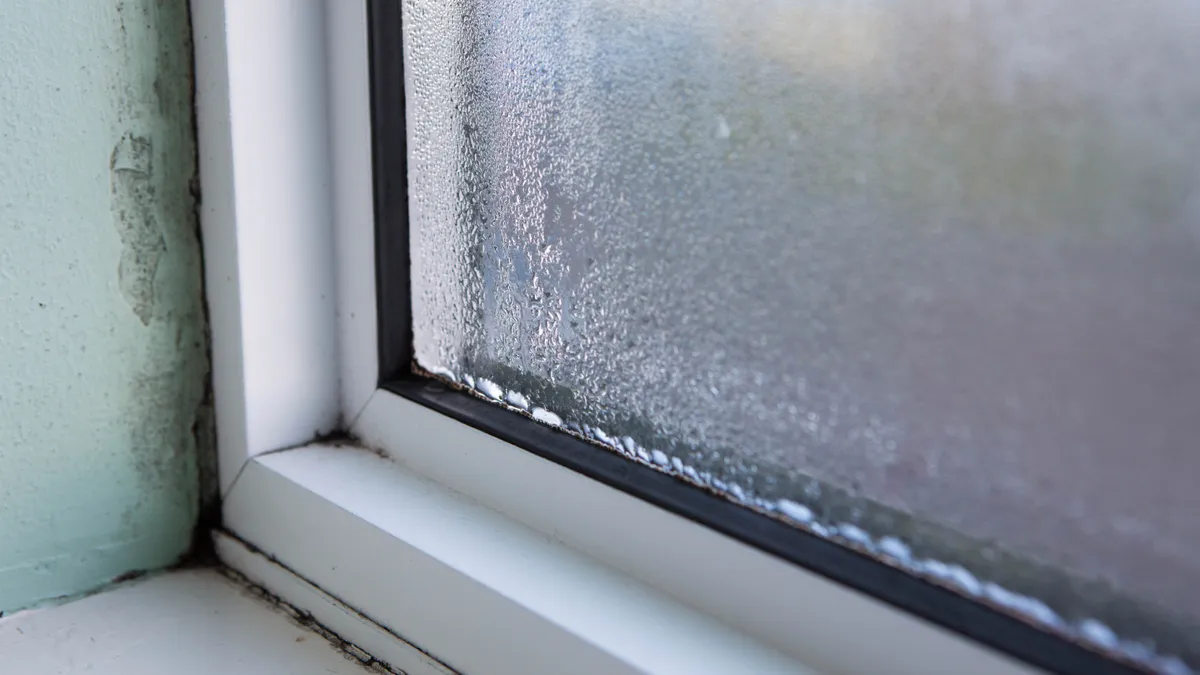
Since black mold thrives on moisture and condensation in the bathroom, proper ventilation in those key areas is essential to keep it at bay. And as we move into the colder months, condensation is more noticeable.
“Condensation can settle on colder surfaces, so pay attention to areas of the bathroom where moisture regularly builds up,” adds Hill. “If your tiles are constantly covered in condensation after a shower, it's a sign that the room isn't clearing moisture quickly enough.”
Besides cracking a window open, make use of your extractor fan, and leave it running after showering or bathing to help clear moisture from the room.
If humidity is an ongoing issue, using one of the best dehumidifiers can quickly extract excess moisture to keep the space dry.

Follow Tom's Guide on Google News and add us as a preferred source to get our up-to-date news, analysis, and reviews in your feeds.
More from Tom's Guide

