Few household issues are as persistent or unwelcome as mold. What begins as a damp patch in a corner can quickly escalate and threaten your home’s integrity and air quality.
And as we move into fall, September is a prime time for mold to grow, as changing temperatures and humidity create the ideal environment for mold spores to thrive.
To help you conquer mold in your home, I asked Michael Rubino, mold and air quality expert and founder of HomeCleanse, what triggers mold growth in the fall and how to stop it before it takes over your home.
Why fall triggers a surge in mold spores
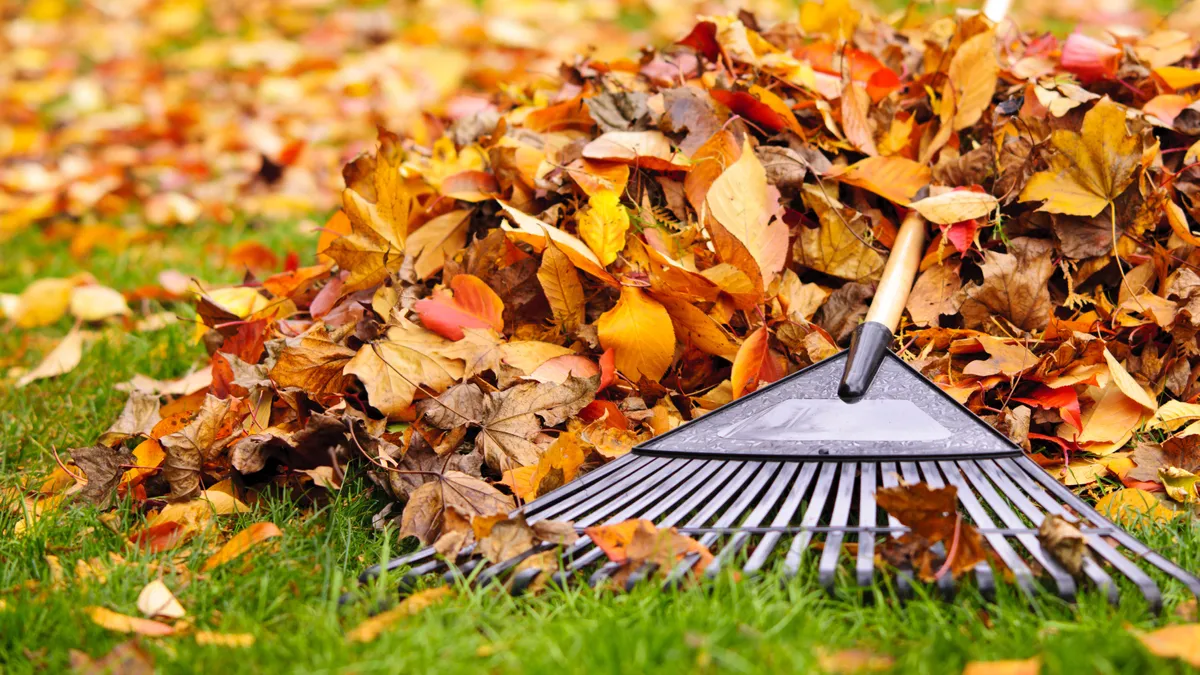
Fall delivers two things that mold love: excess moisture and decaying organic matter. "As leaves fall and vegetation dies back, that material collects on the ground and begins to decompose," explains Rubino. "Fungi are a natural part of that decomposition process, so this activity and subsequent outdoor mold spore levels can increase during the season.”
But those spores don’t stay outside. Wind, raking and leaf blowing in your yard cast them into the air. “Once airborne, they can enter the home whenever doors or windows are opened or be tracked inside on shoes, clothing or pets,” says Rubino.
Other seasonal triggers

Frequent storms
Hurricane season and heavy fall rains bring severe flooding risks. They can also damage roofs, foundations, windows, and doors, creating hidden entry points for water. "Wherever there’s prolonged moisture, there’s an opportunity for mold," warns Rubino.
Debris-clogged gutters
As leaves decompose, they block drains and gutters. This causes rainwater to pool near your roof and foundation rather than draining away. Wet leaf piles resting against your exterior walls create an ideal breeding ground right at your doorstep.
Sealed indoor environments
Cold weather forces us indoors with windows and doors shut tight. Without proper ventilation, air turns stagnant. "Daily activities like cooking or showering trap high humidity inside," says Rubino. That warm, humid air condenses on cold surfaces — like window panes — creating prime targets for mold.
Why a mold-free home isn’t possible
Rubino says a home 100% free of mold doesn't exist and that they'll always be a degree of mold in our environment. Instead, he says, “Focus on reducing unnecessary accumulation indoors, and importantly, control moisture, so those spores don’t have the conditions they need to begin growing.”
11 place mold loves to hide
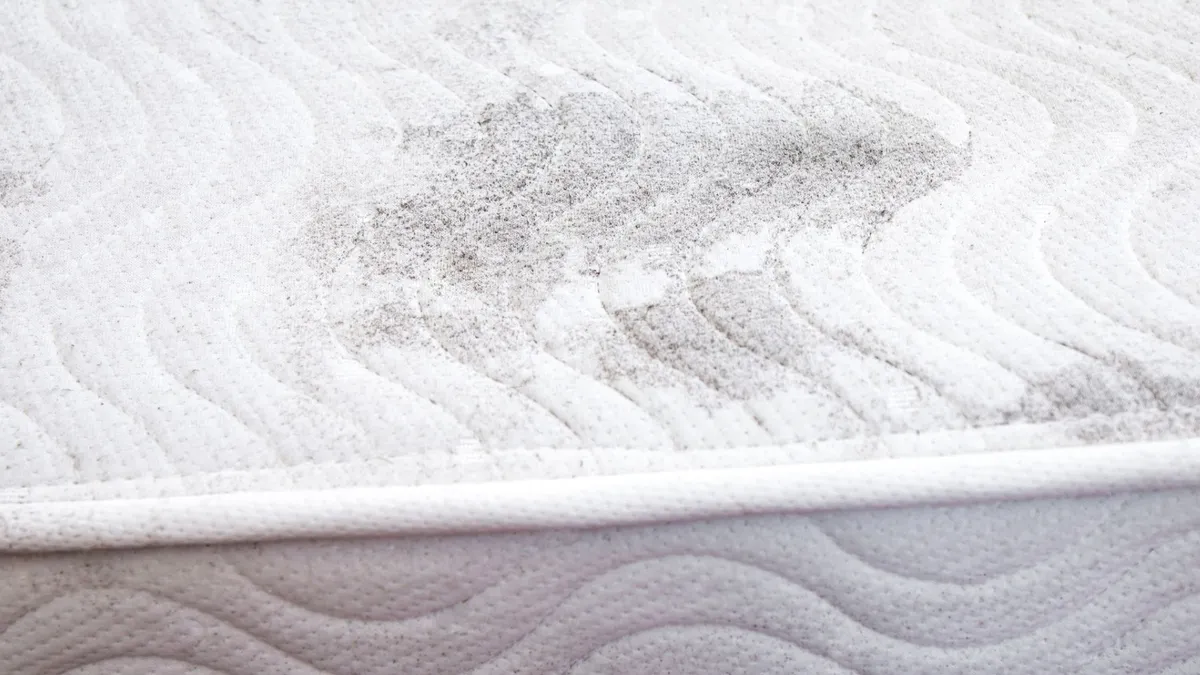
Mold thrives anywhere moisture sits undisturbed. Rubino recommends checking these key areas for leaks, lingering condensation, or water damage:
1. Under sinks and around plumbing supply lines.
2. Behind major appliances (refrigerators, dishwashers, washing machines).
3. Behind furniture pushed against exterior walls.
4. Inside dark cabinets and closets.
5. Around chimneys, fireplaces, skylights, and recessed lighting.
6. Inside attics, basements, and crawlspaces.
7. Garages and storage zones.
8. Windowsills, window frames, and door frames.
9. Mattresses, upholstered furniture, and carpet padding
10. HVAC systems (specifically drip pans, coils and vents).
11. Bathroom exhaust fan housing.
The surprising toilet tank trick to detect hidden mold

Finding hidden mold usually feels like a guessing game, but Rubino shares one simple trick: check inside your toilet tank.
"While the lid isn’t airtight, there isn’t much air transfer between the inside and outside of the tank," Rubino explains. "It's unlikely a single lucky spore just happened to land there. It's far more probable that an existing mold colony elsewhere in your home is releasing high levels of spores into the air, and one found its way into this wet oasis."
If you spot black or green growth inside your toilet tank, consider it an early warning system to inspect the rest of your home.
The ideal indoor humidity level to prevent mold

The humidity level in your home determines whether it is susceptible to fungal growth. Rubino advises keeping the humidity between 35-50%.
"Mold can grow at a relative humidity level of 60%," Rubino warns, "Keeping it below this threshold helps ensure mold can’t take advantage of the opportunity.”
To get a measure of the humidity level in your home, he suggests investing in a hygrometer that alerts you if the level gets too high.

Follow Tom's Guide on Google News and add us as a preferred source to get our up-to-date news, analysis, and reviews in your feeds.
More from Tom's Guide