Bathrooms are a mold nightmare. Between steam, daily humidity, and poor ventilation, tile grout and shower walls quickly turn into breeding grounds for unsightly black spots.
While most people instinctively reach for standard household bleach, traditional sodium hypochlorite sprays often dislocate surface color without penetrating porous tile grout to destroy the root structure underneath.
You do not need harsh, fumes-heavy chemicals to clear out an enclosed stall. You can eliminate stubborn bathroom mold using common household items — provided you know how to break down the spores at the cellular level.
The truth about mold

Mold isn’t just sitting on top of your tile, it anchors itself deep into porous grout like microscopic roots. While liquid chlorine bleach quickly wipes away surface stains, it struggles to penetrate these tiny pores.
Because bleach is mostly water, the chlorine quickly evaporates off the surface, leaving behind residual moisture that can actually feed the surviving mold and encourage it to grow right back.
Instead, ingredients like hydrogen peroxide or white vinegar are much better at soaking into porous materials to kill mold at its core. Just remember to use one or the other — never mix them.
Combining them creates peracetic acid, a highly corrosive chemical that can severely irritate your lungs and eyes.
How to clean mold and mildew from your shower
Deep grout cleaning with hydrogen peroxide
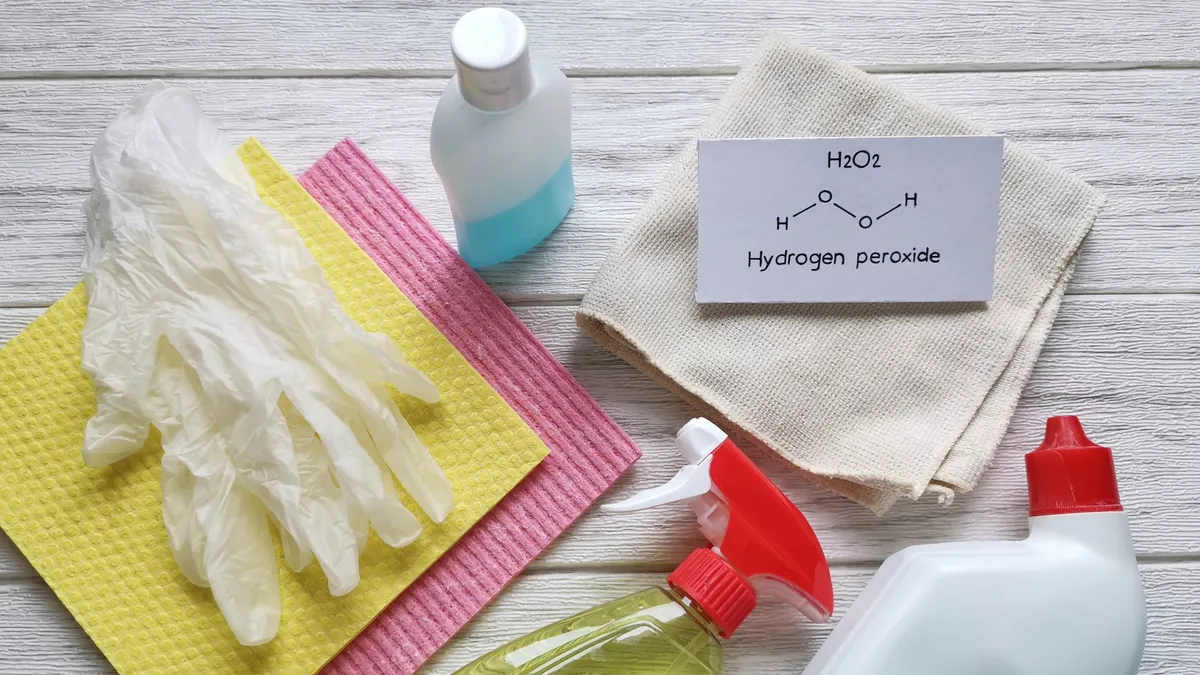
While hydrogen peroxide is technically an oxygen-based bleaching agent, it operates very differently from traditional household chlorine bleach.
Instead of simply lifting surface pigment, oxygen bleach acts as a powerful oxidizer that breaks down mold spores and kills the root cell structure deep within porous grout.
To use it effectively, apply standard three percent hydrogen peroxide completely undiluted. Either pour it directly onto the grout lines or use a spray bottle, as light quickly degrades its strength.
Liberally coat the affected area and let it sit for ten to fifteen minutes to allow the bubbling oxidation process to work.
Finally, work the area with a stiff-bristled brush, rinse thoroughly with warm water, and dry the tiles with a microfiber cloth to prevent fresh moisture buildup.
Treat your tiles with white vinegar
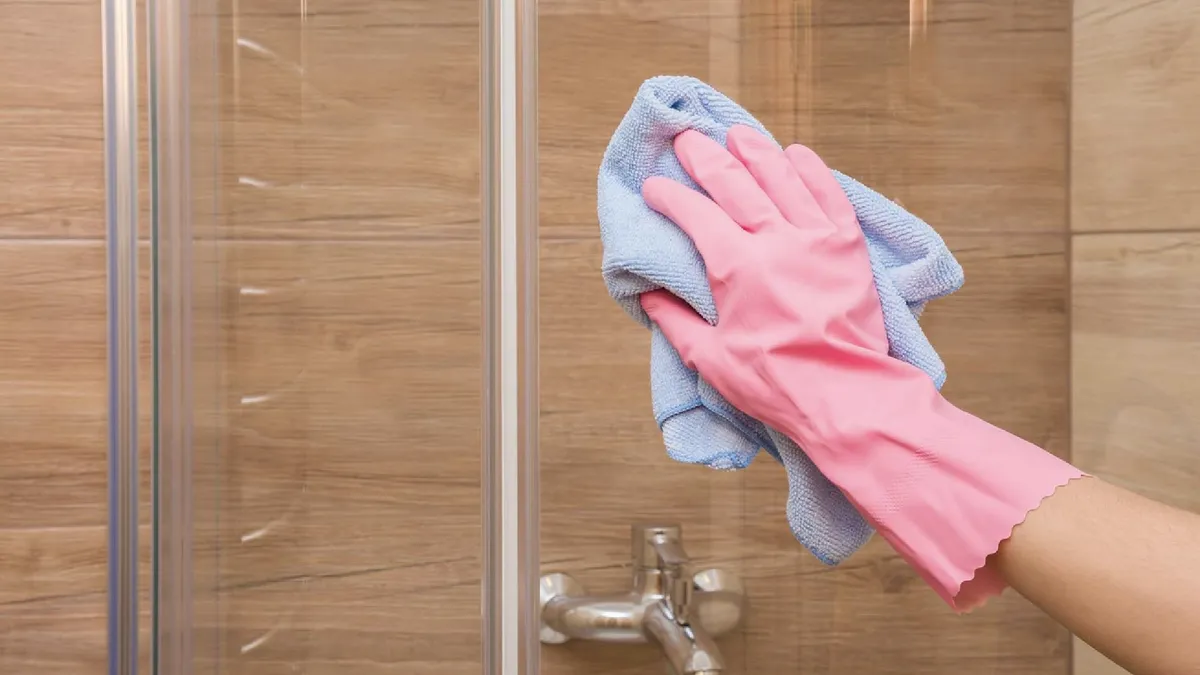
Distilled white vinegar offers a natural, non-toxic approach that works through acidity rather than bleaching action. It is remarkably effective at disrupting the cell structure of common household molds like Penicillium and Cladosporium.
You should, however, avoid using vinegar on natural stone like marble.
Treating persistent shower mold requires full-strength application rather than a diluted spray. Apply plain white distilled vinegar directly onto your ceramic tiles, glass doors, or fixtures, allowing it to sit undisturbed for a full hour.
While the vinegar scent is strong initially, it dissipates quickly as it dries while actively killing mold species. Scrub the surface clean with a sponge, rinse away the residue, and apply a light misting once a week as a passive deterrent against future growth.
Try a shower head nozzle soak
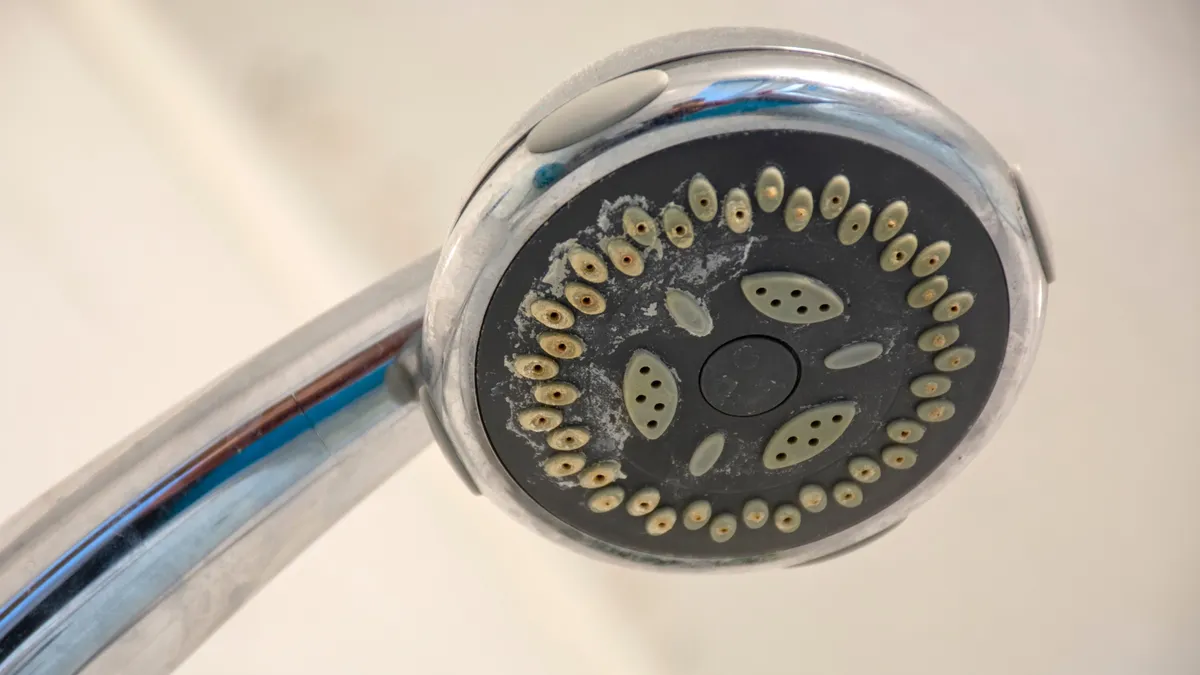
Shower heads are frequent hot spots for hidden mold because mineral deposits and trapped moisture create an ideal damp environment inside the nozzles.
You do not need to unscrew your plumbing fixtures or soak them in harsh industrial cleansers to clean them out thoroughly.
Instead, fill a plastic sandwich bag halfway with warm white vinegar, submerge the shower head inside the liquid, and secure the bag around the pipe using a strong rubber band. Let the fixture soak for one hour to dissolve mineral buildup and neutralize internal mold spores simultaneously.
When time's up, remove the bag, run hot water through the nozzles for sixty seconds to flush out loosened debris, and wipe the exterior dry.

Follow Tom's Guide on Google News and add us as a preferred source to get our up-to-date news, analysis, and reviews in your feeds. Subscribe to Tom's Guide on YouTube and follow us on TikTok. Finally, you can visit our dedicated Tom's Guide Savings Squad hub for expert help on getting the best products for less.
More from Tom's Guide