Every fall and winter, my dehumidifier becomes the single most important appliance in my home. Without it, dampness creeps in, leaving window condensation and mold in its wake.
If you want to protect your home from excess moisture, one of the best dehumidifiers is worth every penny — but picking the right one can be tricky.
I reached out to industry experts to uncover the mistakes people make when choosing a dehumidifier and the features and specs you need to consider before you buy.
1. Not knowing when you need to use a dehumidifier
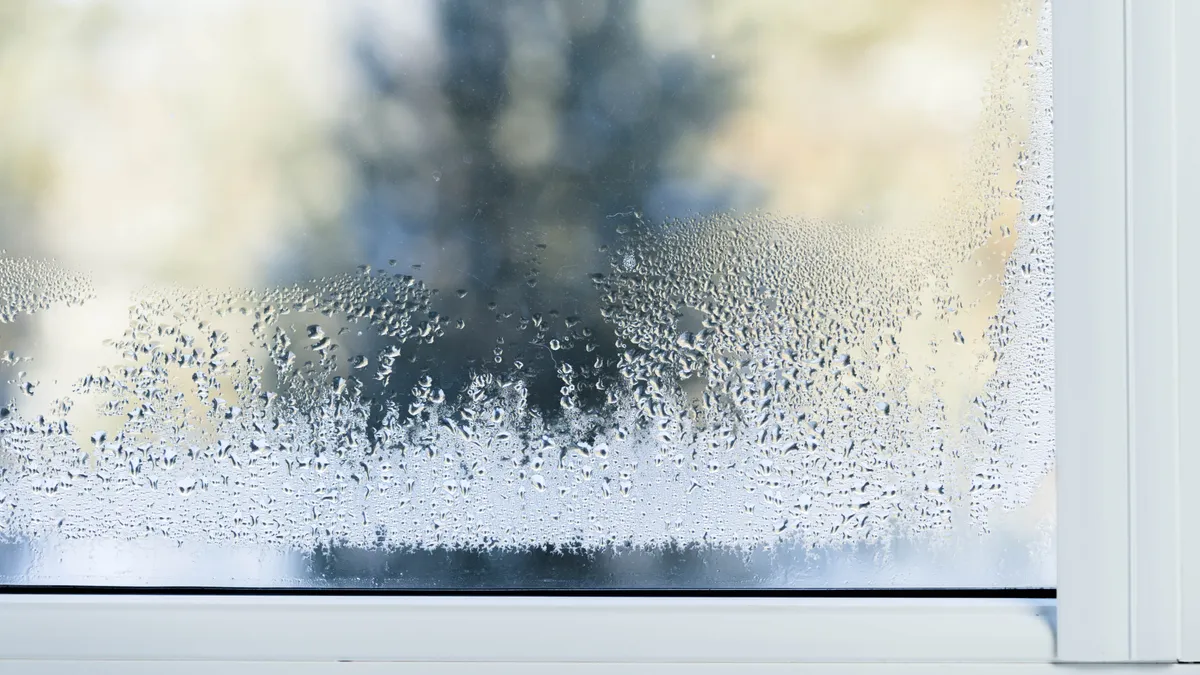
“You may need a dehumidifier if the air inside your home feels damp or sticky, or you notice window condensation, musty odors, mold or mildew, water stains, or recurring allergy symptoms,” explains Gelacio Lechuga, virtual HVAC expert at American Home Shield.
According to the U.S. Environmental Protection Agency (EPA), ideal indoor humidity should stay between 30% and 50%. If your levels exceed 50%, opening windows can help — provided it isn’t too cold or humid outside. Otherwise, running a dehumidifier is your best option.
“When humidity levels fall outside that range, it can create comfort, health, and even home maintenance issues, says Tim Kovacs, product manager of coils & indoor air quality at American Standard Heating and Air Conditioning.
Instead of waiting for mold or window condensation to appear, monitor your indoor humidity before it becomes an issue. A simple tool like the Govee Indoor Hygrometer Thermometer, $10 at Amazon, makes it easy. Many of the best smart thermostats and even the best smart water leak detectors can also let you know the humidity levels inside your home.
Did you know?
Common areas that are prone to high humidity include laundry rooms, basements, crawl spaces and other poorly ventilated areas.
2. Not knowing the difference between the types of dehumidifiers
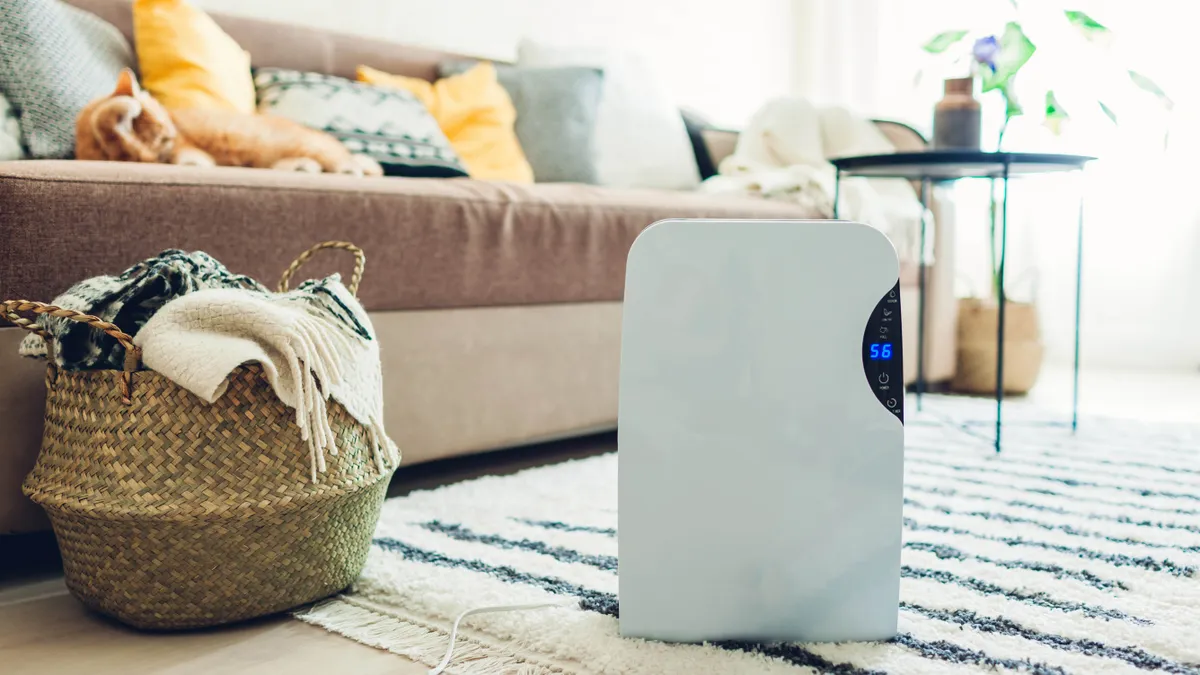
There are two types of dehumidifiers — compressor and desiccant. I own a compressor model, the most common type, and I use it in my main living areas.
Mike Naughton, founder and ceo at Integrity Energy and Price to Compare explains the main difference between the two. “Compressor dehumidifiers are best for warm living spaces (above 65°F). These units are heavier than desiccant dehumidifiers and generally lose efficiency or can freeze up in colder temperatures.”
He adds that they work by pulling in damp air and passing it over cold coils to condense water droplets into a tank.
Unlike compressors, which suit warmer spaces, he explains that desiccant models work best in cold, unheated areas like garages or basements. “They draw in air, pass it over a rotating wheel with a moisture-absorbing material, and then exhaust slightly warmed air.”
He says these units tend to use more electricity than compressors, but they're quieter because of their internal electric heater.
3. Getting the capacity wrong
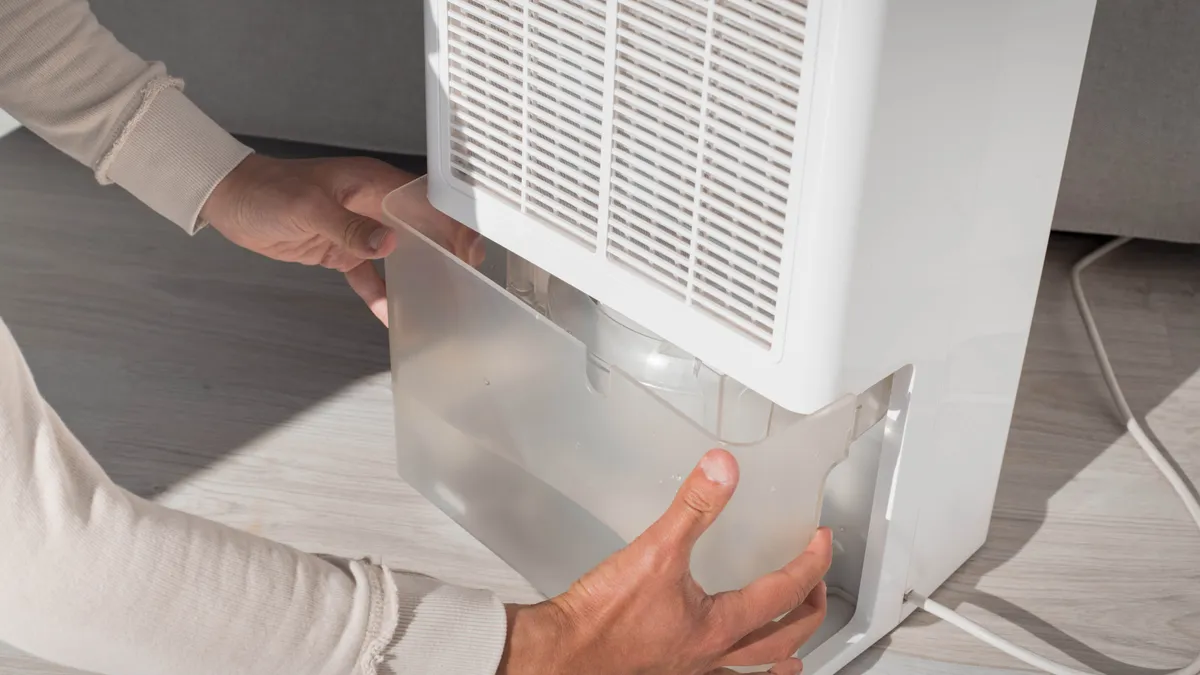
Before buying a dehumidifier, you’ll need to work out the capacity you need. If you choose a unit too small for your space, you’ll be running back and forth emptying the tank.
“Dehumidifiers are sized by how many pints (or liters) of moisture they can extract in 24 hours,” explains Divya Piskala, product manager, controls & well-being at Bosch Home Comfort.
As a guide, she says that small units holding 20-25 pints work best for spaces up to 500 square feet, such as small bedrooms and bathrooms, studies, or closets.
Medium units with a 30-35 pint capacity cover 500-1,500 square feet and suit living rooms, offices, or damp crawlspaces.
However, if you have a large space, such as a basement, covering 3,000-5,000 square feet, Piskala recommends opting for a large-capacity unit with a 45-50 pint capacity.
4. Not considering the noise level

If you’re placing a dehumidifier in a quiet zone, such as a bedroom or study, don’t forget to think about the noise level.
Bob Cardwell, owner at Cardwell HVAC says, “The type of dehumidifier determines how noisy it will be, and usually compressor dehumidifiers are noisier than desiccant models due to the compressor and fans working.”
However, he adds that the most reliable thing to do is check the appliance's decibel level. “Options with the decibel number between 35-40 are super quiet, but options with 40-45 are still quiet enough and are still good for bedrooms.”
5. Missing out on extra features

If you’re spending out on a dehumidifier, don’t forget to look out for extra features. Leuchuga recommends considering a unit with a built-in humidistat and auto mode to set and maintain your desired humidity level. And he also adds that it’s a big benefit if your unit can restart after a power outage.
Another feature to look for, especially if water collection is high and you want to avoid constantly emptying the tank, is a model with a drainage hose.
Piskala also adds that multi-speed fans can be useful, as they allow you to “run a quiet low speed in bedrooms or high-power airflow in a basement.”
Depending on your budget, you might want to upgrade to a dehumidifier with app controls. This lets you monitor moisture levels in your home remotely, adjust your humidity set point, switch fan modes, and schedule timers. You can also get alerts on your phone when the tank is full or the filters need cleaning.

Follow Tom's Guide on Google News and add us as a preferred source to get our up-to-date news, analysis, and reviews in your feeds.
More from Tom's Guide