In case you’ve missed the news, Phil Spencer has retired from Xbox, and Sarah Bond has departed. New CEO Asha Sharma and freshly minted Chief Content Officer Matt Booty will now run Microsoft Gaming. It’s a huge shakeup, to say the least.
While this news is shocking (gotta love that late Friday news dump!), I can’t say I’m totally surprised. The Xbox brand has been in a slow-motion decline since the Xbox One’s announcement in 2013. Who can forget the always-online disaster, the Kinect fiasco, and the $399 PS4 memes?
And now the Series X/S has sold roughly 35 million units to date, compared with the PS5’s 92+ million and the original Switch’s 155 million. In 2025, Xbox console sales saw a brutal 45% drop from the previous year. Though content and services like Xbox Game Pass keep the lights on, hardware is tanking.
With new leadership at the helm, now is the time for the Xbox brand to take bold steps to ensure a viable future. Here’s how the Xbox brand can survive and thrive in the coming years.
Embrace being a third-party developer

The console business clearly isn’t working for Microsoft and hasn’t for well over a decade. The days of the Xbox 360’s dominance are in the distant past, a fact that’s abundantly clear in 2026. Though Microsoft is working on a next-gen system (as Sarah Bond stated in her farewell message to the team), that system (the rumored PC-like Project Magnus) shouldn’t be the focus for the company.
Right now, Microsoft is already the biggest third-party publisher in gaming. Between Xbox Game Studios, Bethesda, Activision Blizzard, and a slew of others, the company owns dozens of studios. With such a huge army of developers, you don’t need dedicated hardware to sell games. You can sell them on other platforms.
Going from hardware manufacturer to purely software developer wouldn’t be unheard of, either — just look at Sega. After the Dreamcast flopped, Nintendo’s former rival pulled the plug on hardware in 2001 and went full third-party. Though the transition wasn’t exactly smooth, the move benefited Sega over time. Sega stopped the bleeding, focused on delivering excellent games for all systems, and is currently one of the most respected and beloved developers in the industry.
There’s absolutely no reason why Xbox can’t do the same. The company doesn’t need to release another system with a confusing name for folks to play its games. As it’s already doing, it should keep releasing on PS5, PC, Nintendo Switch 2, and wherever else it makes sense. Focus on making awesome games and let Game Pass be the subscription hook (more on that shortly). This way, the Xbox brand can finally become the true multiplatform powerhouse Microsoft has always wanted it to be.
Quality over quantity

Though plenty of games land on Game Pass, few of them make a significant impact with gamers. Despite having a legion of AAA studios, actual blockbuster titles can sometimes feel few and far between. We see more headlines about layoffs, cancellations, and delayed projects than we do about must-play releases.
To fix that, Microsoft must do a better job of curating its output and enforcing faster, more reliable development cycles for its heavy hitters. There’s no reason players should have to wait the better part of a decade for new installments of bedrock franchises like Halo, Gears of War, and Forza. The company needs to find the right balance between quality and timely releases for the games that actually define Xbox.
The same standard should apply to the rest of the mid-tier and indie portfolio. With so many teams, there’s no excuse for inconsistent output, but that output also can’t be filler just to pad Game Pass day-one slates. Even if it means fewer releases overall, true quality titles will win players back over time. That’s how you rebuild trust and turn folks into loyal subscribers.
Expand Game Pass
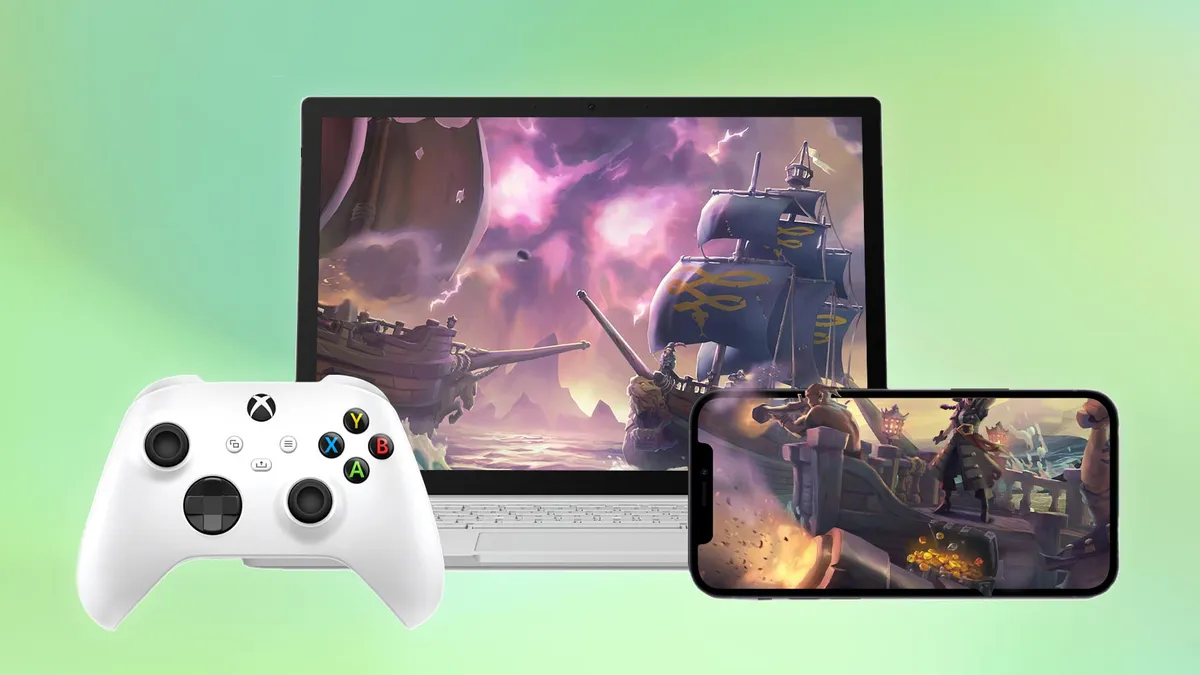
I’m sure some of you are wondering what the point of Game Pass is without dedicated hardware. While the subscription service has certainly been a big reason to buy an Xbox console, it doesn’t have to live primarily on the company’s hardware. Given the poor sales of Xbox, Game Pass shouldn’t be tied to it. In fact, the subscription service can thrive outside of Xbox.
And you don’t even have to imagine this scenario. You can already stream hundreds of titles via the Xbox app on Samsung and LG smart TVs, Amazon Fire TV devices, and more. Going further, Microsoft should strike aggressive partnerships for native apps on Roku, Apple TV, every major phone carrier (bundled data plans, anyone?), and every TV manufacturer on the planet. Make Game Pass the true Netflix of gaming.
It can also become the ultimate first-party destination: day-one releases from every major Microsoft-owned studio, plus the full back catalog of legacy Xbox, Xbox 360, and original Xbox games. With that massive library, Game Pass wouldn’t need third-party day-ones from the likes of Capcom or Square Enix. Think of it like a good version of EA Play or Ubisoft+ that you actually want to subscribe to.
To address the elephant in the room, this would also mean bringing Game Pass to PlayStation and Nintendo systems. That would ultimately be up to Sony and Nintendo to approve, but if the service only features Xbox-owned titles (which players could still buy individually on those storefronts), I don’t see a strong reason for them to object, especially since EA Play and Ubisoft+ are already available on PS5. That said, I wouldn’t hold my breath for Nintendo to play ball.
Set realistic expectations

Xbox’s communication isn’t bad. We’re generally not left in the dark about what’s in the pipeline. That said, it could still use some serious restructuring to keep players informed and excited without the usual drama.
Though the company has improved over the years, we need to see an end to the overhype. Aaron Greenberg and the old hype machine loved promising the moon only to underdeliver. The new regime needs to get fans excited for what’s actually coming without setting itself up for backlash when plans change.
Games shouldn’t be announced years before they’re ready. Want an example? Look no further than Perfect Dark, announced in 2020, hyped for half a decade, and then completely cancelled in 2025 along with its entire studio. If a delay is coming, say it early instead of stringing people along.
This last point is controversial but important: Xbox needs to let fans understand the company is not their friend. I’m all for open communication and more fan-centric events to keep people invested, but execs hopping on social media and acting like your buddy is cringey as hell. It has fostered some genuinely toxic parasocial relationships on social media. Like Sony and Nintendo, let fans feel welcome without the fake intimacy that breeds toxicity when expectations aren’t met.
Outlook
Xbox isn’t in great shape today, but that doesn’t mean the 25-year-old brand is finished. With Asha Sharma’s experience as a platform builder and fresh perspective, now is the perfect time for Microsoft to take the drastic measures required to make Xbox thrive again.
Sega came back stronger after it abandoned hardware, and I don’t see why Xbox can’t follow suit. The brand can absolutely prosper without a dedicated plastic box in your living room. The console wars are over and there's no reason for Xbox to continue focusing on hardware. Microsoft can become the ultimate third-party publisher that also offers the ultimate gaming subscription service.
While that might sound absurd or even blasphemous, I think this is the best course for Xbox. After all, Microsoft is and always has been a software-first company. If it can follow through, Xbox won’t be relegated to the landfill of gaming history. By focusing on software and putting it everywhere, Xbox might just pull off the greatest comeback story in gaming.

Follow Tom's Guide on Google News and add us as a preferred source to get our up-to-date news, analysis, and reviews in your feeds.
More from Tom's Guide