




Here's the thing about choosing the best consoles in 2026: you may have already made up your mind on which system to buy. Whether you've grown up playing Crash Bandicoot on PlayStation (like I have), can't get enough of Forza Horizon on Xbox or live for Mario's latest adventures on Nintendo, a key part of console gaming is the games you play.
But the console market is shifting. Thanks to the RAM crisis, console prices are on the rise, meaning that what were once more reasonable gaming systems for all are now getting harder to afford. Our team of gamers here at Tom's Guide has felt the effects, so if you're looking for a change of pace in what you play on, this guide is here to help.
The good news is that many of the most popular games of today can be played on multiple platforms, so you don't have to feel like you're missing out. With that in mind, we recommend the PS5 Slim as the best gaming console for most, with its vast library of games (and PlayStation exclusives), along with its excellent value. Prefer a more powerful standalone system or a console to take with you on the move? We've done the testing of all the latest, so let's dive into the best gaming consoles you can grab today.

Since getting a Nintendo Game Boy Color on my seventh birthday, I've been a gamer ever since. And boy, have consoles grown throughout the years. After spending time playing on consoles from each generation from all the top dogs (I skipped the Google Stadia for reasons), there's no better time to grab a console to play through a lengthy list of games. So, with the help of our resident gaming expert, Rory Mellon, and the rest of the gamers here at Tom's Guide, we're here to help you find the gaming console that's fit for your home.
The best consoles you can buy today
Why you can trust Tom's Guide Our writers and editors spend hours analyzing and reviewing products, services, and apps to help find what's best for you. Find out more about how we test, analyze, and rate.
The best gaming console overall
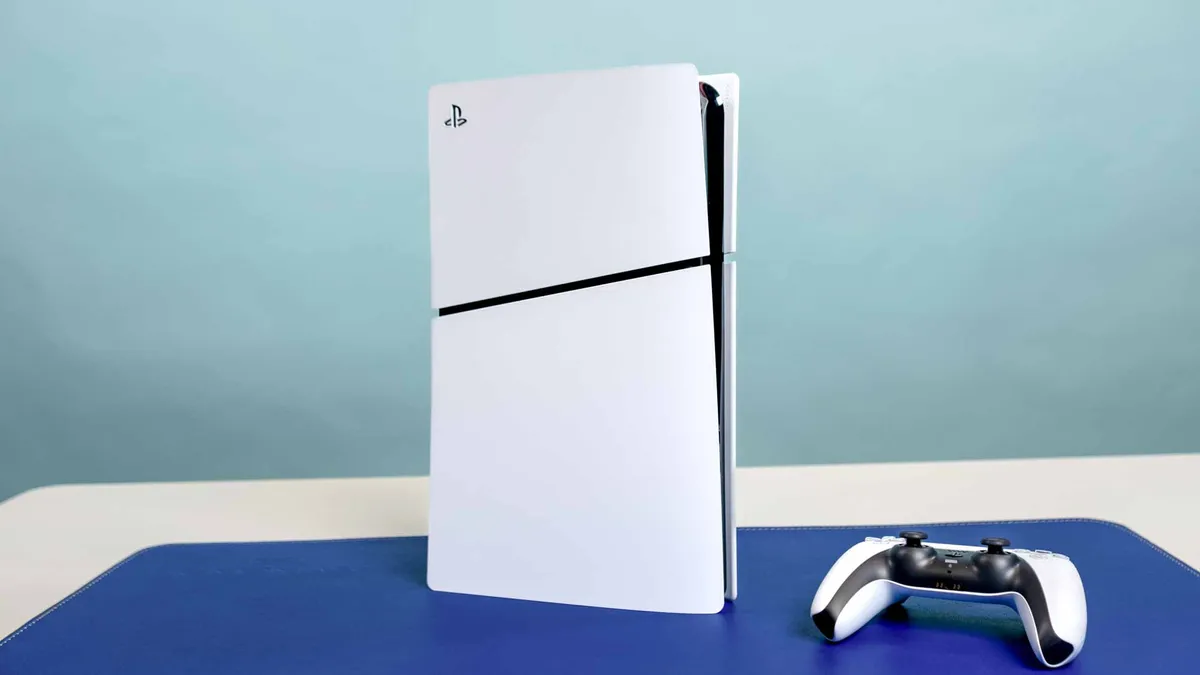

We called Sony's PS5 an “essential console” when it first launched, but the PS5 Slim cements that status by shedding bulk without sacrificing speed. The slimmer profile makes it far easier to fit into most living rooms, and in everyday use, we found it delivers the same blazing-fast performance and load times as the original model.
But what truly sets the PS5 Slim apart, and the main reason we recommend it for most players, is its exceptional game library. From blockbuster exclusives like Marvel’s Spider-Man 2, God of War: Ragnarok and Saros, to an ever-growing catalog of indie gems, there’s no shortage of memorable experiences here. The upgrade to a 1TB SSD also means you’ll spend less time juggling installs — something we immediately appreciated as new releases pile up.
Versatility is another major win: the PS5 Slim offers a removable and attachable optical disc drive, so you can choose between a sleeker digital setup or physical game collection. Swapping out the drive is genuinely user-friendly, and that modularity gives you more freedom to tailor the console to your habits (though opting for the Digital Edition and adding the drive later does cost a bit more).
In our own testing, the PS5 Slim matched the older PS5’s speed and responsiveness, which is to say: games load in seconds, and jumping between titles feels effortless.
Of course, there are a few small drawbacks. The new design is certainly less obtrusive but still divisive. More annoyingly, you won’t get a vertical stand in the box (it costs extra), and the disc drive is a separate purchase if you buy the Digital Edition. These are minor quibbles, but worth factoring into your setup budget. Oh, and it's worth noting the price hike, with prices now starting at $599 for the Digital edition (a $100 price bump).
If you want one console that delivers the best balance of games, performance and adaptability for years to come, the PS5 Slim is our top pick.
- Read our full PS5 Slim review
The best value gaming console
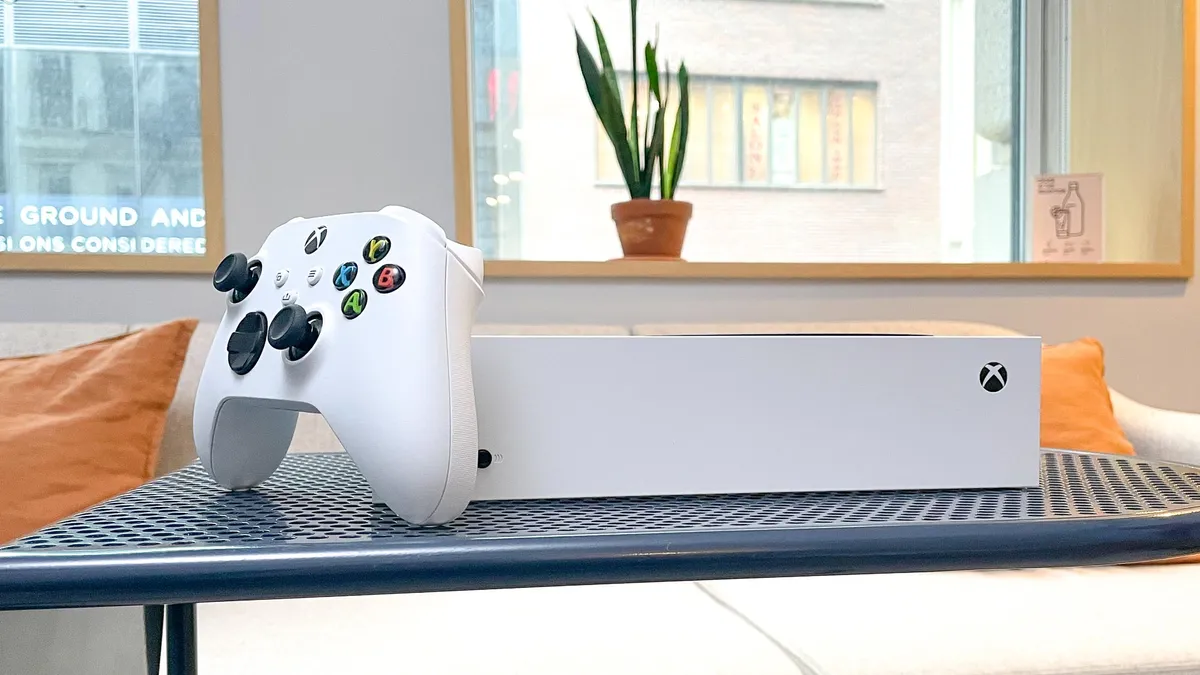
Microsoft hit the nail on the head with the Xbox Series S, a fantastic budget option to let everyone play the latest games on the couch, even if it's not nearly as powerful as its peers. But it's the design that should get the spotlight! Its small form factor means the Series S slides into cramped entertainment centers and bedrooms with ease, solving a real problem for anyone short on space or patience for bulky hardware.
But don’t let the size fool you. Beneath that minimalist case is an 8-core Custom Zen 2 processor and a custom RDNA 2 GPU, both tuned for reliable 1080p gaming. In our experience, load times are measured in seconds rather than minutes, even across demanding games like Gears of War 5 and Yakuza: Like a Dragon. This is a machine built for fast, responsive play, not flashy specs you’ll pay a premium for but never use.
The Series S’s affordability and quiet, unobtrusive design will matter more to casual players, kids, and anyone on a tight budget. If you’re not planning to chase the latest graphical showpieces or need a machine for a modest screen, the Series S’s limitations actually become its strengths.
Of course, those limitations are real: the built-in 512GB SSD fills up quickly, especially as game install sizes continue to grow. Upgrading storage means buying proprietary expansion cards, which eat into the initial savings.
If you’re hunting for the best value in a modern gaming console, especially for a first-timer, casual player or anyone with limited space, the Xbox Series S is hard to beat. Just be ready to manage digital games only and keep an eye on storage. For most value-focused buyers, though, it’s the right tool for the job.
- Read our full Xbox Series S review
The best premium gaming console
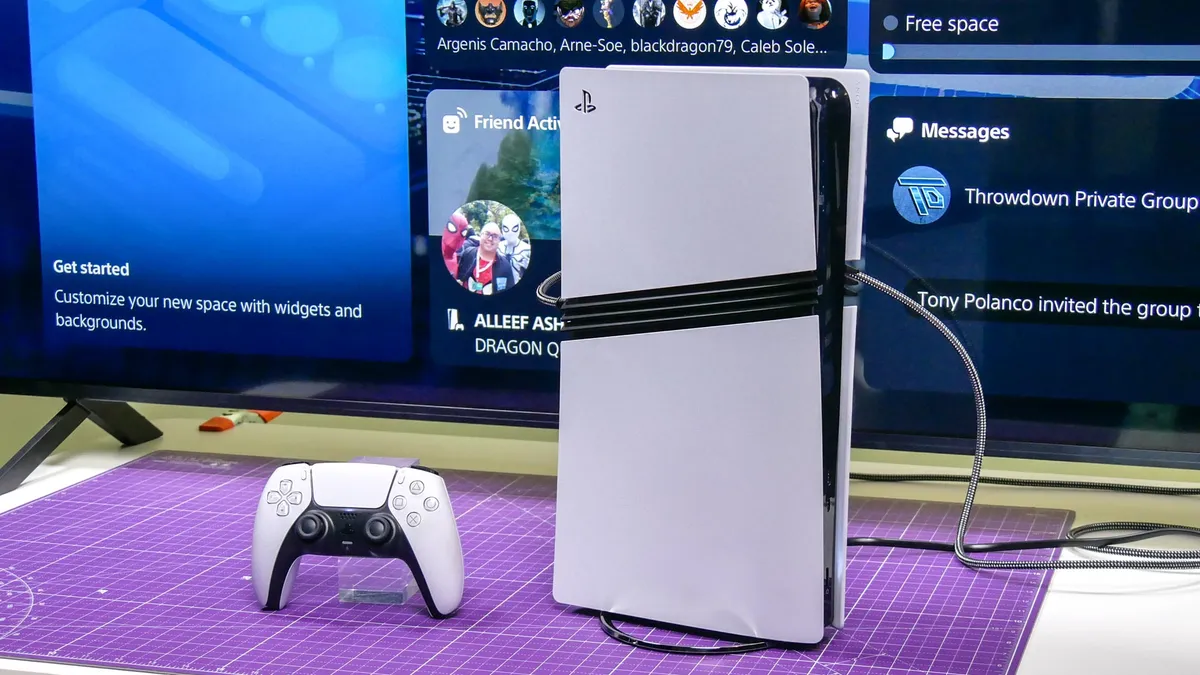

There’s no question about it: the PS5 Pro is the most powerful console around. After spending some time putting the best PS5 games through their paces, it’s immediately clear this is the most technically impressive home console you can buy right now — if you’re willing to pay for it.
Under the hood, Sony has gone all-in on performance: the upgraded chip delivers 67% more compute units and 28% faster memory than before, unlocking up to 45% faster gameplay rendering. For anyone playing on a large, high-end TV, the visual difference is obvious. Scenes look sharper, smoother and more dynamic, with enough headroom for both higher frame rates and next-level effects.
Ray tracing has finally arrived as a headline feature you’ll actually notice in supported games. Take Spider-Man 2: reflective puddles, shimmering cityscapes and more realistic lighting are all here and genuinely transform the look of blockbuster titles. This is the sort of visual leap that just feels good to show off, especially if you want your setup to be a cut above the rest.
Sony’s AI-driven PlayStation Spectral Super Resolution (PSSR) also shines, quietly working behind the scenes to sharpen image clarity using machine learning. In the majority of games, the bump in resolution is there. Even if it’s not always a jaw-dropping upgrade, it adds to the sense that you’re playing on a system built for the future.
Storage is another area where the PS5 Pro flexes its premium muscle: you get a massive 2TB internal SSD. That’s enough space for dozens of AAA games without the constant shuffle of installs and deletes. That's a real quality-of-life upgrade for anyone with a big library.
Of course, all this comes at an even steeper price than before, at a whopping $899. The PS5 Pro is significantly more expensive than the PS5 Slim or Xbox Series S, and it’s digital-only unless you buy the add-on disc drive. But if you demand the absolute best visuals and performance and want a console that’s built to stay ahead for years to come, the PS5 Pro is the premium choice, no question.
- Read our full PS5 Pro review
The best Xbox gaming console
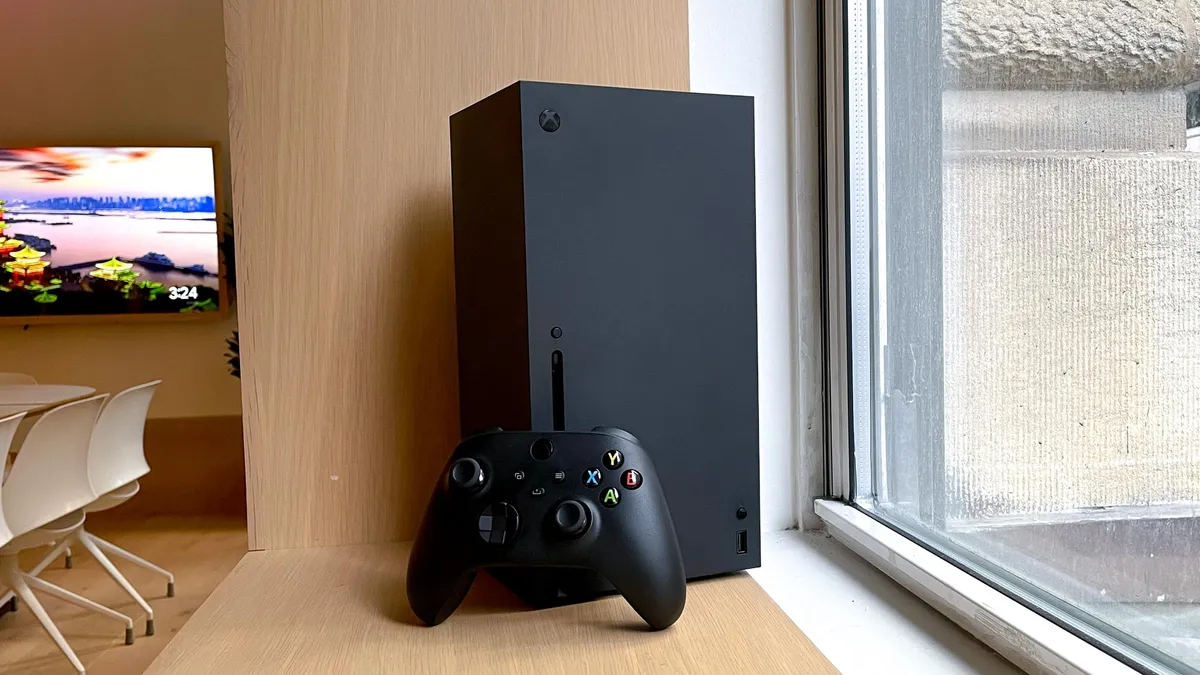
Look, Xbox isn't in the best place right now, with major layoffs and rising console prices. But either way, the Xbox Series X remains the most powerful console Microsoft has ever built, and it makes a real difference where it counts: performance and speed.
In our own tests, games like Red Dead Redemption 2 loaded in just 38 seconds on the Series X — a massive jump from the 1 minute 28 seconds we measured on the previous Xbox One X. With a 12 teraflop GPU under the hood, there’s no doubt this box is built for demanding, big-screen games.
That power isn’t just theoretical. In games like Assassin’s Creed, we found the Series X consistently targeted 60 frames per second, dynamically scaling from 4K down to 1440p as needed to maintain smooth action. For anyone who wants crisp visuals and fluid gameplay on a 4K TV, this is a platform that holds up well — not just for today’s blockbusters, but for the demanding titles of the next few years.
But what really sets the Series X apart for Xbox loyalists is backward compatibility. We’ve found it effortlessly runs games from every generation of Xbox. Just pop in a disc and play. That means your library, whether you’re still holding onto classics or chasing the latest releases, is ready to go right out of the box.
The broader Xbox ecosystem also shines, especially for gamers who want flexibility. Features like Quick Resume (which lets you bounce between several games and pick up right where you left off) are genuinely useful and pair well with the appeal of Xbox Game Pass. Access to a rotating vault of both new and older games means you can sample, subscribe and switch up your play style with minimal friction.
There are trade-offs. Compared to the PS5 Slim, the Series X wins on loading times and backward compatibility, but Sony’s system still has the edge when it comes to exclusive games. If you’re weighing the Series S for its lower price and quieter running, remember that the Series X is the box to buy if you want real 4K capability, faster load times and more future-proof performance
If you’re looking for a powerful home console that fits neatly into a living room and lets you dip into a huge cross-generational library, the Series X is the clear Xbox to get.
- Read our full Xbox Series X review
The best hybrid gaming console
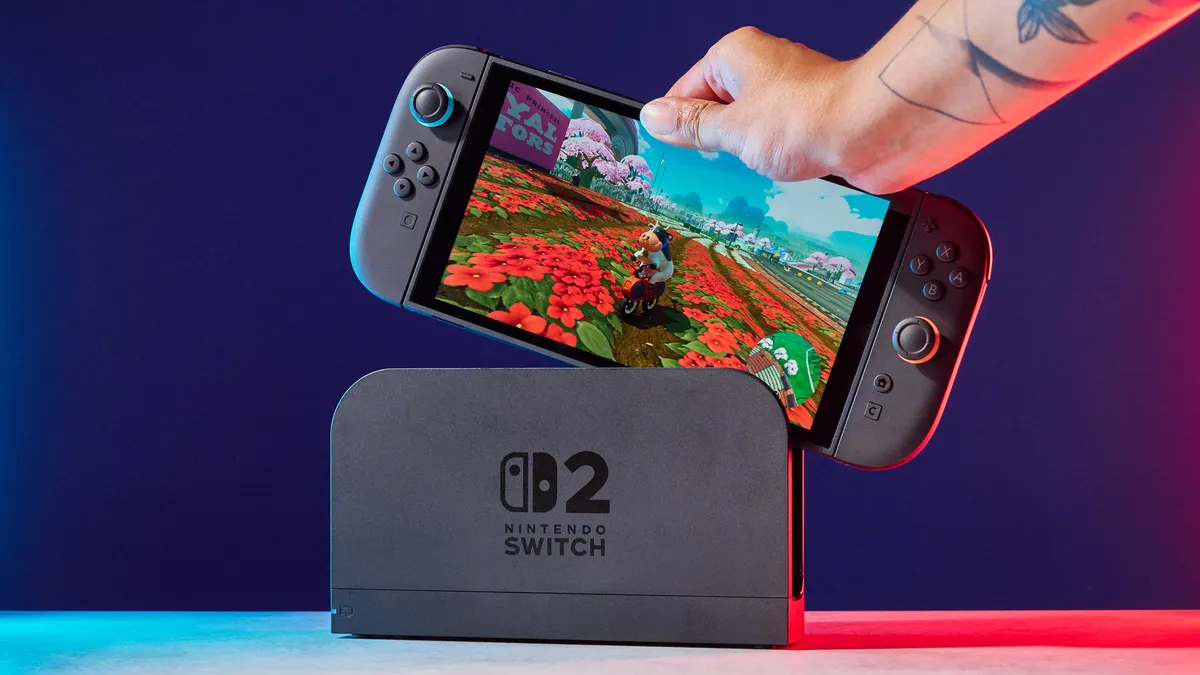
Nintendo Switch 2 takes pretty much everything that worked well about its fantastic predecessor and adds useful upgrades across the board. It’s a phenomenal hybrid console that can offer a robust TV experience, but the true ace up its sleeve is when you remove the Switch 2 from its docking station and can take your untethered play experience anywhere you wish.
The most immediately apparent difference with the Switch 2 is the larger 7.9-inch display. This increase in size makes it comparable to rival handhelds on the market like the Steam Deck. However, the lack of an OLED option is disappointing. Still, the Switch 2’s LCD is vibrant enough that the move from the Switch 1 OLED hasn’t felt too noticeable.
Other upgrades include re-worked Joy-Con 2 controllers, which now connect to the main console unit via a series of magnets, replacing the cumbersome railing system of the Switch 1. Beefed-up internal specs: while Switch 2 can’t rival PS5 or Xbox Series X, it is significantly better equipped for modern games than its forefather. Oh and let’s not forget about Mouse Mode, which lets you turn your Joy-Con 2s into a PC-style mouse just by laying them on a flat surface (or even in your lap).
The other major advantage that Switch 2 has over its rivals in the console space is Nintendo’s stable of fan-favorite franchises. Switch 2 is still in its infancy, so its library isn’t as sizeable as other options on this list, but it’s the only place where you can play titles like Mario Kart World and Donkey Kong Bananza. The latter is practically a system seller itself. Don’t forget, Switch 2 is also compatible with the majority of Switch 1 games.
There aren’t really any major drawbacks when it comes to Nintendo Switch 2, but battery life is rather lackluster overall. I’ve been able to get around two-and-a-half hours of play from a fully charged battery, which will suffice during a somewhat lengthy journey, but if you’re away from a power outlet for a prolonged period of time, you’ll need a good power bank to keep playing. The lack of ergonomic grips on the back of the console also makes it less comfortable in your palms than some rival handhelds, but this can be fixed with a case like the dBrand Killswitch.
Nintendo Switch 2’s lifecycle is just getting started, but even at this early stage, it’s pretty much the hybrid console of our dreams, offering smart upgrades over its predecessor, a small but rapidly growing library, and an overall play experience that is truly excellent.
- Read our full Nintendo 2 Switch review
The best handheld gaming console
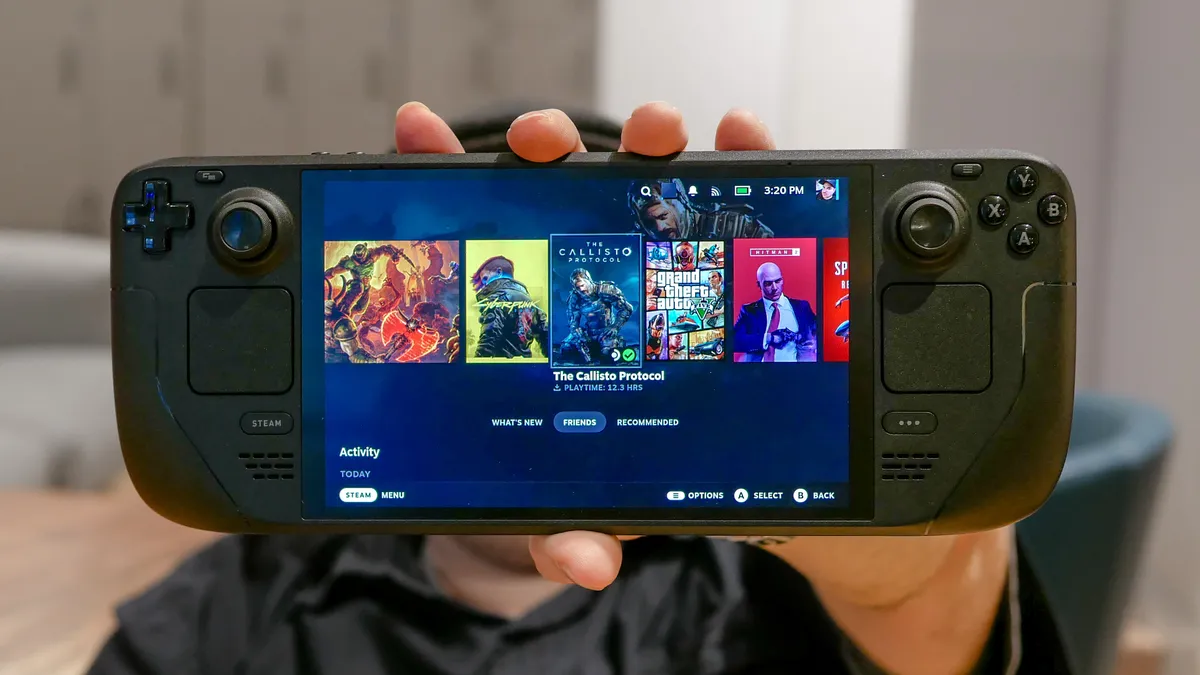
Valve’s breakout portable device kicked off an era of PC handheld gaming, and that’s still the case with the Steam Deck OLED — only now, it’s paired with a genuinely stunning OLED HDR display. But we'll still recommend the original Steam Deck (where you can get it), and that's unfortunately because of Valve's major $200+ price increase.
Still, this handheld sings when it comes to playing AAA games and especially indie titles alike. If you play mostly on the move and prioritize screen quality, battery life, and comfort, the Steam Deck OLED is still our top pick as the best handheld gaming console. Playing games like Resident Evil 4 Remake or Hades 2 on this well-built machine is very satisfying.
And the 7.4-inch OLED display is amazing for playing games on. In our lab testing, we measured brightness at 597 nits, so games look vivid even under harsh lighting, and the color really pops whether you’re in a dim train or a sunny café.
Battery life is the real game-changer. The Steam Deck OLED delivers 30-50% more battery life than the original model, and in practice, that means noticeably longer sessions between charges. We managed a little over two hours playing Spider-Man at medium settings before needing to plug in, compared to just 90 minutes on the prior version. Commuters and travelers who’ve struggled with handhelds running dry mid-journey will appreciate the difference.
Sure, the Switch 2 offers a more exclusive library of games and a flexible hybrid design (which the Steam Deck can do, too), but it lacks the Deck OLED’s screen quality and stamina.
Yes, the Steam Deck OLED isn't the value-find it once was (another victim of RAMaggedon), but to get stuck into the user-friendly SteamOS and make your way through an endless catalog of games in your Steam library, the Steam Deck will do the trick.
- Read our full Steam Deck review and Steam Deck OLED review
The best value handheld gaming console

If funds are tight but you still want a dedicated portable for Nintendo’s best games, the Switch Lite is the clear value pick at $229/£199 (or less). Its compact design isn’t just affordable; it makes the Lite the most travel-friendly console around, perfect for anyone whose gaming happens on commutes, during breaks or, you know, lying in bed.
The 5.5-inch 720p screen is noticeably smaller than the standard Switch's (especially the Switch 2), but in our testing, that’s part of its carry-everywhere appeal. Rated battery life is 3 to 7 hours, depending on what you play, which we found is enough to get through daily commutes or even a cross-country flight without stress. The display is bright and crisp enough for handheld play, even if it can’t match the flashier panels on pricier rivals.
Personally, I adored picking this up when I got my hands on it. That reduction in bulk really matters for handheld comfort, especially if you want a system that disappears into a bag or coat pocket.
Crucially, the Switch Lite plays nearly all Nintendo Switch games, so you’re not locked out of Nintendo’s biggest franchises or the bulk of its excellent indie and third-party catalog. For value-per-dollar, nothing else in handheld gaming offers this much access to quality games at this price.
Just know what you’re trading for that convenience: there’s no hybrid TV mode, and you’ll miss out on high-end features like 4K visuals or detachable controllers. But for anyone seeking a practical, budget-friendly way into Nintendo’s world-class library, especially for on-the-go play, the Switch Lite remains our top-value handheld.
- Read our full Nintendo Switch Lite review
Also tested
Gaming consoles take a long time to make, as their life cycles are meant to last at least five to seven years (and if it's good enough with great ongoing support, beyond). This is to say that when an all-new console arrives, it's a big deal, but they can be few and far between.
When they do launch, we get testing. Here's a look at other consoles worth considering, as despite some quirks we've experienced, they may suit your play style.
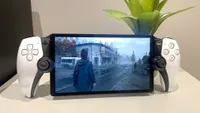
How to choose the best gaming console
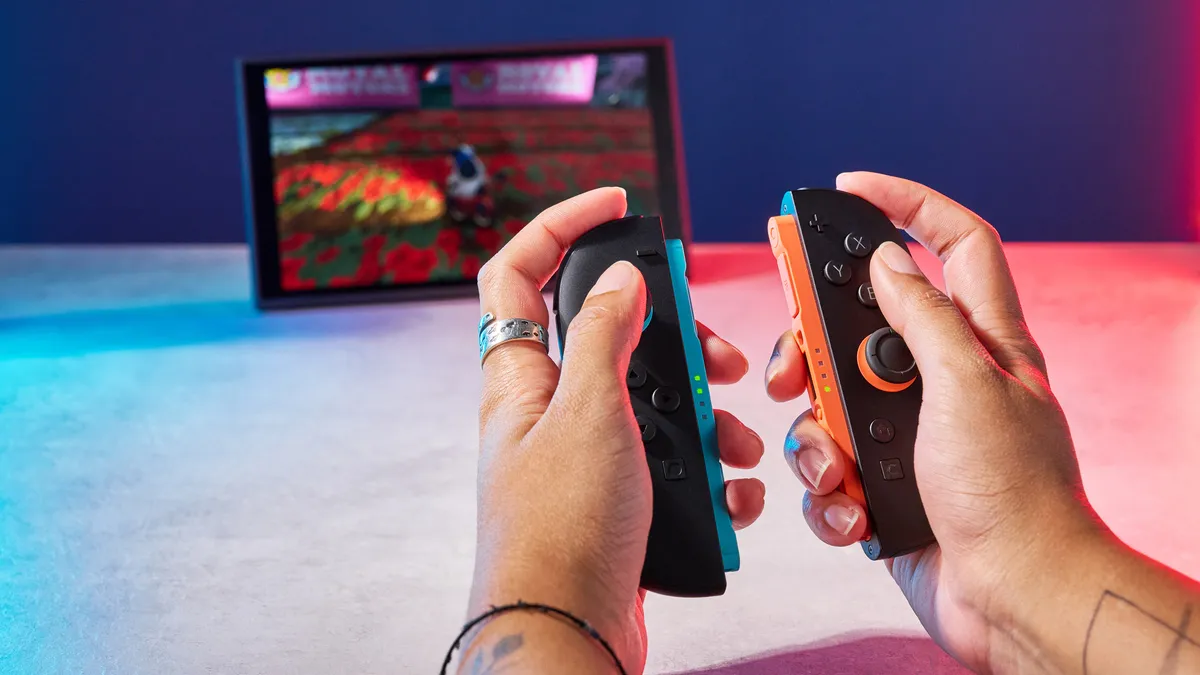
Choosing the right game console for your needs really boils down to how much you value cutting-edge tech and the amount of leisure time you have on your hands.
- If you only get a chance to play games on your commute to work or for an hour or so in bed at night, you should probably prioritize a machine you can game on the go with, like the Nintendo Switch 2 and Steam Deck.
- If you’re a hardcore gamer who spends most of your evenings with a controller glued to your hands, you’d be better off going with a PS5 Slim or Xbox Series X. If high-quality 4K graphics are important to you, those two consoles and even more powerful PS5 Pro are the machines to go for.
Lastly, consider what games you want to play. Generally speaking, you can easily dip in for quick gameplay sessions on many Nintendo Switch games, whereas the best-story-driven titles on PS5 require more time and emotional investment. Of the consoles above, the PS5 and Switch definitely have the best library of exclusive blockbuster games.
That said, Nintendo rarely drops the price of its first-party software (now up to $80), and PS5 games often cost $70. If you want to experience as many games for as little cash as possible, Xbox Series X and the digital-only Series S suddenly become very appealing thanks to Microsoft’s Game Pass subscription service (that's dropped in price after a cost rise, thankfully).
What's coming next
We here at Tom's Guide are always on console-watch, and as the end of a console generation cycle looms closer, we're getting ready for a new state of gaming systems from the major players on the console market, including PlayStation, Xbox and even Nintendo.
Here's a look at the latest updates on consoles to expect down the line:
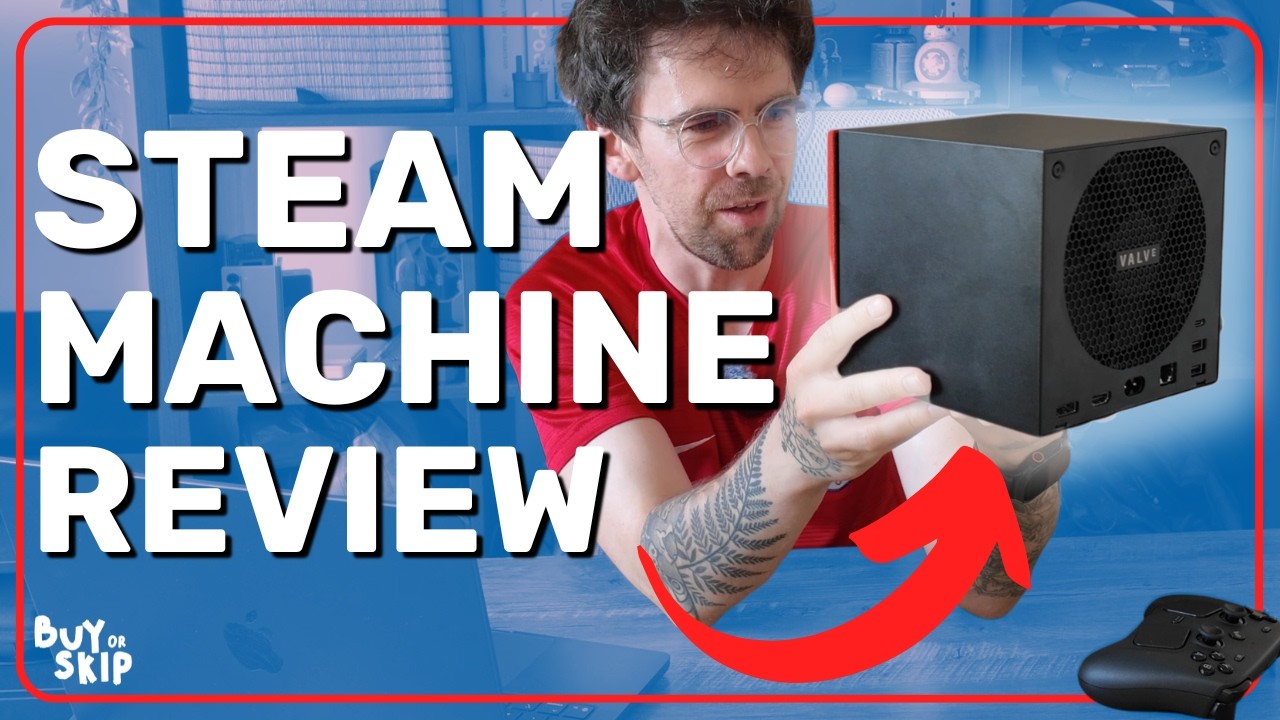
- Valve's Steam Machine is now on shelves, but it's not quite the price we all wanted it to be. Starting at $1,049 / £879 (and that's without the outstanding Steam Controller), it easily brings PC gaming to the couch, but its performance is a little too underwhelming for what you pay for. Of course, the RAM crisis is to blame here. Still, it nails the console niceties that a PC can’t do, so there are still perks to enjoy here. Here's how the Steam Machine and PS5 Pro compare.
- Sony is rumored to launch its PlayStation 6 in 2027, and the next-gen console could come in a unique lineup when released. Along with the standard PS6 console, we may see a PS6 S (or Lite) and a PS6 handheld. However, just like the Steam Machine, it's already looking to be a pricey console.
- Microsoft's next console is Project Helix, which is hinted to launch sometime in 2028. The next-gen console has been officially confirmed, and it aims to "lead in performance and play your Xbox and PC games," powered by a superpowered AMD chip.
- The Nintendo Switch 2 is officially confirmed to be getting a price hike. From September 1, the Switch 2 will be priced at $499, instead of its original $449 launch price. If you've been looking to grab one, better do it before prices rise!
- Speaking of, we've heard whispers of a Nintendo Switch 2 OLED model in the works, with a leaker showing "Switch 2 OLED middle frame" prototypes. This was in the "trial production research and development," so there's no telling if we'll ever see one, or when it may arrive. However, we've seen the Nintendo Switch OLED before, so it isn't completely unlikely.
How we test the best gaming console

Would you be surprised to know that we test gaming consoles by playing on each system for hours on end? That's exactly what we do, analyzing the performance, comfort, ease of use and library of games these consoles have to offer.
When it comes to traditional home consoles like the PS5 Pro and Xbox Series X, we mainly examine how quietly they run, judge just how good their games look on some of the best TVs and best gaming monitors, and evaluate the battery life of their first-party controllers. After that, it’s really all about the games. Here, we extensively play a number of titles across a wide variety of genres to give an impression of what type of gamer the console is best suited for, from 007 First Light or Resident Evil Requiem to Forza Horizon 6.
As for handheld consoles such as the Nintendo Switch 2 and Steam Deck, battery life is one of the key technical aspects we test, seeing how long they last depending on the level of screen brightness and how graphically demanding a game is.
Now, testing gaming consoles is a far less scientific process than reviewing the best gaming PCs or best gaming laptops. As modern consoles are fixed platforms, they provide more consistent (but normally lower) frame rates than a desktop rig that you can easily overclock for boosted performance.
