







The Apple AirPods continue to transcend the true wireless (TWS) category. Every version improves performance and usability. Flawless iOS integration has also made it possible for models running the H2 processor to extend functionality without upgraded hardware, including newer entries like the AirPods Pro 3 and AirPods 4 with ANC.
Almost every audio brand makes wireless earbuds to compete with the AirPods, and very few put up a good fight. Those that do can often miss the mark on the functionality front. In other words, they don’t have some of Apple’s innovative features at their disposal.
1. Personalized Volume

Auto-adjusted volume settings are available on several wireless earbuds. They just aren’t as effective as Apple’s Personalized Volume mode. This was designed to “understand environmental conditions and listening preferences over time,” creating a natural sound profile tailored to one’s listening habits. Think of it as breaking in the buds to achieve optimal sound output.
Results are noticeable after two weeks of use, at least based on my testing (the uptick in playback volume is appreciated). High-end audio brands like Bowers & Wilkins and Sony don’t need this setting because their audio technologies are on point. Everyone else does.
2. Accurate heart rate monitoring

Heart rate monitor on wireless earbuds isn’t a novel concept. Anyone remember the Bragi Dash? In fact, the feature isn’t even new to Apple earbuds; the Beats Powerbeats Pro 2 were first to employ this technology.
What makes HRM on the AirPods Pro 3 so special: integration and precision. The feature is compatible with every major third-party fitness app, plus it delivers the most accurate BPM (beats per minute) readings of any wireless earbuds with optical sensors.
It's shocking that Google hasn’t added HRM to the Pixel Buds series, especially after they acquired Fitbit and stopped production on the company’s fitness trackers. The Pixel 4 Watch has HRM, and we’re hoping it appears on the rumored Pixel Buds Pro 3.
3. Sleep Detection

Nearly all TWS models have an auto-pause function to stop music when removing the buds from your ears. Sleep Detection is practically an extension of this feature. The latest AirPods have sensors that can determine when someone is sleeping and automatically pause playback, while preserving battery life for both buds and the iPhone.
Apple’s technology monitors your breathing patterns and movements to determine whether you’re knocked out. As a daytime napper who often falls asleep with different sets of buds in his ears, I would greatly welcome the assistance.
4. The Hearing Health suite
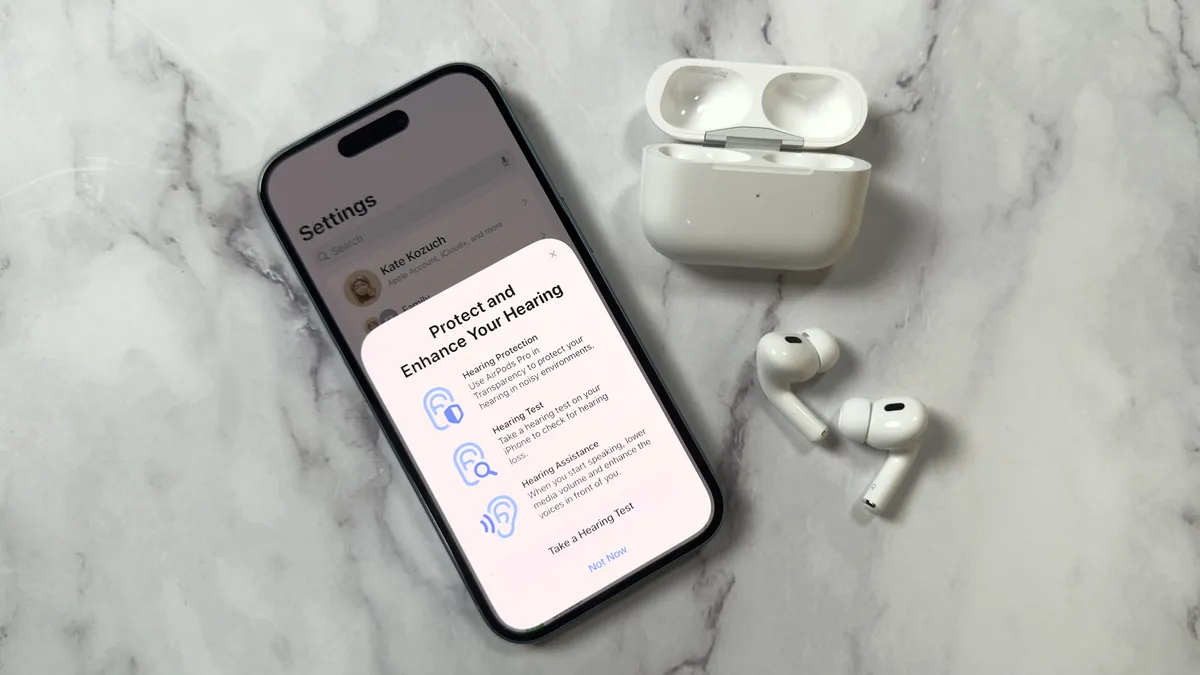
Apple spared no expense in transforming the AirPods into a clinical-grade hearing aid alternative. Its newly developed Hearing Aid mode assesses hearing thresholds across the frequency spectrum via a listening test to create a personalized sound profile. This makes vocals clearer for those with mild or moderate hearing loss, and it works exceptionally well. Hearing Protection mode is just as vital and reduces exposure to harmful decibel levels.
Meanwhile, other audio brands are selling over-the-counter hearing aids for about three times the price of the AirPods Pro 3, which is wild. They aren’t selling well either. Maybe it’s time they take these advanced hearing technologies and apply them to standard TWS releases.
5. Live Listen

Picture turning your iPhone into a live microphone that sends audio to your AirPods. That’s exactly what Live Listen does. It’s one of those forgotten iOS features that has been around since the AirPods II and is rarely used by Apple fans. You know what would happen if this feature was introduced on a top-ranked competitor (e.g., Bose QuietComfort Ultra Earbuds, Sony WF-1000xM5)? The reception would be positive, and non-Apple users would start to think of the ways they could use it as a spy tool.
Bonus: Loudspeaker capability

Smart cases are the new “it” accessory for wireless earbuds. Apple’s MagSafe charging case may pale in comparison to the multi-feature JBL Tour Pro 3 charging case with touchscreen. That doesn’t mean it’s not valuable. Having a built-in speaker that emits audio alerts to locate misplaced AirPods (when in the case) is an ingenious feature. We want it on all charging cases moving forward.
What doesn't Apple have?
Just for the record, I’m not saying Apple has the best true wireless feature set. All AirPods lack advanced Bluetooth technologies that enhance wireless audio (*cough* lossless audio *cough*).
None of them come with a dedicated EQ either; one must go through their phone settings or music streaming app to customize sound. Other notable omissions are Google Assistant support and multipoint technology for pairing the AirPods to two media devices at the same time.
Regardless, the AirPods have multiple game-changing features that would be perfect on other wireless earbuds.

Follow Tom's Guide on Google News and add us as a preferred source to get our up-to-date news, analysis, and reviews in your feeds.
More from Tom's Guide

