

The single biggest shopping day of the year is almost here, and you’ve probably seen many offers claiming to be some of the best iPhone Black Friday deals around. But before you make an impulsive decision, it’s worth knowing which of the current models is actually worth your money.
The beauty of Apple’s current lineup is that it’s the most diverse it’s ever been, covering different form factors and budgets — so I’m pitting the iPhone 17, 17e, Air, 18 Pro, 18 Pro Max, and Duo against each other. With Black Friday deals rolling out across major carriers and retailers, it’s pretty tricky determining which one of them is the right fit.
Having tested all of them, I’ll break down which iPhones are actually worth your money this Black Friday.
iPhone 17e vs. iPhone 17 vs. iPhone 18 Pro vs. iPhone 18 Pro Max vs. iPhone Duo: Specifications
| Header Cell - Column 0 | iPhone 17e |
iPhone 17 |
iPhone Air |
iPhone 18 Pro |
iPhone 18 Pro Max |
iPhone Duo |
|---|---|---|---|---|---|---|
Price |
$699 |
$899 |
$1,099 |
$1,199 |
$1,299 |
$1,999 |
Main Display |
6.1-inch Super Retina XDR display (2,532 x 1,170) |
6.3-inch Super Retina XDR (2,622 x 1,206) |
6.5-inch Super Retina XDR (2,736 x 1,260) |
6.3-inch Super Retina XDR display (2,622 x 1,206) |
6.9-inch Super Retina XDR display (2,868 x 1,320) |
7.6-inch Super Retina XDR (1,878 x 2,670) |
Outer Display |
N/A |
N/A |
N/A |
N/A |
N/A |
5.4-inch Super Retina XDR (1,398 x 2,034) |
Processor |
A19 |
A19 |
A19 Pro |
A20 Pro |
A20 Pro |
A20 Pro |
Storage |
256GB, 512GB |
256GB, 512GB |
256GB, 512GB, 1TB |
256GB, 512GB, 1TB, 2TB |
256GB, 512GB, 1TB, 2TB |
256GB, 512GB, 1TB, 2TB |
RAM |
8GB |
8GB |
12GB |
12GB |
12GB |
12GB |
Front Cameras |
12MP (f/1.9) |
18MP (f/1.9) |
18MP Center Stage (f/1.9) |
18MP Center Stage camera (f/1.9) |
18MP Center Stage camera (f/1.9) |
12MP Center Stage outer (ƒ/2.2), 1080p under-display FaceTime inner camera (f/1.8) |
Rear Cameras |
48MP (f1.6) main |
48MP main (f/1.78), 48MP ultrawide (f/2.2) |
48MP (f/1.6) main |
48MP main with variable aperture (f/1.48, f/1.8, f/2.8, f/4), 48MP ultrawide (f/2.2), 48MP telephoto w/4x optical zoom (f/2.8) |
48MP main with variable aperture (f/1.48, f/1.8, f/2.8, f/4), 48MP ultrawide (f/2.2), 48MP telephoto w/4x optical zoom (f/2.8) |
48MP main (f/1.6), 48MP ultrawide (f/2.2) |
Battery Size |
4,005 mAh |
3,692 mAh |
3,149 mAh |
4,288 mAh |
5,567 mAh |
4,883 mAh |
Size |
5.78 x 2.82 x 0.31 inches |
5.89 x 2.81 x 0.31 inches |
6.15 x 2.94 x 0.22 inches |
5.91 x 2.83 x 0.34 inches |
6.43 x 3.07 x 0.34 inches |
6.48 x 4.64 x 0.21 inches open, 3.31 x 4.64 x 0.44 inches closed |
Weight |
5.96 ounces |
6.24 ounces |
5.82 ounces |
7.44 ounces |
8.78 ounces |
8.96 ounces |
IP Rating |
IP68 |
IP68 |
IP68 |
IP68 |
IP68 |
IP68 |
Colors |
Black, White, Soft Pink |
Black, White, Mist Blue, Sage, Lavender |
Space Black, Cloud White, Light Gold, Sky Blue |
Black, Silver, Glacier, Burgundy |
Black, Silver, Glacier, Burgundy |
Night Sky, Star White |
Apple iPhone 17e


Frankly, the iPhone 17e is the one I’d recommend buying the least. What makes it an even tougher sell is that it launched at $599 earlier this year, but has since been given a $100 price hike that brings it to $699. Despite that, the iPhone 17e remains the most affordable entry point into Apple’s current lineup if you’re buying unlocked without any carrier deals or bundles attached.
It covers the basics of what I’d want in a modern iPhone, like 256GB of starting storage, all-day battery life, speedy A19 performance, and a pocket-friendly build. Even though it runs iOS 27 just like all the others, it doesn’t make the cut for Siri AI — which is a bummer if you want a smarter, more proactive assistant. At the same time, it’s the only iPhone in the stable that is still stuck with a 60Hz refresh rate.


In terms of utility, you’re only getting a single 48MP main camera on the back — though I can’t overlook the fact that it performs well above average, including in low light. In fact, I was surprised in my iPhone 17e vs Pixel 10a face-off how its single rear camera held up.
But as I said at the beginning, I can’t recommend getting this one knowing that the next model in the lineup exists.
Apple iPhone 17
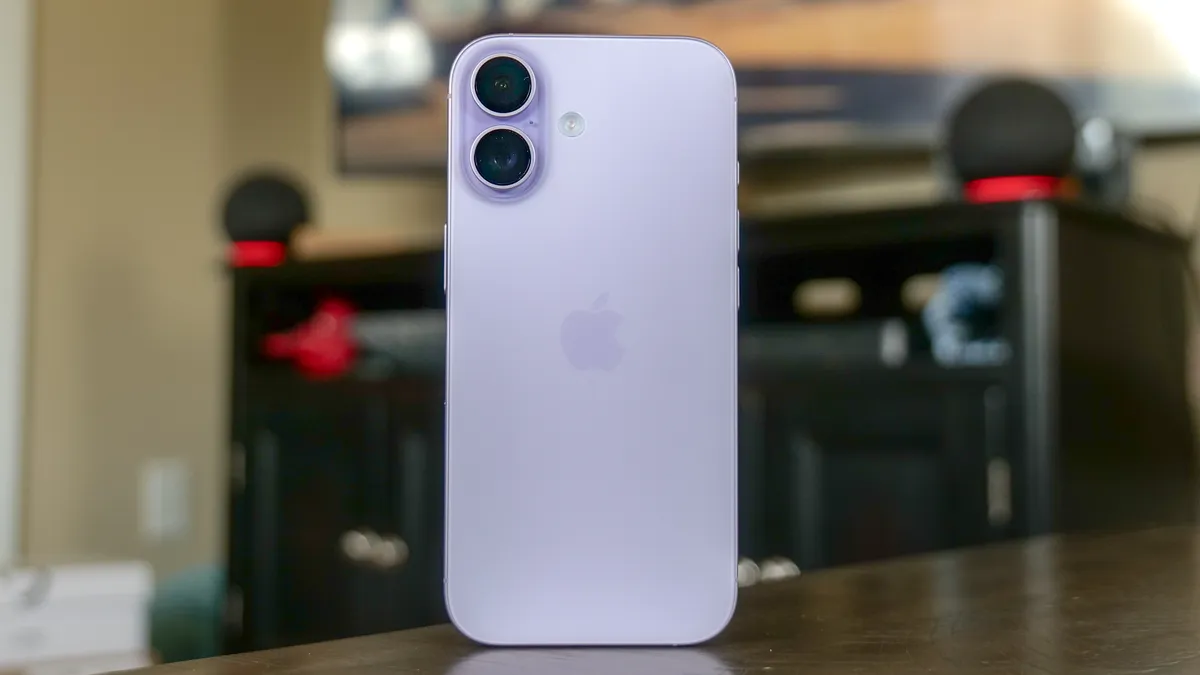
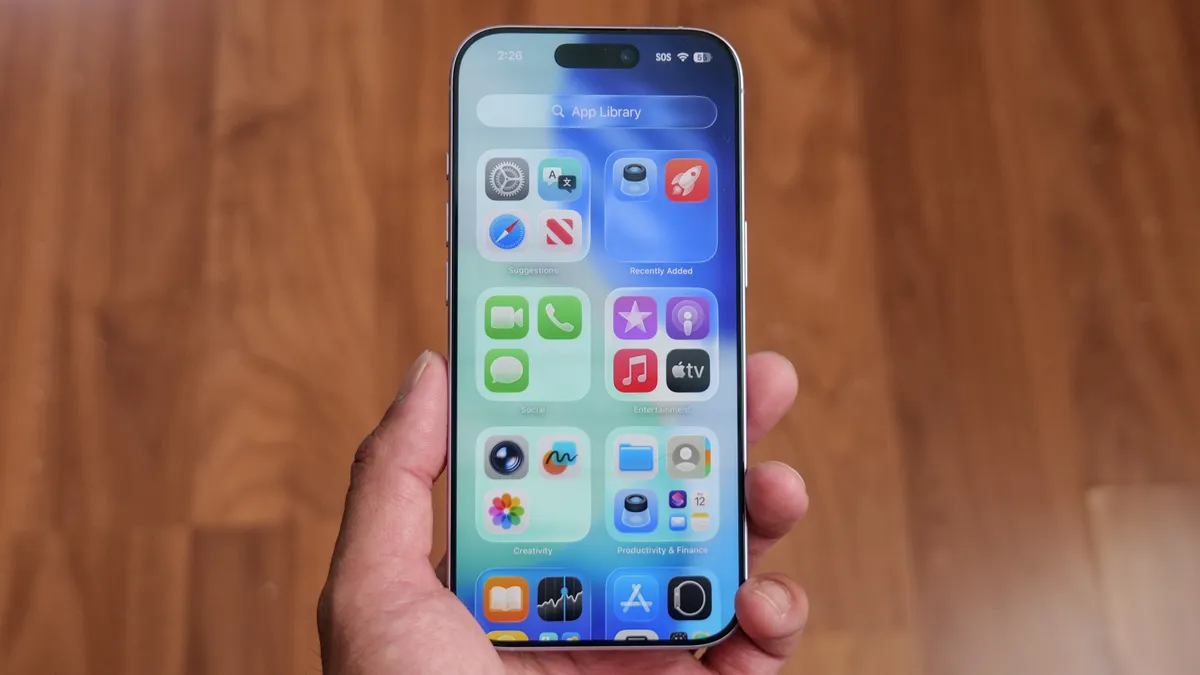


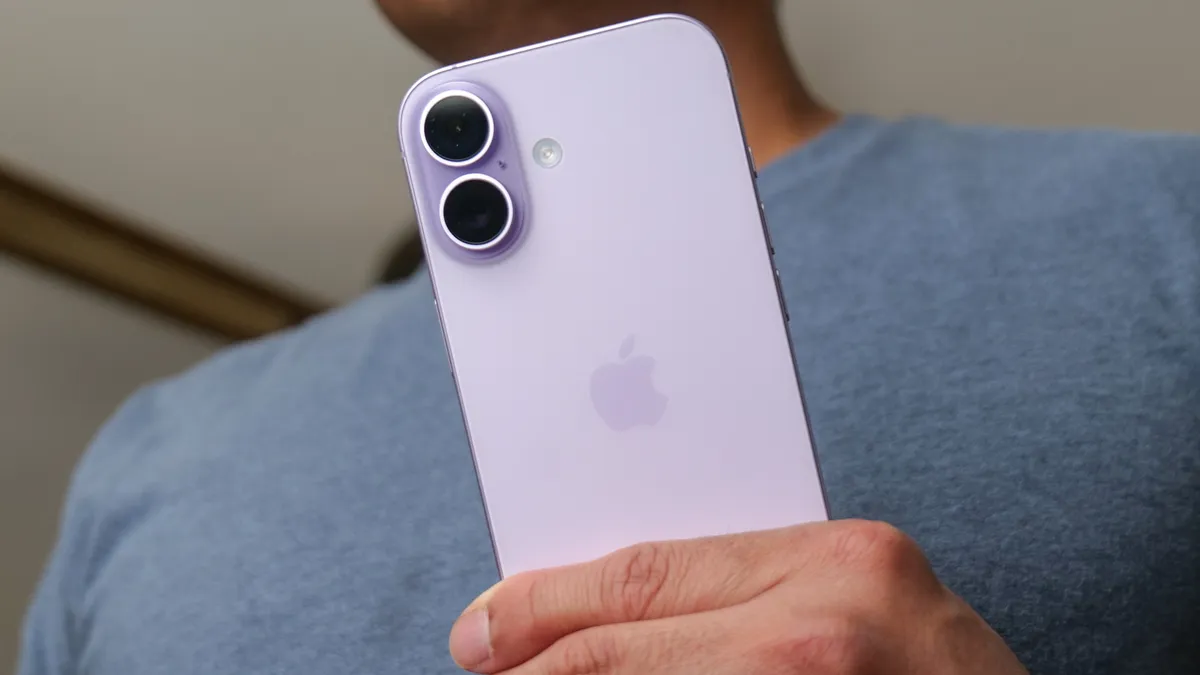


If there’s one model in the lineup that hits the sweet spot for almost everyone, it’s the iPhone 17 — and yes, it too got a $100 price hike a couple of months back that now puts it at $899. Even with that increase, it’s easy for me to recommend for a number of reasons.
For that small jump over the iPhone 17e, you get a vastly smoother 6.3-inch 120Hz ProMotion display, faster 35W wired and 25W MagSafe charging, and way better color options to choose from. Sure, it’s running the same A19 chip as the iPhone 17e, but its faster 120Hz refresh rate makes a huge difference in making UI animations look and feel smoother.


More importantly, the iPhone 17 delivers a far more satisfying camera experience. Pairing its 48MP main sensor with a dedicated 48MP ultrawide lens, this setup gives me more creative flexibility with my shots. I’ve broken down everything about them in my iPhone 17 vs. iPhone 17e face-off, which resulted in a lopsided win for the iPhone 17.
Apple iPhone Air


When it launched, I had so much excitement and buzz for the iPhone Air — until I actually started using it. As impressive as its 5.6mm titanium frame feels in the hand, the iPhone Air is another model that’s tough for me to recommend — especially now that Apple’s $100 price hike pushes its starting cost to a steep $1,099.
You’re paying a serious premium strictly for thinness, while getting less functionality compared to the rest of the group. It doesn’t help either that the iPhone 17 sits below it at $200 less.


The biggest trade-offs show up in daily use. Even though you get a gorgeous 6.5-inch 120Hz OLED display and speedy A19 Pro performance, its battery capacity is dramatically limited by its razor-thin profile — resulting in noticeably shorter battery life and slower charging than the rest of the lineup. Worse yet, it’s also stuck with just a single 48MP rear camera like the iPhone 17e. You don’t get an ultrawide lens, no macro shots, or definitely no telephoto zoom on a phone that costs $1,000-plus. We've even put its camera to the test against the iPhone 17e and I was shocked by how the iPhone Air barely came out on top.
Don’t get me wrong, I miss the days of thin and light phones, but when I’ve gotten accustomed to modern phones that pack dual cameras and easily get me through an 8-hour work shift without worrying about running out of juice, it’s so hard to go back to anything less.
Apple iPhone 18 Pro and 18 Pro Max


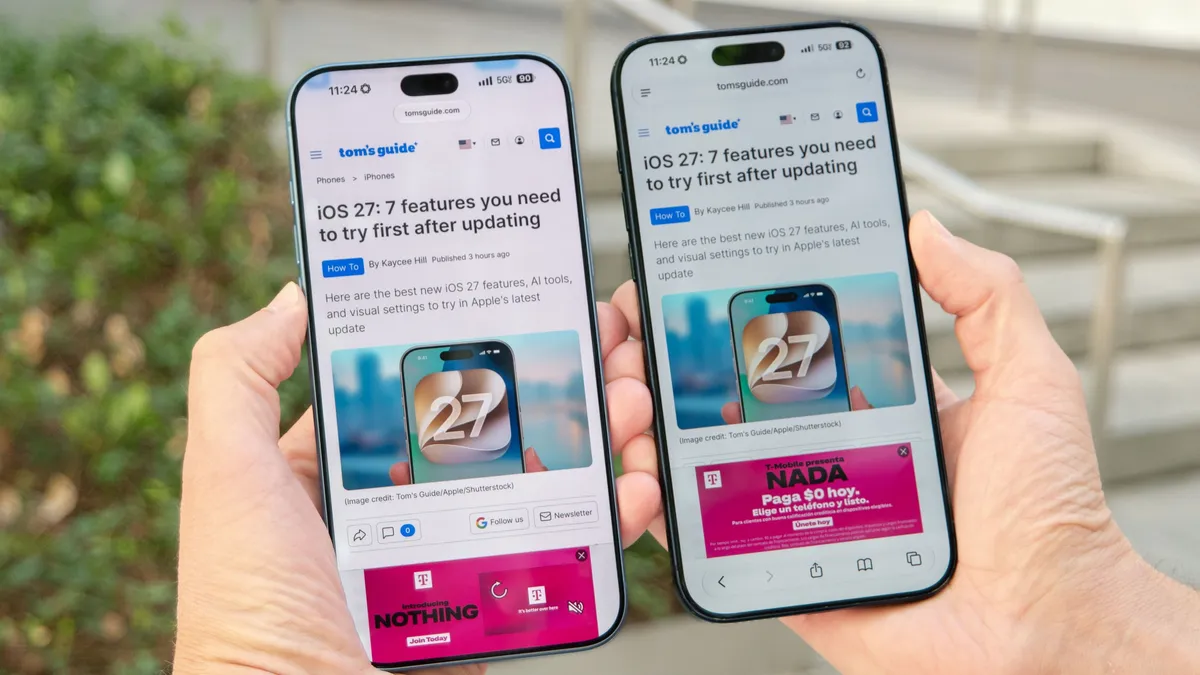

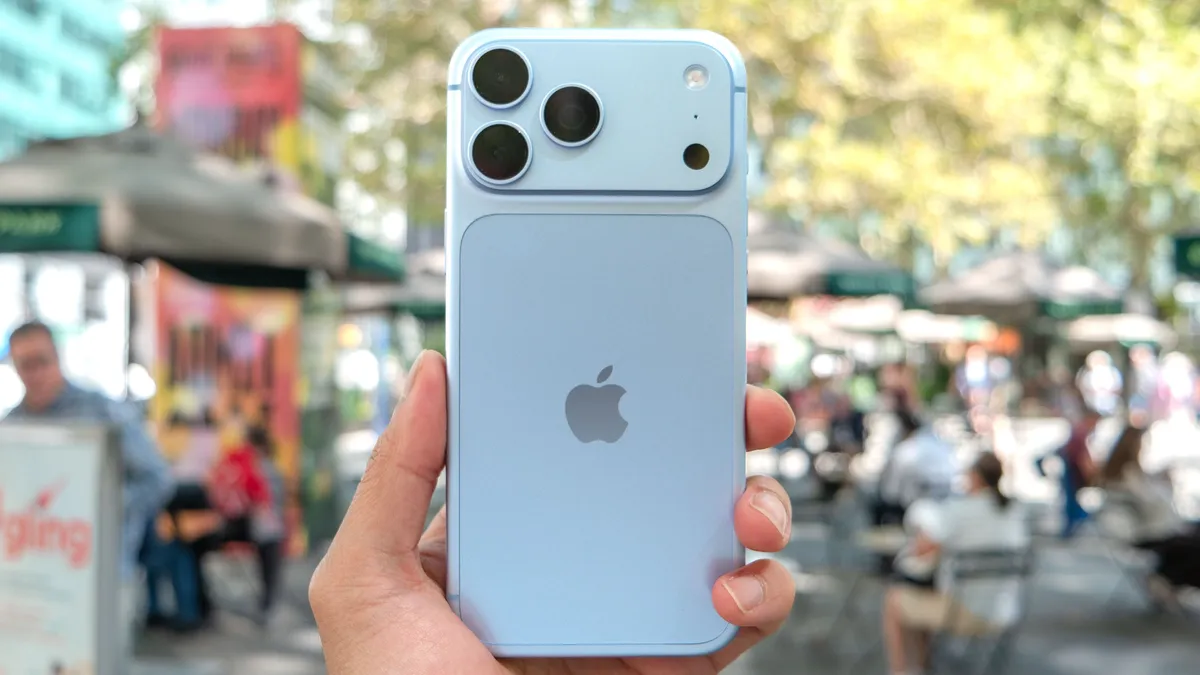


Without question, I’d recommend looking out for Black Friday deals on the iPhone 18 Pro and 18 Pro Max. If you want the best of what Apple makes, both the $1,199 iPhone 18 Pro and $1,299 iPhone 18 Pro Max earn an easy recommendation from me. Yes, Apple hit both models with a $100 price hike this year and added a bit of heft — but they justify their premiums.
For starters, they’re packing a blazing-fast A20 Pro chip under the hood, offering access to the full Siri AI suite, and sporting a triple-48MP camera system headlined by a versatile new variable-aperture main lens.





No matter which one you end up getting, I love the fact that Apple still gave both phones identical camera hardware, 60W wired charging, and Pro Controls that make them more of a photographer’s camera. While the larger iPhone 18 Pro Max inherently has the bigger screen and battery, I personally find the smaller iPhone 18 Pro much easier to handle. Ultimately, choosing between them comes down purely to size preference.
Either way, you won’t question the decision to buy either one. And quite frankly, they’re well worth the cost over the iPhone Air.
Apple iPhone Duo
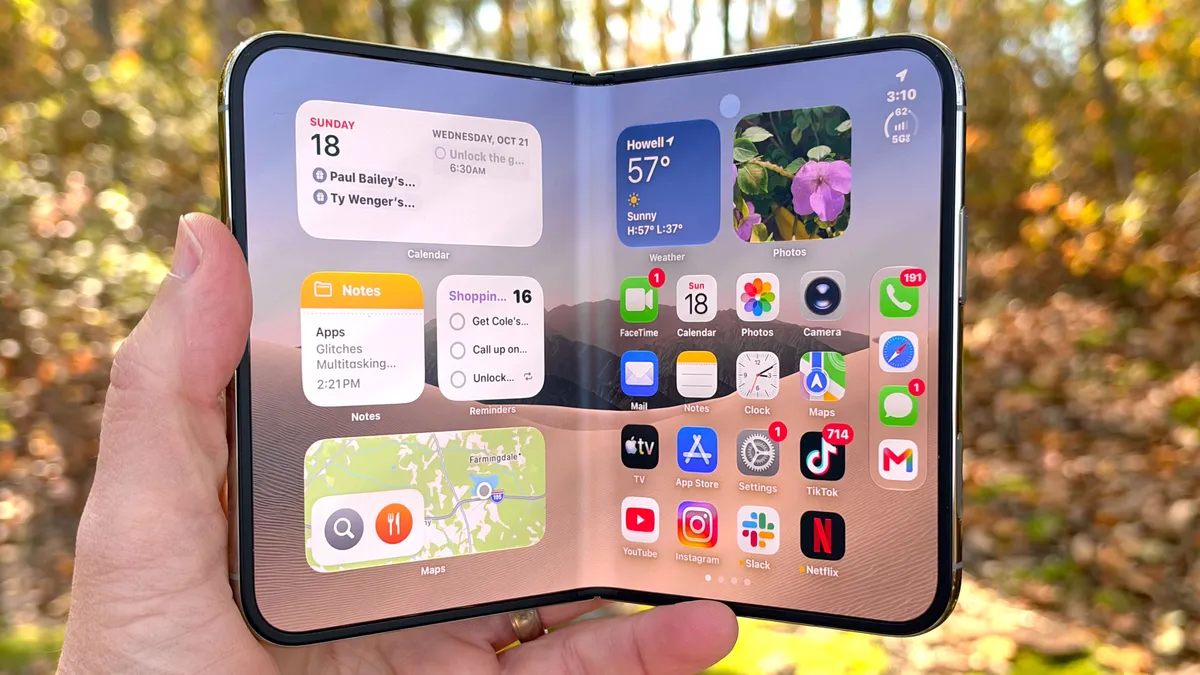


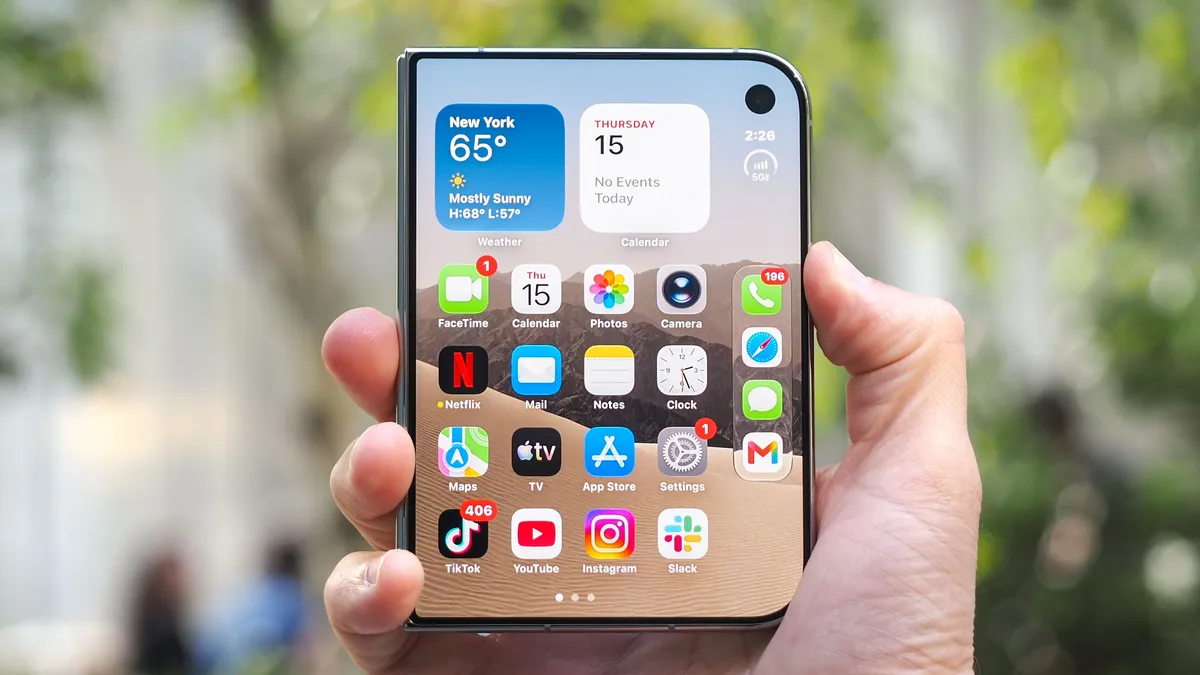


Apple’s first foldable is easily the most exciting iPhone in years, and despite its steep $1,999 starting price, I still recommend buying it if you want a compact phone that unfolds into a mini tablet. Its sturdy titanium frame, nearly invisible crease, and nano-texture inner display, make it feel far more refined than a typical first-generation device.
Having a pocketable 5.4-inch outer screen is great for when I want to use it one-handed, and I also love how it opens into a 7.6-inch canvas unfolded with intuitive split-screen multitasking in iOS 27. Not only does its unique design make it perfect for creators who want to shoot videos of themselves by pairing the outer screen with the superior rear cameras, but it’s also an absolute powerhouse for everyday productivity — something none of the others can match to the same degree.









Of course, you still have to accept a few trade-offs compared to the $1,299 iPhone 18 Pro Max. You’re giving up Face ID, a dedicated telephoto zoom lens, no variable aperture, and no Pro Controls, while some third-party apps still aren’t fully optimized for the wider inner display.
Even with those compromises, nothing else in Apple’s lineup matches the Duo’s versatility — and if you can soften the blow with a Black Friday trade-in deal, I don’t think you’ll regret the purchase.
iPhone 17e vs. iPhone 17 vs. iPhone 18 Pro vs. iPhone 18 Pro Max vs. iPhone Duo: Benchmarks
iPhone 17e vs. iPhone 17 vs. iPhone 18 Pro vs. iPhone 18 Pro Max vs. iPhone Duo: Display tests
| Row 0 - Cell 0 | Peak brightness (nits) |
sRGB (%) |
DCI-P3 (%) |
Delta-E color accuracy (lower is better) |
iPhone 17e |
1,002 |
126.5 |
89.6 |
0.21 |
iPhone 17 |
1,505 |
111.3 |
80.2 |
0.20 |
iPhone Air |
1,678 |
111.1 |
78.7 |
0.27 |
iPhone 18 Pro |
2,314 |
115.2 |
81.6 |
0.19 |
iPhone 18 Pro Max |
2,326 |
115.4 |
81.8 |
0.26 |
iPhone Duo |
2,558 |
117.9 |
83.5 |
0.27 |
When it comes to outdoor visibility, the iPhone Duo takes the crown with a blinding peak brightness of 2,558 nits. It’s an intriguing find because of its nano-texture display. While it’s still viewable outdoors, it lacks the contrast and vibrant color tones of the Pro models — with the iPhone 18 Pro Max and iPhone 18 Pro topping out at an impressive 2,326 nits and 2,314 nits, respectively.
Stepping down to the middle of the pack, the iPhone Air reached 1,678 nits, while the standard iPhone 17 hit 1,505 nits. I think both are plenty bright for everyday outdoor use. Unsurprisingly, the iPhone 17e trails the entire group at 1,002 nits.
iPhone 17e vs. iPhone 17 vs. iPhone 18 Pro vs. iPhone 18 Pro Max vs. iPhone Duo: Performance tests
| Row 0 - Cell 0 | Chipset |
Geekbench 6 (single-core/multi-core) |
3DMark Wild Life Original Unlimited (score/fps) |
iPhone 17e |
A19 |
3,606 / 9,229 |
18,533 / 110.9 |
iPhone 17 |
A19 |
3,701 / 9,460 |
21,873 / 130.97 |
iPhone Air |
A19 Pro |
3,723 / 9,665 |
22814 / 136.63 |
iPhone 18 Pro |
A20 Pro |
4,735 / 12,800 |
38,667 / 231.57 |
iPhone 18 Pro Max |
A20 Pro |
4,741 / 12,789 |
38,474 / 230.37 |
iPhone Duo |
A20 Pro |
4,722 / 12,708 |
36,515 / 218.6 |
Our benchmark testing draws a clear line between Apple’s A19-powered models and the newer A20 Pro flagships. The iPhone 18 Pro, 18 Pro Max, and iPhone Duo all run on the A20 Pro chip — and, as a result, deliver class-leading CPU speeds, with Geekbench 6 scores clustering tightly around 4,700 single-core and 12,700 multi-core.
On the graphics front, the iPhone 18 Pro edges out the pack in 3DMark Wild Life Original Unlimited with a score of 38,667, just ahead of the 18 Pro Max at 38,474 and the Duo at 36,515.
Meanwhile, the A19-equipped iPhone 17e and iPhone 17 trail noticeably behind in both CPU and GPU performance, while the A19 Pro inside the iPhone Air offers only a slight uptick over the standard 17. Even so, all three handle everyday apps effortlessly.
iPhone 17e vs. iPhone 17 vs. iPhone 18 Pro vs. iPhone 18 Pro Max vs. iPhone Duo: Battery tests
Average Battery life (Hrs:Mins) |
Charging % in 15 minutes |
Charging % in 30 minutes |
|
iPhone 17e |
12:35 |
31% |
59% |
iPhone 17 |
12:47 |
39% |
71% |
iPhone Air |
12:02 |
39% |
71% |
iPhone 18 Pro |
16:17 |
53% |
80% |
iPhone 18 Pro Max |
18:27 |
44% |
77% |
iPhone Duo |
13:20 |
42% |
66% |
If battery endurance is important to you, the iPhone 18 Pro and Pro Max truly separate themselves from the rest of the pack. In our battery test, the iPhone 18 Pro Max led the way with an average of 18 hours and 27 minutes, while the smaller iPhone 18 Pro wasn’t far behind at 16 hours and 17 minutes.
Meanwhile, the rest of the lineup clusters tightly around the 12.5- to 13.5-hour mark. The iPhone Duo edges out the non-Pro models at an average of 13 hours and 20 minutes, while the iPhone 17 and iPhone Air came in at over 12 hours.
iPhone 17e vs. iPhone 17 vs. iPhone 18 Pro vs. iPhone 18 Pro Max vs. iPhone Duo: Bottom Line

At the end of the day, I recommend looking out for Black Friday deals on the iPhone 17, iPhone 18 Pro, 18 Pro Max, and the iPhone Duo. While the iPhone 17 is a great entry point for everyday users and the iPhone Duo delivers unmatched foldable versatility, the iPhone 18 Pro takes the crown as the best overall balance and value of the bunch.
You get the exact same blazing-fast A20 Pro performance, variable-aperture triple-camera system, and speedy 60W charging as the pricier iPhone 18 Pro Max — all in a much easier-to-handle size that saves you $100 upfront. Unless you specifically crave a massive screen or a folding display, the iPhone 18 Pro is the one I’d look out for Black Friday.

Follow Tom's Guide on Google News and add us as a preferred source to get our up-to-date news, analysis, and reviews in your feeds.
More from Tom's Guide