Every Disney employee — or as the company calls them, a “cast member” — goes through extensive training on the Disney way. To this day, I still pick up random pieces of trash or my kids’ toys using the “Disney swoop” — a simple bend at the knee, reaching down without breaking stride. And if I see a person taking a photo of a group, I instinctively ask if they’d like me to take it so they can be in the shot.
That DIsney "magical moments" mindset is ingrained in me to my core.
Although I cover all things AI now, I'm a former Disney cast member — both in the parks and later as part of a team of writers — so, I personally know Disney doesn’t just protect its image down to the way garbage is picked up. It curates the magic. Every interaction, every costume, every character gesture is intentional. There’s a reason cast members don’t “break character,” and why even the smallest creative changes go through intense layers of approval. The brand represents far more than entertainment. It’s about experience.
That’s why Disney’s $1 billion deal with OpenAI gave me pause. I was initially stunned (I think we all were), but the more I thought about it and reflected on my Disney days, I realized this follows their playbook.
Why the $1B deal actually makes sense
On paper, it reads like a standard tech headline: Disney invests $1B in OpenAI and licenses hundreds of characters for AI-generated video and images. But from an inside-looking-out perspective, this move feels far more calculated — and far less reckless — than critics assume. I’ll admit, my first reaction was panic. Wait… does this mean we’re going to see user-generated content of Mickey vaping? I genuinely shuddered at the thought.
But hear me out.
This isn’t Disney “giving up control” to AI. It’s Disney choosing where and how that control lives next. Because, frankly, the internet has already found ways to butcher beloved Disney characters. This deal doesn’t invite anarchy — it contains the potential for mayhem. By stepping in now, Disney isn’t loosening the reins. It’s tightening them because AI is coming for entertainment.
Disney has always been technology-first

One thing people forget is that Disney has always used advanced technology. Long before AI the company was quietly pushing boundaries through innovations like audio-animatronics, motion capture and virtual production.
Rather than fighting generative AI from the sidelines or sending endless cease-and-desist letters, Disney is doing what it’s always done best: bringing disruptive tech inside the tent and setting the rules itself. That’s a very Disney move.
Disney pioneered lifelike robotic characters decades ago, adopted performance capture to preserve emotional realism in animation and film, and later transformed theme parks with MagicBands and RFID systems that enabled real-time personalization years before “ambient computing” became a buzzword.
Behind the scenes, Disney also uses machine learning to manage crowd flow and wait times, while Lucasfilm’s technology reshaped modern filmmaking by placing actors inside real-time digital environments instead of green screens. In every case, the approach was the same: bring cutting-edge technology in-house, shape it to Disney’s standards and only deploy to enhance the experience. How do I know this? I took classes on the “Disney way of business” from Walt Disney University and earned my Mouseters degree (I am proud to say that I’m not even joking).
From animatronics to motion capture to virtual production, Disney routinely adopts cutting-edge tools — but only after they’ve been shaped to fit Disney’s standards, not the other way around. Even something as simple as how a character waves or speaks is governed by rules designed to protect emotional continuity.
Seen through that lens, partnering with OpenAI makes sense. Rather than fighting generative AI from the sidelines or sending endless cease-and-desist letters, Disney is doing what it’s always done best: bringing disruptive tech inside the tent and setting the rules itself.
That’s a very Disney move.
Why Sora makes sense

What really changes the equation here isn’t AI-generated images — it’s video.
Sora gives Disney something it hasn’t had before: a way to let fans create short-form, character-driven moments without handing over the keys to their magic kingdom. It’s about controlled creativity — fan expression within boundaries Disney defines.
As a cast member, I learned that Disney loves participation — as long as it’s guided. Parades, meet-and-greets, interactive rides — they’re all structured experiences that feel spontaneous while being anything but. Trust me, they make it look like pixie dust, but it's a lot of hard work.
Sora fits that philosophy almost perfectly.
This feels like risk management
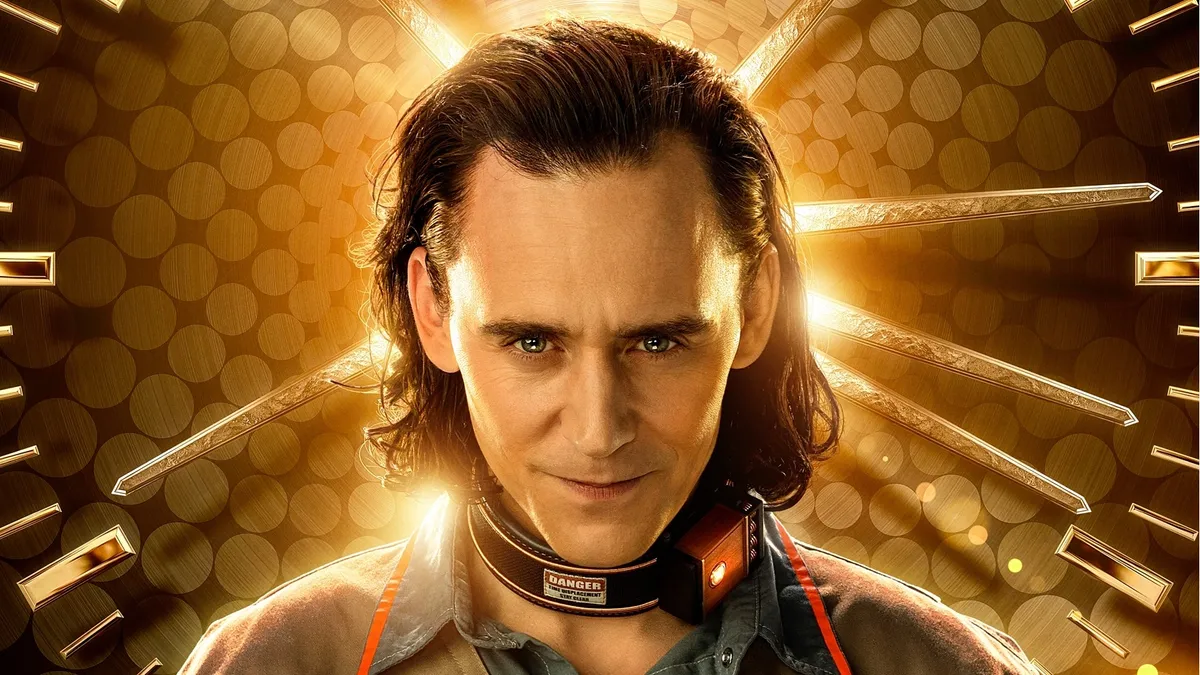
A lot of creators are understandably nervous about AI and IP. I’ve thought about this a lot, and from where I’m sitting, this deal feels less like surrender and more like containment.
By officially licensing characters to OpenAI, Disney reduces the incentive for unauthorized, lower-quality knockoffs elsewhere. It sets expectations for what’s allowed, what’s not and what “Disney-level” AI output should look like.
And crucially, the deal doesn’t include actors’ likenesses or voices. That promise, one Disney has historically guarded fiercely, remains intact. As someone who’s worn the badge, that restraint speaks volumes.
Final thoughts
When you work at Disney, you’re taught that every guest interaction shapes how people feel about the brand — sometimes for life. That mindset doesn’t disappear when you leave.
So when I look at this deal, I don’t see Disney abandoning its values. I see it extending them into a world where AI-generated content is inevitable, whether the company participates or not.
Disney has made a $1B bet on staying relevant without losing its identity — and doing it on its own terms. From a former cast member’s perspective, that’s not surprising at all.
More from Tom's Guide
- GPT‑5.2 is way smarter than I expected — these 9 prompts prove it
- I compared NotebookLM vs. Audio Overviews vs. Illuminate — here's how to use Google's best AI audio tools
- I tested ChatGPT-5.2 and Claude Opus 4.5 with real-life prompts — here’s the clear winner
Follow Tom's Guide on Google News and add us as a preferred source to get our up-to-date news, analysis, and reviews in your feeds.