It feels like the best smart rings and wearable gadgets are ever evolving, which can make it hard to know which is the best wearable for you and your sleep, health and fitness tracking.
I’ve personally always stuck by the Oura Ring, and currently wear the Oura Ring 4. What I love most is that it doesn’t really matter which ring you have when it comes to the app content, which offers most of the same features to every member.
The brand doesn’t believe in becoming a sitting duck either, and while the competition continues to heat up as we shift toward 2026, Oura has been busy developing.
The Oura Ring is still miles ahead of the competition, in my opinion, but if you are thinking about buying an Oura Ring for the first time or simply aren’t sure if you're using your ring the best way, here are my three must-try features you should consider using more often and during the holidays.
1. AI-powered heart rate and recovery tracking

Oura users can record their workout heart rates, access live readings and track heart rate data, including Heart Rate Variability (HRV) and resting heart rate. This isn't really news.
What is less commonly known is that your Oura Ring could be key to better recovery if you know which metrics to focus on. Your heart rate reveals insights into stress resilience and your overall cardiovascular health, and Oura can assess how your heart rate data looks over the weeks, months and years, especially your resting heart rate, which I recently tested for myself.
How to use it:
- Open the Oura app
- Tap the three lines in the top left corner
- From the menu, select Trends
- Tap Heart Rate Variability
- Toggle between days, weeks, months and years and view your data as a trend on the graph.
You can also ask Oura’s AI advisor to find and summarize the data for you (which I did). On your Today tab, tap the + sign at the bottom right of the app, then select Advisor. Be specific with your requests to access the most accurate data.
The Oura Ring tracks your heart rate using sensors; on the Ring 4, these are recessed and have been updated for even better accuracy, but whichever model you have, the ring measures blood flow in your finger to look at shifts in your heartbeats.
Oura can capture your lowest resting heart rate, nighttime recovery and cardiovascular balance, all of which play into resilience and recovery trends. It is well worth checking this feature out if you are interested in recovery and heart health over time.
When I tested it, Oura split my heart rate data into weekly averages and could compare weeks against each other, which is handy if you want to look at how your resting heart rate and recovery fluctuate over the holidays, which can be either faster or slower-paced for many.
I also asked the Oura Advisor to look at my sleep and stress data during the same period to see how my body was coping. Thankfully, when comparing a period of heavy workload and social activity, my lowest heart rate data remained steady, which can indicate stable recovery and consistency. On the flipside, any major shifts in your patterns can indicate that your recovery might need a closer look.
If you want to see how your body is coping with significant change or lifestyle choices, this is the feature to try.
If you plan to look at your heart rate data trends, the Oura Ring sits at the top of the accuracy range and corresponds "nearly perfectly" with ECG values, which are the gold standard for measuring heart rate.
2. Symptom Radar

A year ago, on December 5, 2024, members gained access to a game-changing health feature called Symptom Radar. I reported how much I loved the Symptom Radar feature for flagging up health concerns for me before I even knew how my body felt.
Symptom Radar assesses biometric data every morning for early signs of strain, including common cold, stress, or flu symptoms. The feature also helps you monitor which biomarkers have changed, and Oura will give severity levels: no signs, minor signs and major signs.
You can track this in-app and look at which markers look out of balance, then head to Oura’s AI Advisor to delve into the data. While it might not always come to anything (it could just be a few late nights or heavy meals before bedtime, throwing out your metrics), I have found Oura’s predictions nearly always spot on, whether it’s stress-related or a cold creeping up on me.
While it doesn’t fix the issue by viewing the data, it does help you tailor your lifestyle choices accordingly, like going to bed earlier, taking a warm bath, staying away from alcohol, or shifting your workout schedule.
How to use it:
- Tap the Today tab of your app
- Scroll to Symptom Radar
- Tap to view more
3. Stress tracking
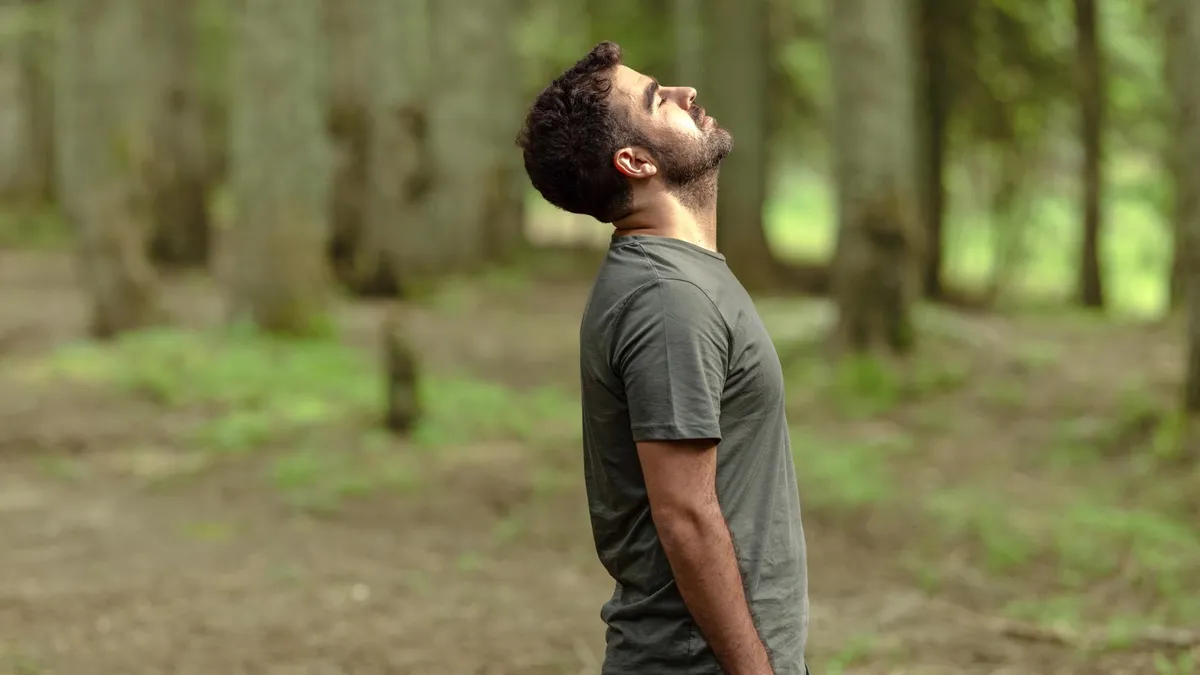
One of the big draws of the Oura Ring is its ability to detect stress throughout the day and provide a daily and weekly report on stress levels; this also feeds into your readiness and resilience scores.
Oura’s Daytime Stress feature launched in 2023, and it’s still one of my favorite evolving features. By tracking your stress throughout the day (the data can refresh in-app every 15 minutes and starts two hours after waking), you can see how workload, social interactions, stressful situations and even workouts impact how your body deals with stress.
Oura uses biometrics like nighttime heart rate variability (HRV) and body temperature to detect stress in the body, providing feedback as restored, relaxed, engaged, or stressed. However, it's worth noting that high-intensity workouts can act like a cortisol cocktail on the body and temporarily elevate stress levels, so always contextualize this feedback for your lifestyle.
I’ve continued to use my Oura Ring to manage stress, along with the Stress Resilience tool for mapping and improving it; you can use these features to delve into trends and potential causes.
Here’s everything you need to know about these Oura Ring features. And if you’re looking for some ways to reduce daily stress in your life, you can access breathwork and meditations through Oura, too.
Bottom line
Oura doesn’t prescribe, diagnose, or cure, but these features still help to contextualize physical and mental fluctuations in your body and map your unique health journey.
Taking some time during the holidays to test these features could set you up for a happier, healthier 2026, while helping you to keep a closer eye on your relationship with exercise, sleep and stress.

Follow Tom's Guide on Google News and add us as a preferred source to get our up-to-date news, analysis, and reviews in your feeds.
More from Tom's Guide
- Oura Ring 3 vs Oura Ring 4
- Oura Ring 3 vs Whoop 4.0: Which is the best fitness tracker?
- Oura Ring vs Ultrahuman Ring Air.