We've rounded up the best cooling mattresses you can buy online to fight night sweats
At this time of year, sticking your foot out of bed can feel like entering the Arctic tundra, so it's no wonder we're all cranking the heat up in the morning. But if you've started waking hours before your alarm and you're not sure why, the problem could lie with your thermostat.
As the bedroom warms your temperature rises, telling your body clock that it's time to wake up. This sleep disruption can happen if you've left the heat on all night or set it to start too early.
But feeling too cold in bed can also result in unwanted wake ups. So we asked the experts: what's better, sleeping with the heat on or setting your smart thermostat to wake you up warm? Here's what we found out — and which is better for your budget.
Why your thermostat might be waking you up
"For most people, it makes sense for both health and economic reasons to turn the temperature down during the night when you're sleeping," explains Dr. Jacob Teitelbaum, expert in chronic fatigue and author of From Fatigued to Fantastic!
It makes sense for both health and economic reasons to turn the temperature down during the night
Dr. Jacob Teitelbaum
Your core temperature cools in the evening and warms in the morning, signaling to your circadian rhythm when to sleep and when to get up.
But leaving your thermostat on overnight (even at a low temperature) can cause heat to build, particularly if your mattress has poor temperature regulation and a tendency to trap warm air.
"Even if a person can fall asleep, they will likely be uncomfortable for most of the night, flipping covers off and then pulling them on, never getting the true rest they need," explains Cathy Rust, green building expert and founder of CoolYourSweats cooling nightwear.
Andrew Seed, sleep specialist at The Odd Company, also notes that leaving the heat on can dry out the air. "[This] may irritate the throat and nose and make breathing less comfortable — particularly for those with conditions such as sleep apnea, asthma, or allergies.”
However, timing the heat to come on too early (or at too high a temperature) also has disadvantages.

This sudden influx of warmth signals to your body clock that it's morning. As a result you might find yourself awake long before your alarm, even though you're still feeling tired.
Should you leave the heat on or off overnight?
While going to bed in the cool might help you fall asleep fast, waking up to an icy room is a miserable start to the day. What's the best way to avoid uncomfortably chilly mornings?
Set the thermostat to your alarm clock
The expert solution? Carefully time your thermostat with your wake-up — but don't over do it.
"It's good to set the heat to turn on an hour or so before you wake up," advises Dr. Teitelbaum, a sleep and energy specialist. "The last hour of sleep is mostly light sleep anyway, and the more comfortable temperature not only helps facilitate the transition to wakefulness, but it is good to be kind to yourself."
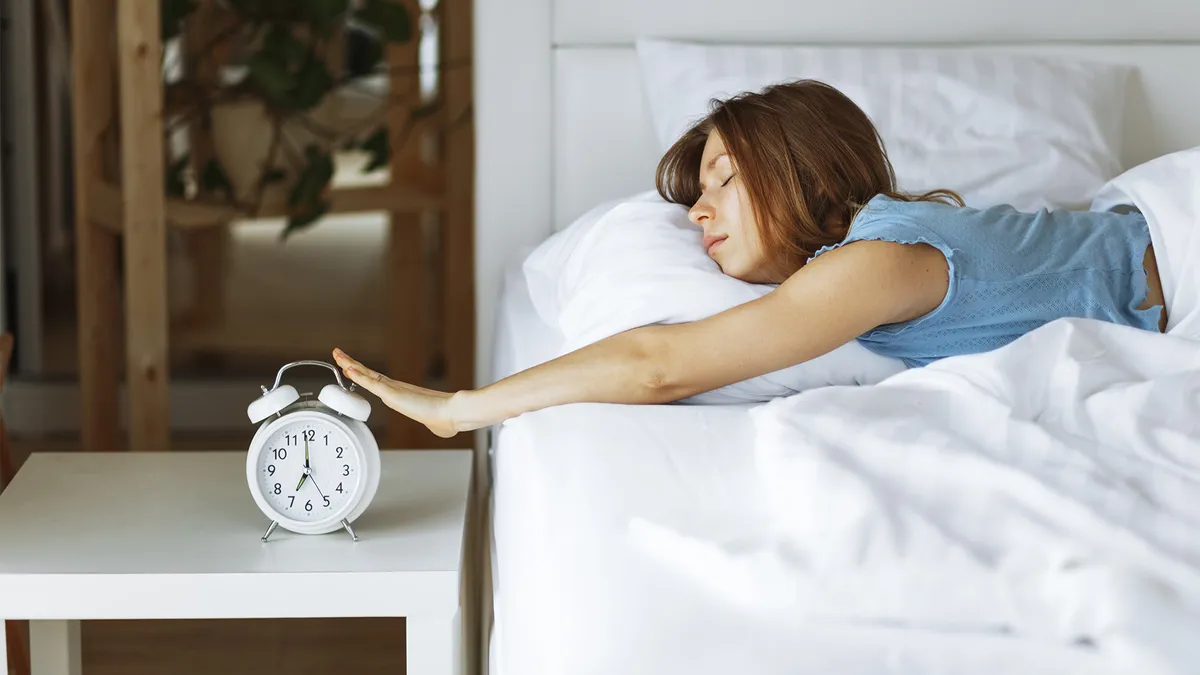
Rust agrees. "Leaving the heater off at night is fine as long as it isn't too cold outside and you have proper room insulation and warm bedding." She also recommends giving the heat "about a half-hour head start before you want to wake up."
Set the heat to turn on an hour or so before you wake up
Dr. Teitelbaum
"So, if you get up at 7am, program the heater for 6:30am," she says. "This depends on the size of the room, the insulation quality, and the strength of the heater."
And while you might be tempted to start the morning with a blast of warmth, Rust advises keeping the heat low.
"Set it for around 18°C (64°F) — not too warm but more comfortable for getting out of bed first thing in the morning."
In defense of leaving the heat on
While both experts agree there are advantages to cooler bedrooms, they also understand that in some circumstances, keeping the heat on (at a lower temperature) can be best.
"The issue is not whether to turn the heating system off at night during winter or to leave it at the warmer settings that we use during the day," says Dr. Teitelbaum. "You are looking for the 'Goldilocks Zone,' where you sleep the best."
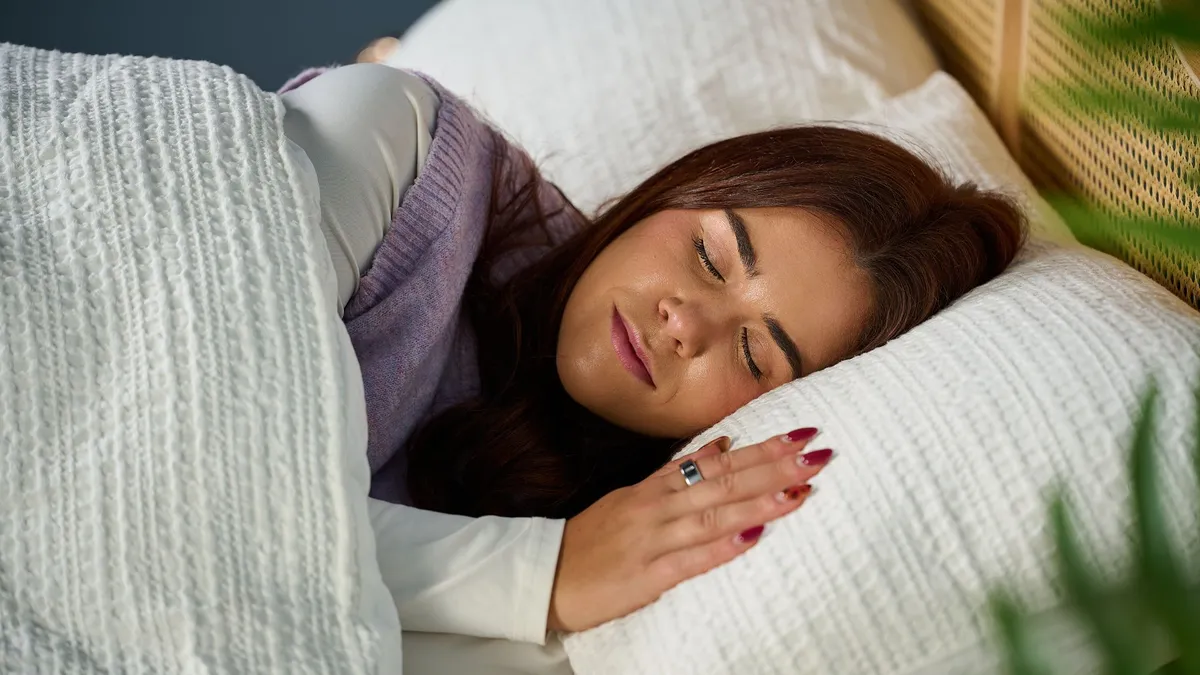
"For people who suffer from night sweats, a colder room is preferable," advises Rust.
But for those who don't wake up sweating, your comfort levels might sit a little warmer. "15°C is ideal for me," says Rust, who is post-menopausal, "but my husband complains he needs to wear a ski hat to bed when it's that cold!"
Finding the perfect overnight temperature
"For most adults under 65 years old, the best room temperature for deep sleep is between 60°F and 67°F," says Dr. Teitelbaum.
But he also notes the perfect sleep temperature is different for every person; "see what feels best for you."
Figuring out the right combination can be a bit of trial and error
Cathy Rust
Rust also advises turning the focus away from your thermostat and towards your bed sheets. "You need [bedding] that keeps you just warm enough without making you overheat," she notes, but warns finding the right combination can be "a bit of trial and error."
For bed sharers things can get complex, particularly if you have opposing sleep needs.
Rust recommends following the Scandinavian sleep method; using two different bedding sets on each half of the bed, so co-sleepers can customize their space.
Heat on or off? Which is cheaper
Okay, so temperature changes can wake you up but do you know what else causes lost sleep? Thinking about just how much money you spent during the holiday period.
Post-spend anxiety is real and with the glow of the holiday behind us, you might be wondering how to stay warm at home for less.
“A gently cooled, well-layered bedroom is usually better for deep, restorative sleep, and it can also help reduce heating costs over the winter,” advises Seed.

The U.S. Department of Energy says that adjusting your heat 7-10°F lower can save you 10% on your energy bill a year, noting that turning the temperature down can also slow how quickly your house loses energy.
Money Saving Expert agrees that leaving the heat on when you don't need it wastes warmth and money — while acknowledging that some houses can benefit from the "low and slow" method of home heating.
But if you're waking up cold and can't convince your partner to turn the heat up, here's your doctor's note:
"If you need an excuse, it is unhealthy to wake to a freezing room," says Dr. Teitelbaum.