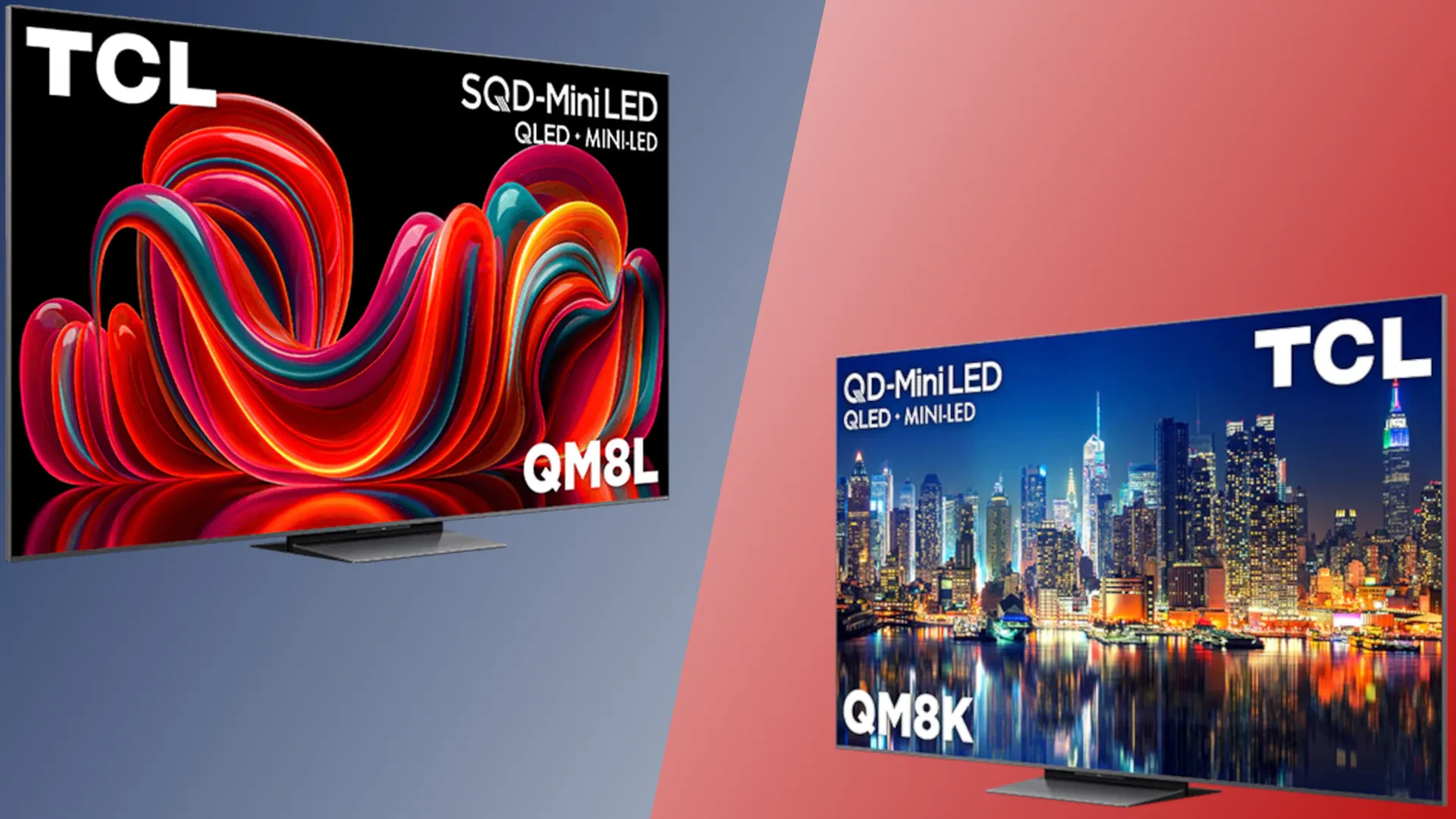
In 2025, the TCL QM8K was one of the best TVs of the year. Its bright, quantum dot-bolstered picture and frequent discounts made it an attractive option for those looking for a bargain on a high-performing TV.
The TCL QM8L is a brand-new TV for 2026. Unlike its predecessor, the QM8L leverages a new type of Mini-LED display that TCL is calling Super Quantum Dot (SQD). It recently launched for a relatively high price tag, but just like the QM8K, it's on sale now.
If you're looking to upgrade your TV this year and you've got an eye for premium performance, there's a good chance you'll be choosing between these two sets. Here's how the QM8L and last-year's QM8K compare — from performance to features and price.
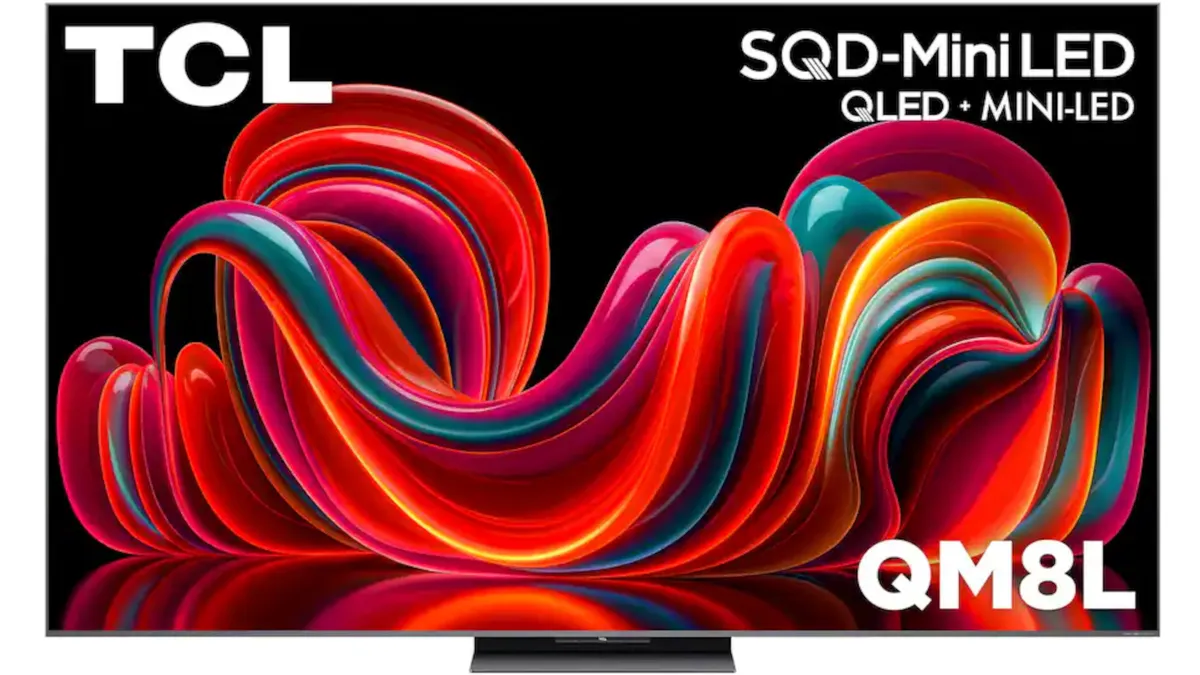
The QM8L is a brand-new TV for 2026. Like the QM8K, it features Mini-LED backlighting, but the QM8L is also equipped with the brand's newest display technology, Super Quantum Dot, which gives it a slight edge over the QM8K.
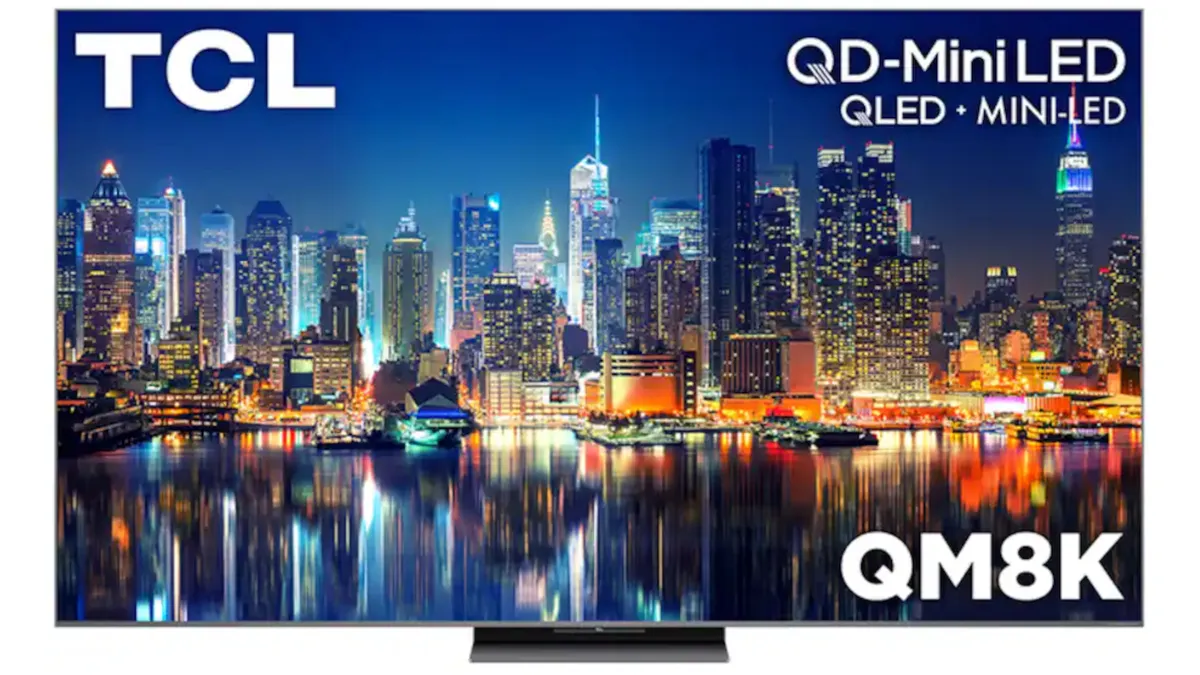
The QM8K is one of TCL's top-performing TVs from 2025. It delivers a bright, colorful picture and plenty of features, and since it's been on shelves for a year, you can find it on sale for less than what you'll pay for its successor, the QM8L.
TCL QM8L vs QM8K: specs compared
| Header Cell - Column 0 | TCL QM8L |
TCL QM8K |
|---|---|---|
Sizes |
65", 75", 85", 98" |
65", 75", 85", 98" |
Ports |
4x HDMI 2.1 |
2x HDMI 2.1, 2x HDMI 2.0 |
Resolution |
3,840 x 2,160p |
3,840 x 2,160p |
Refresh rate |
144Hz |
144Hz |
HDR |
Dolby Vision, HDR10+, HDR10, HLG |
Dolby Vision, HDR10+, HDR10, HLG |
Smart TV software |
Google TV |
Google TV |
ATSC 3.0 support? |
Yes |
Yes |
Processor |
TSR AI Pro Processor |
AIPQ PRO Processor |
Both sets come in screen sizes between 65 and 98 inches. Folks in the market for something smaller (like the ever-popular 55-inch screen size) will have to shop around. More similarities: Both TVs support Dolby Vision as well as the royalty-free version of Dolby Vision, HDR10+.
In addition, both of these TCL TVs conveniently come with ATSC 3.0 support. This feature allows over-the-air broadcasts to be piped-in at native 4K resolution via antenna. 4K over-the-air broadcasts are still few and far between, but for folks who watch TV via antenna, ATSC 3.0 is a very nice feature to have.
Both sets serve up HDMI 2.1-compatible inputs and support 4K gaming at 120Hz. This spec can be pushed to 4K/144Hz when a gaming PC is in play.
Crucially, though, only the QM8L offers a full suite of four HDMI 2.1 inputs. On the QM8K, you're only getting two high-bandwidth ports. For this reason, the QM8L is better suited for people with multiple gaming devices, as they won't have to worry about a console being plugged into a less-capable port.
Winner: TCL QM8L
TCL QM8L vs QM8K: design
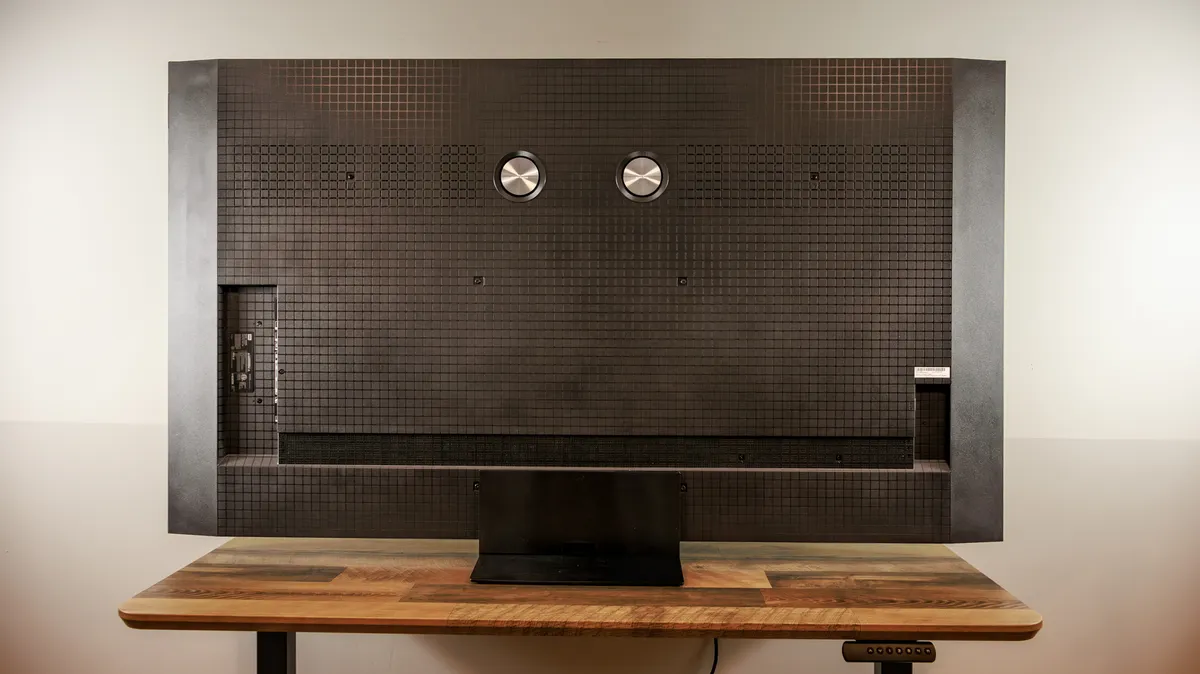
The QM8L (seen above) is a thicker, heavier TV than many LED-based sets. Thankfully, the look doesn't cross over into something industrial.
From a profile view, the QM8L's panel-and-chassis combo is mostly uniform, which goes a long way towards preserving its non-industrial vibe. The whole package sits atop a heavy, pedestal-style stand positioned below the center of the screen.
The stand design is helpful if you intend to place the QM8L on a narrow credenza or media console. Were there wide-set feet straddling the corners of the screen instead, folks who opt for a larger-sized QM8L would need a wide-enough surface to accommodate the setup.
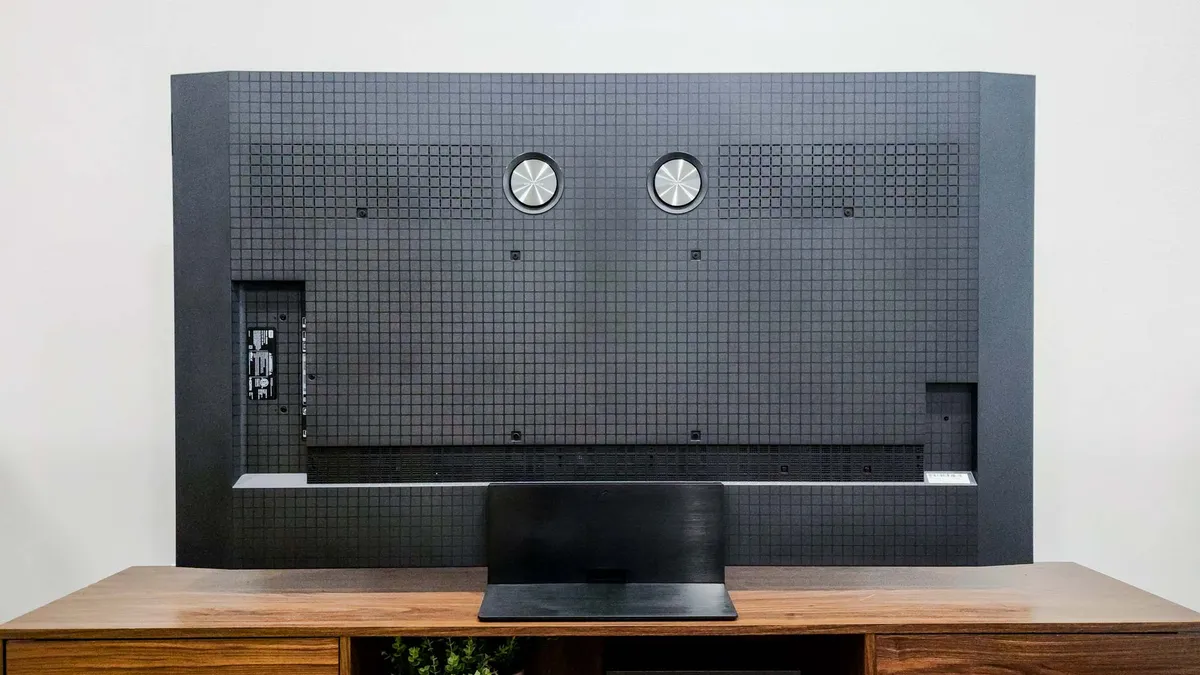
The QM8K (seen above) is nearly identical in its design approach. It, too, comes with a pedestal-style stand. Like its successor, the QM8K's thicker-than-average, Mini-LED display is also mostly uniform when viewed from the side.
Both TVs arrive with a similarly designed remote control, as well. I appreciate this quite a bit, as I find TCL's latest remote design to be both useful in its button layout and comfortable to hold. Best of all? These clickers are backlit, a feature whose convenience can't be understated whenever the lights are off.
Given their near-identical designs, this category is a draw. Both of these TCL TVs are among the best-designed sets in the brand's catalogue.
Winner: Draw
TCL QM8L vs QM8K: performance
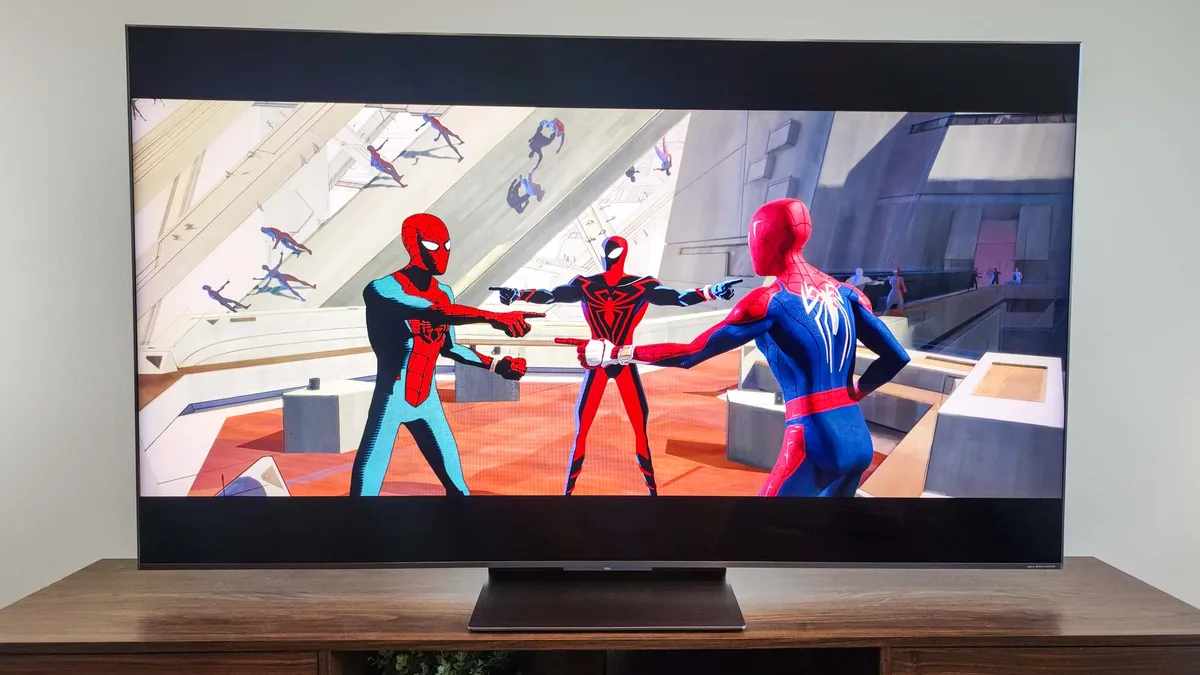
Before we dive into which of these TVs is the better performer, let's compare their test results. (Both TVs were in their respective Filmmaker picture modes when these tests were taken.)
| Header Cell - Column 0 | TCL QM8L |
TCL QM8K |
|---|---|---|
SDR Brightness (10%, in nits) |
229 |
231 |
Delta-E (lower is better) |
3.7 |
2.7 |
HDR Brightness (10%, in nits) |
3,719 |
3,333 |
UHDA-P3 Gamut Coverage |
97.97% |
97.28% |
Rec.2020 Gamut Coverage |
90.34% |
80.11% |
Input latency (milliseconds) |
9.5 |
13 |
It's important to acknowledge just how similarly these TVs perform across all content — not just 4K, HDR-mastered movies and shows.
While the QM8L is undoubtedly the brighter of the two sets, most people would be hard-pressed to clock a difference in brightness during a side-by-side comparison. More importantly, both of these Mini-LED TVs do a fine job of minimizing light bloom whenever bright picture elements clash with dark backgrounds (though the QM8L is a bit better with its backlight control).
According to our test results, the year-old QM8K does a slightly better job dialing-in its color points in TCL's Filmmaker mode. However, the difference between a Delta-E of 2.7 and 3.7 isn't dramatic, so you can expect a comparable out-of-the-box experience on the newer QM8L.
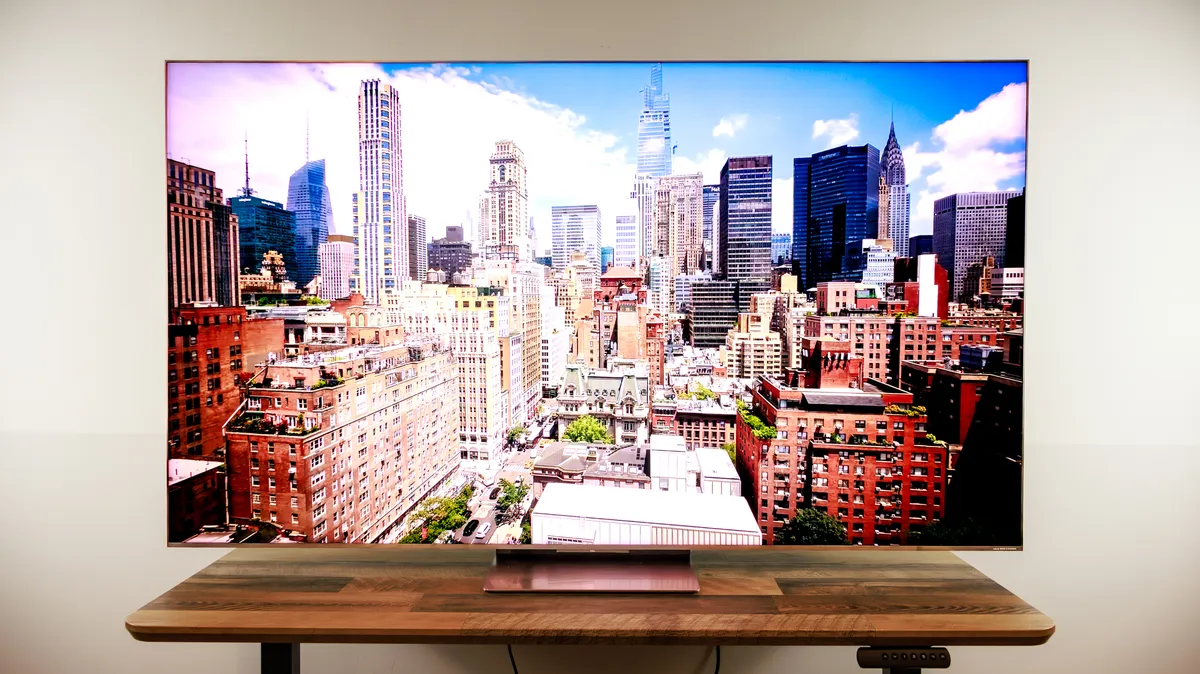
Performance begins to diverge when we compare color volume. Thanks to TCL's SQD technology (a new spin on quantum-dot color), the QM8L covers a whopping 90% of the BT.2020 color space. The QM8K is no slouch, but its 80% figure is closer to what we measure on standard, non-SQD Mini-LED TVs.
Yes, both TVs are bright and colorful-enough to deliver a punchy, room-filling experience during HDR-mastered content. If you were to look at them side by side, however, there's a good chance you'd clock redder reds and brighter highlights on the QM8L.
It's tempting to dock the QM8L for its relatively high color error score in Filmmaker mode, but I must stress that these TVs are close enough in performance while set to their most-accurate picture modes that the average person won't need to worry about this.
When you take it all together, the QM8L's slightly higher brightness, added color and lower input latency make for superior performance — if only by a little.
Winner: TCL QM8L
TCL QM8L vs QM8K: smart platform and features
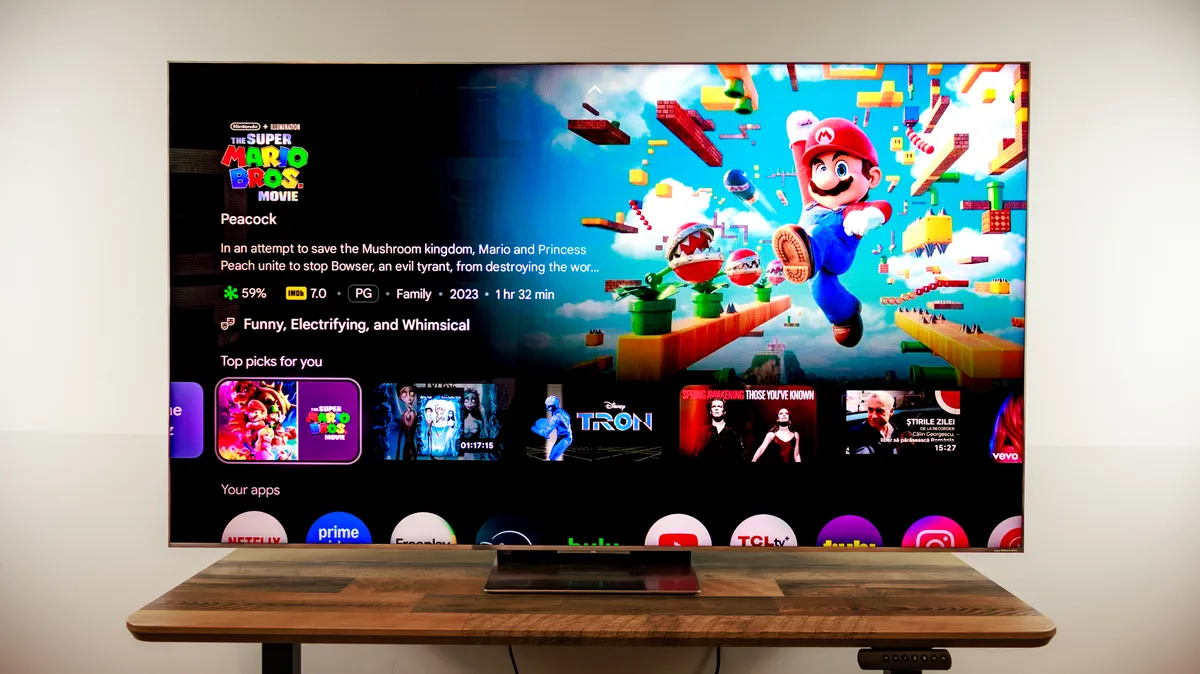
As is the case with picture quality, both of these TVs are quite similar when it comes to their streaming- and gaming-related features.
Both the TCL QM8L and the QM8K are built around the Google TV smart platform. Pound for pound, I prefer Google TV over every smart platform not named "Roku," as its interface is easier to navigate than LG's webOS and Samsung's Smart Hub.
Yes, there are ads all over Google TV. But I don't often find that the ads are getting in the way of my navigation, which happens often when I'm using rival software suites. Google TV is also connected to a vast library of downloadable apps, so it's more than capable of being a daily driver.
The QM8L and QM8K both come with a similar set of gaming features. Variable Refresh Rate (VRR) and AMD FreeSync Premium Pro, which ensure artifact-free performance when games get fast paced. TCL's Game Bar — a quick-access menu that puts gaming-related settings on your screen immediately — is represented on both models, too.
As mentioned, in order to access the QM8K's full set of features, a device must be plugged into one of its two only HDMI 2.1 inputs. The QM8L, on the other hand, is outfitted with four high-bandwidth inputs.
We've already come to terms with this difference in HDMI hardware when comparing these TVs' specs. As far as features go, they're almost the same TV.
Winner: Draw
TCL QM8L vs QM8K: outlook
| Header Cell - Column 0 | TCL QM8L |
TCL QM8K |
|---|---|---|
Specs (25) |
23 |
21 |
Design (25) |
22 |
22 |
Performance (25) |
23 |
22 |
Features (25) |
23 |
23 |
Total Score (100) |
91 |
88 |
The QM8L and QM8K are nearly carbon copies. The QM8L delivers better performance (thanks to slightly higher brightness, better color volume and lower input latency), but it's up to you to determine if those marginal benefits are worth the added price.
The QM8L just launched at $2,499 for a 65-inch version, but it didn't take long to go on sale. Right now, you can get the 65-inch TCL QM8L for $1,799 at Best Buy. The 75-inch QM8L is just $1,999 at Best Buy at the time of publishing.
The QM8K, on the other hand, is much more affordable. You can nab the 65-inch QM8K at Amazon for just $997. The 75-inch QM8K is $1,447 at Best Buy.
If I happened to be choosing between these two TVs, I'd likely spring for the newer QM8L — but not because of its slightly superior picture. The inclusion of two extra HDMI 2.1-compatible inputs is hugely helpful, as someone who does a fair amount of gaming across multiple devices.
If this sounds like you, the QM8L's added cost might be justified. You'll also be getting a more-colorful presentation.
For everyone else, I recommend saving as much money as possible by opting for the QM8K. The QM8L's price will likely continue to fall throughout the year, but as a 2025 release, the QM8K's stock won't last much longer.

Follow Tom's Guide on Google News and add us as a preferred source to get our up-to-date news, analysis, and reviews in your feeds. Subscribe to Tom's Guide on YouTube and follow us on TikTok.
More from Tom's Guide