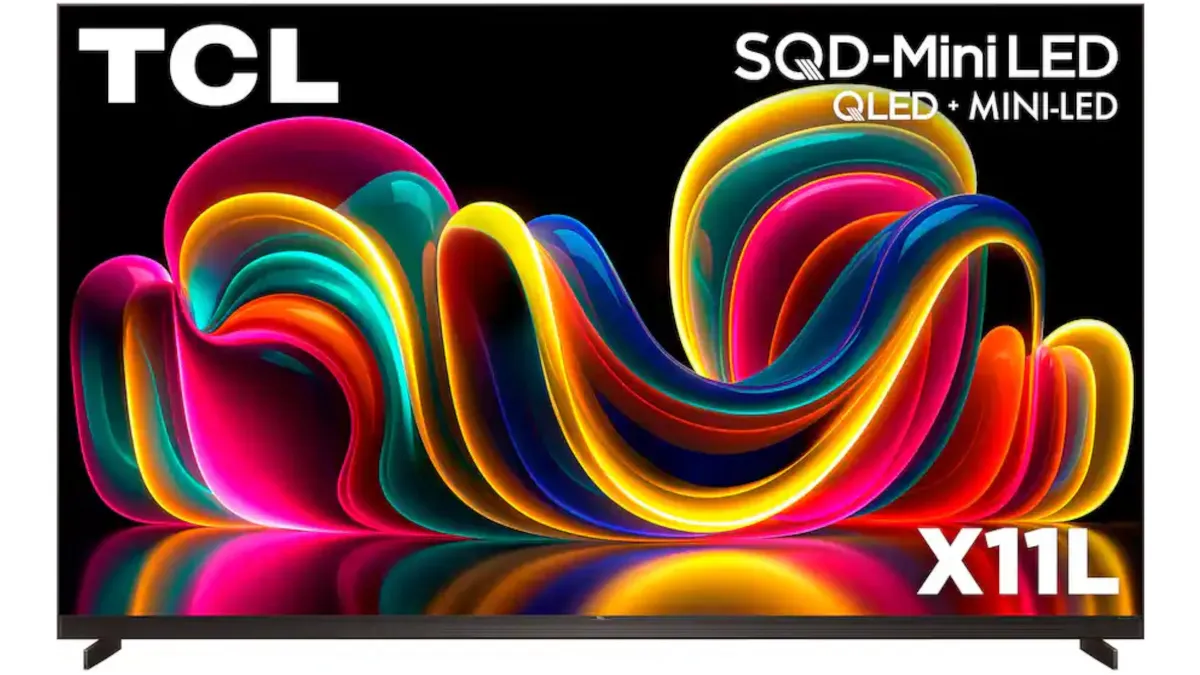
Thanks to an all-new spin on quantum-dot technology, the TCL X11L delivers some of the best (and brightest) performance we've ever seen on a Mini-LED TV. That said, it's much pricier than last-year's QM9K, and the marginal difference in performance might not be enough for most people to justify the price jump.
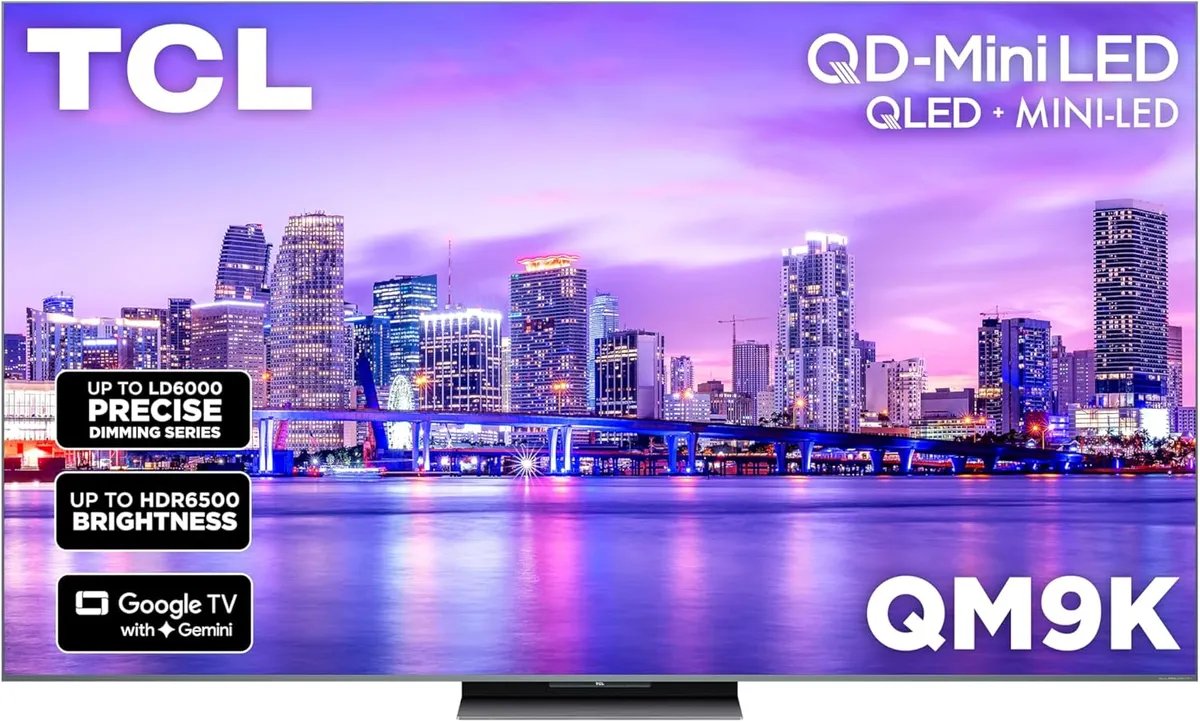
The QM9K is one of TCL's last top-shelf TVs to feature a traditional blend of quantum-dot color and Mini-LED backlighting, so it's not as colorful as the Super Quantum Dot-equipped X11L. Nevertheless, it's an order of magnitude cheaper, making it a better buy for most people.
TCL, makers of a wide range of QLEDs and Mini-LED TVs, is offering an impressive slate of top-shelf options in 2026. As is the case with every major TV brand, the best TCL TVs you can buy right now are a blend of last-year's top TVs and the newest high-end models.
The TCL X11L is the brand's most-premium offering in 2026; the TCL QM9K, on the other hand, is the top-performing TCL TV from 2025. Right now, they occupy the same shelf space.
Both sets leverage Mini-LED backlighting for a bright, punchy picture. But these two TCL TVs diverge when it comes to performance, features and price. Here's what you need to know before shopping.
TCL X11L vs TCL QM9K: specs compared
| Header Cell - Column 0 | TCL X11L |
TCL QM9K |
|---|---|---|
Sizes |
75", 85", 98" |
65", 75", 85", 98" |
Ports |
4x HDMI 2.1 |
2x HDMI 2.1, 2x HDMI 2.0 |
Resolution |
3,840 x 2,160p |
3,840 x 2,160p |
Refresh rate |
144Hz |
144Hz |
HDR |
Dolby Vision, HDR10+, HDR10, HLG |
Dolby Vision, HDR10+, HDR10, HLG |
Smart TV software |
Google TV |
Google TV |
ATSC 3.0 support? |
Yes |
Yes |
Processor |
TSR AI Processor |
TCL AIPQ Pro Processor |
These are similarly spec'd TVs, but there a few noteworthy differences to highlight here. For one thing, the QM9K is the only one to come in a 65-inch variant. The X11L starts at 75 inches. If you want a screen below the 75-inch size point, the QM9K is the set that'll get you there.
Secondly, the QM9K only offers a pair of HDMI 2.1-compatible ports — the remaining pair is limited to HDMI 2.0. The X11L, meanwhile, features HDMI 2.1 compatibility across all four of its inputs.
This distinction is especially relevant for gamers. While both sets support 4K gaming at 120Hz (and up to 144Hz with a gaming PC linked up), only the X11L supports this functionality across every single HDMI input. With the QM9K, you're limited to just two of these high-bandwidth inputs. The lesser, HDMI 2.0-based inputs are limited to 4K content at up to 60Hz.
Everything else comes out in a wash. Dolby Vision support is in represented on both of these TVs, as well as HDR10+. Additionally, both the X11L and the QM9K come with ATSC 3.0 support. This allows over-the-air broadcasts to be piped-in at native 4K resolution when available. 4K broadcasts aren't very common, but this feature is nevertheless nice to have.
That said, the addition of two extra HDMI 2.1 inputs fills out the X11L's spec sheet. It's the full package.
Winner: TCL X11L
TCL X11L vs TCL QM9K: design
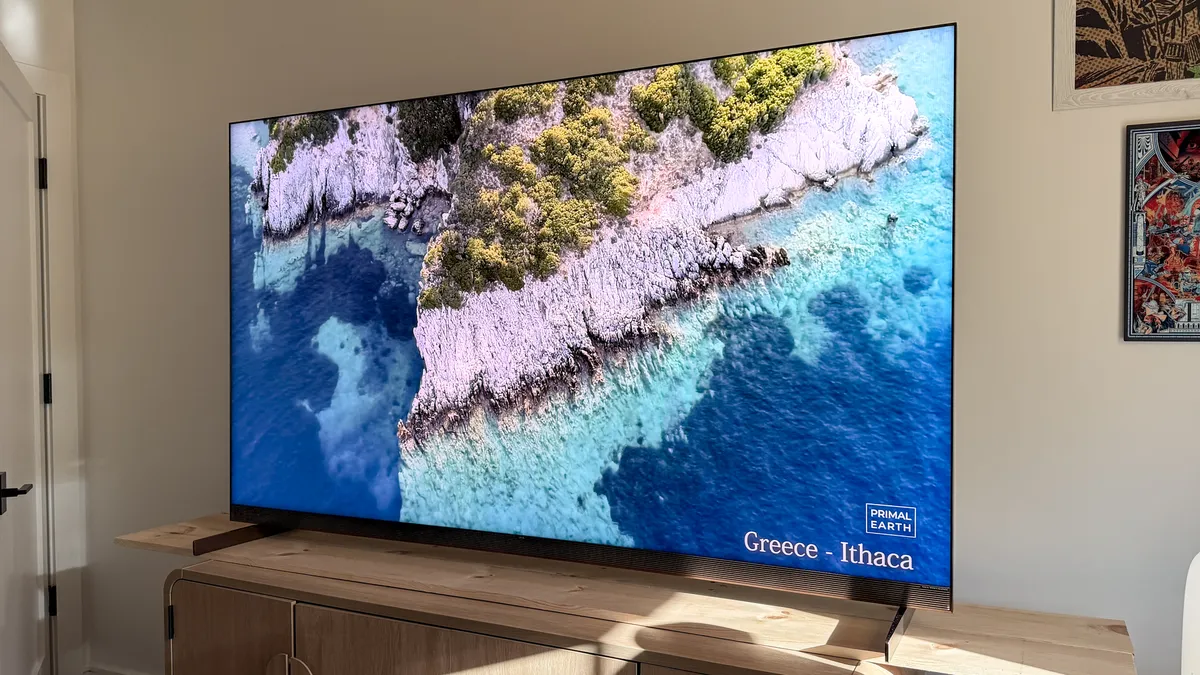
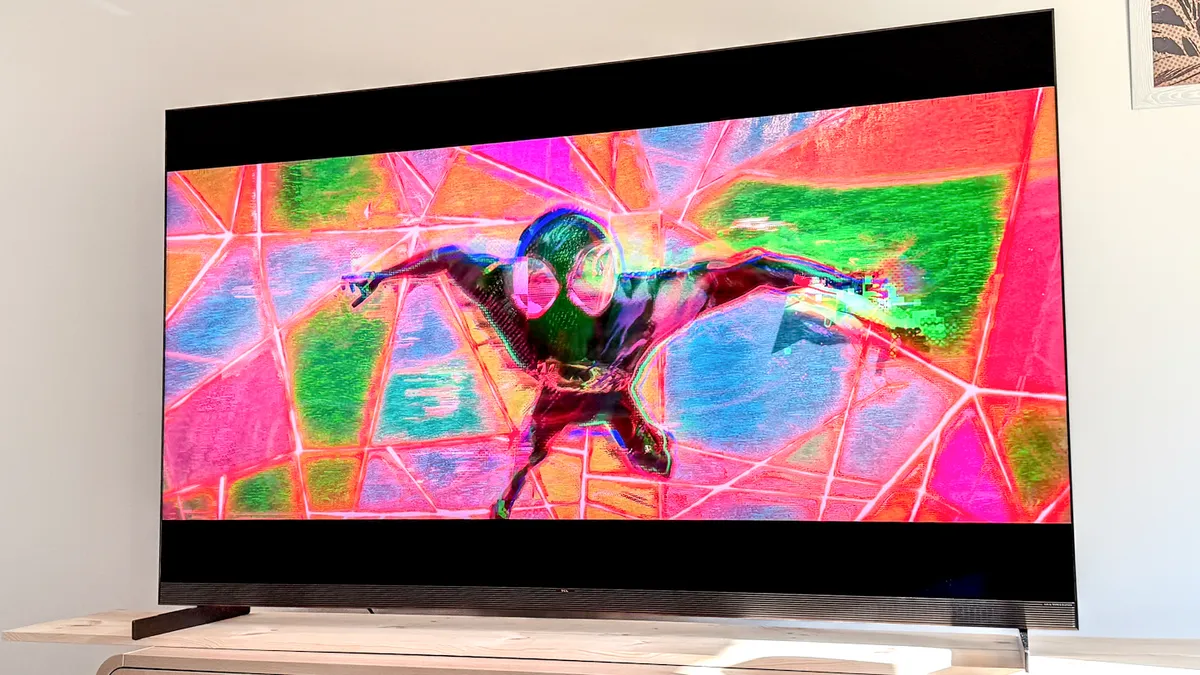
The TCL X11L (seen above) is packing some heavy-duty technology (which I'll get into shortly). It's also only available in 75-, 85- and 98-inch sizes. This combination means that its overall design needs to accommodate heavy hardware across big screens.
As a result, the X11L is a bit of a chonkster. While its panel isn't exactly thick, the chassis connected to the bottom of the panel's backside is pretty deep for a high end Mini-LED TVs. The TV's Bang & Olufsen-branded internal speakers creates a thick band at the bottom of the screen which adds to the X11L's larger-than-life appearance.
Its beefed-up chassis sits gingerly on a pair of narrow, wide-set feet. The juxtaposition of the big, honkin' screen and the slim, scaled-down feet is eye-catching, but you'll need an extra-wide credenza or media console if you're planning on plopping down a 75- or 85-inch X11L.
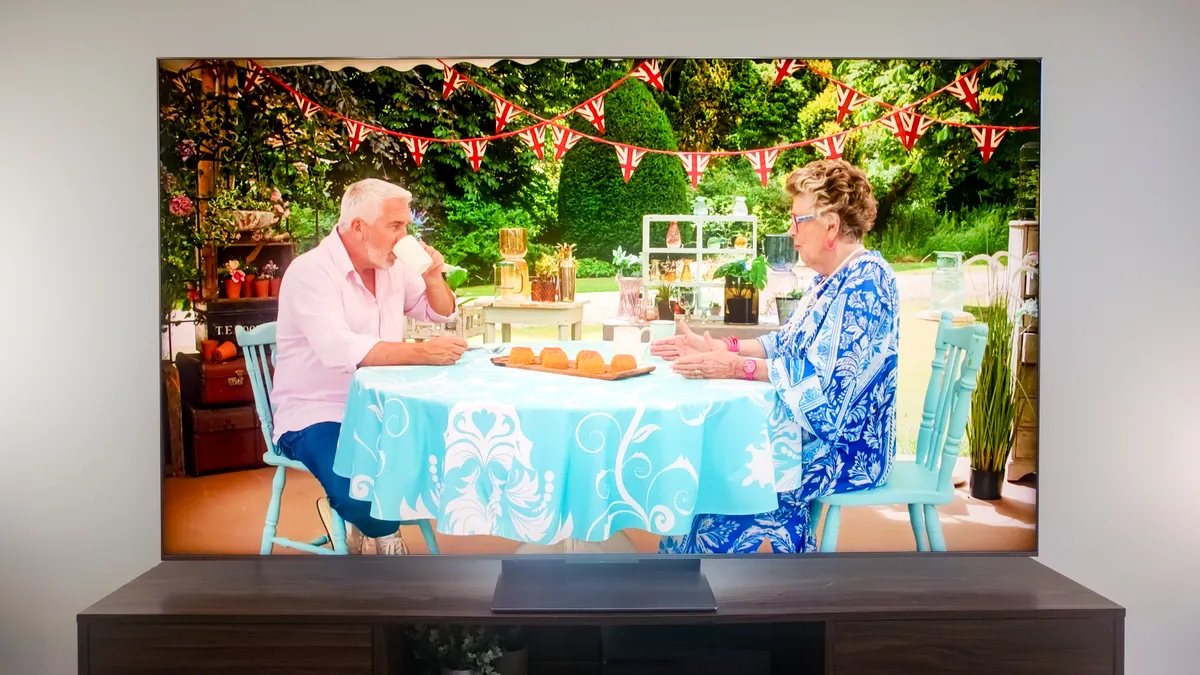
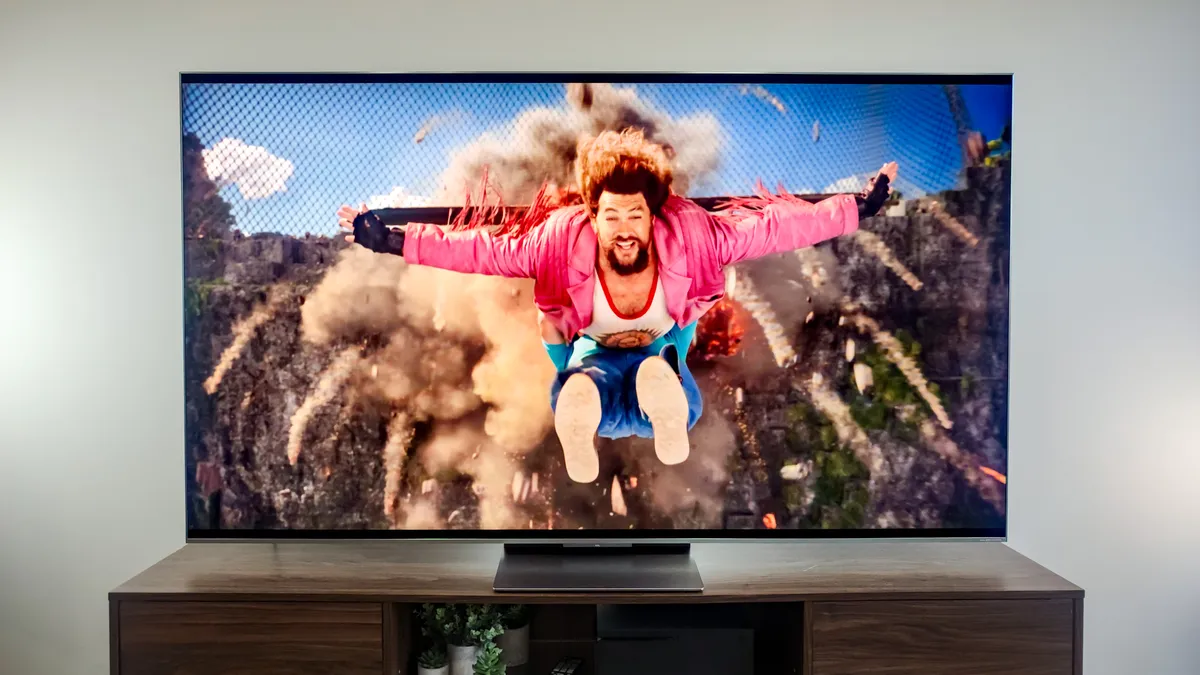
By contrast, the QM9K (seen above) relies on a pedestal-style stand. The heavy, wedge-shaped piece sits below the center of the screen, and because of this placement, the QM9K doesn't need as wide of a surface to sit on.
And although the QM9K isn't quite as slim as the X11L at its narrowest point, its profile appears more svelte since it doesn't bulge out as much as the X11L.
As far as contemporary TVs go, both of these sets feature good-looking designs. However, the QM9K is undoubtedly an easier-to-manage setup due to its pedestal-style stand.
Winner: TCL QM9K
TCL X11L vs TCL QM9K: performance
Before we dive into which of these TVs is the better performer, let's compare their test results. (Both TVs were in their respective Filmmaker picture mode when these tests were taken.)
| Header Cell - Column 0 | TCL X11L |
TCL QM9K |
|---|---|---|
SDR Brightness (10%, in nits) |
283 |
224 |
Delta-E (lower is better) |
1.9 |
1.8 |
HDR Brightness (10%, in nits) |
2,679 |
4,207 |
UHDA-P3 Gamut Coverage |
97.74% |
97.05% |
Rec. 2020 Gamut Coverage |
91.77% |
80.29% |
Input latency (milliseconds) |
11.7 |
13 |
First, let's talk about brightness. Along with its gobsmacking color, brightness is the X11L's bread and butter. However, the X11L comes with several settings that throttle its blistering brightness by default. We measured a sensational 2,679 nits of HDR highlight brightness on the X11L, but it's worth noting that this set is capable of getting much, much brighter with its backlight completely cranked up.
This is especially true when measuring even smaller highlights on the X11L than the 10% window reported above. Indeed, the X11L is capable of brightness levels well above 6,000 nits, and despite the QM9K's 4,000+ nits of HDR highlight brightness, I'd wager that the X11L is the brighter TV during HDR-mastered content.
Brightness isn't the whole story, either. TCL refers to the X11L as a Super Quantum Dot (SQD) TV. This souped-up quantum-dot technology is engineered to squeeze as much color as it can out of a standard, Mini-LED-backed picture, and the numbers bear this out.
TCL's top-of-the-line SQD TV covers more of the BT.2020 color gamut than any Mini-LED TV we've measured to date. It even matches the high-water mark set by some quantum dot-enhanced OLED TVs we've measured in recent years.
TCL's top-of-the-line SQD TV covers more of the BT.2020 color gamut than any Mini-LED TV we've measured to date.
This doesn't mean the QM9K isn't impressive. As mentioned, it deploys a sensational level of HDR brightness and manages all of that horsepower responsibly with a well-engineered backlight system.
Colors, too, are a wonder to behold on the QM9K. While it can't quite reach the dizzying, psychedelic heights of the X11L, it nevertheless saturates about 80% of the BT.2020 color gamut.
Both TCL TVs come with an accurate, dialed-in presentation in Filmmaker mode. Both offer so-so input latency. But the X11L is the more colorful of the two, and despite our reported HDR highlight brightness in the table above, the X11L is capable of one of the brightest pictures money can buy — just as long as you tinker with the settings.
Each of these sets looks phenomenal on its own. In a side-by-side comparison, you'd almost certainly see the benefits of the X11L's SQD-driven picture. It's one of the best-performing TVs TCL has ever made.
Winner: TCL X11L
TCL X11L vs TCL QM9K: smart platform and features
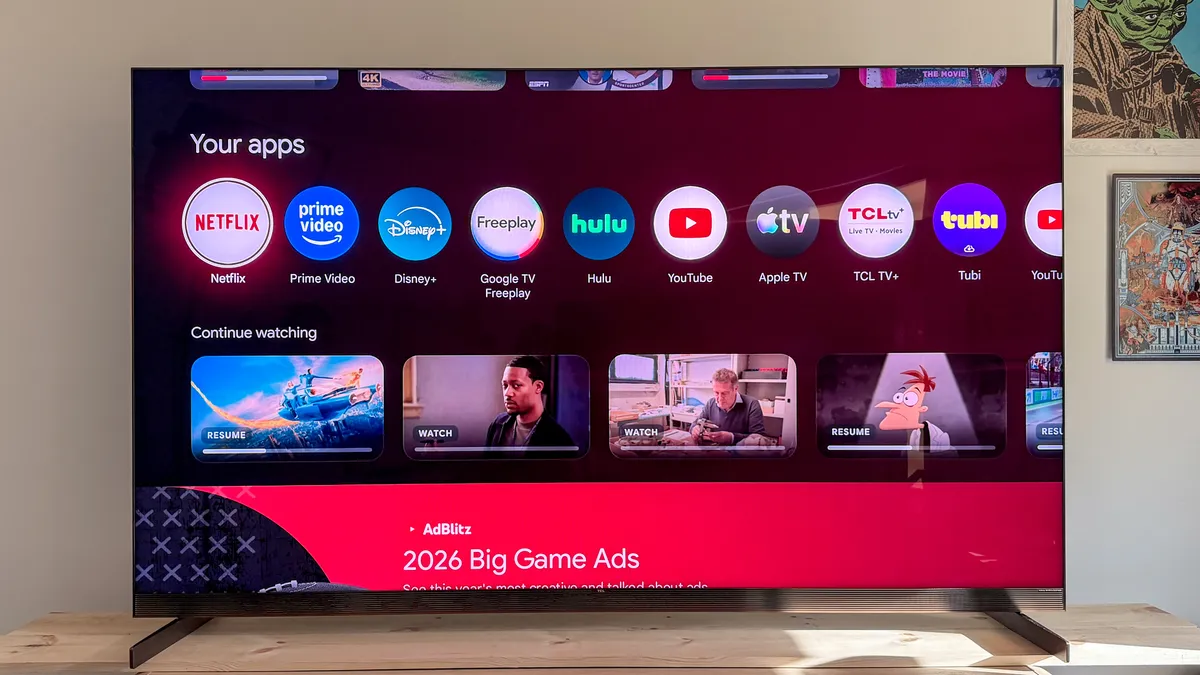
Both the X11L and the QM9K are built around the Google TV software suite, and it's a handy smart platform to have in your back pocket if you intend to do most of your streaming on your TV instead of an external streaming device.
I love how snappy Google TV feels to use. The user interface is relatively straightforward, and the overall performance of the software is fantastic on both the QM9K and the X11L.
As mentioned, the X11L is the only one of these two sets to come with four HDMI 2.1 inputs, so dedicated gamers with multiple devices will have a less-complicated relationship with the X11L than the QM9K.
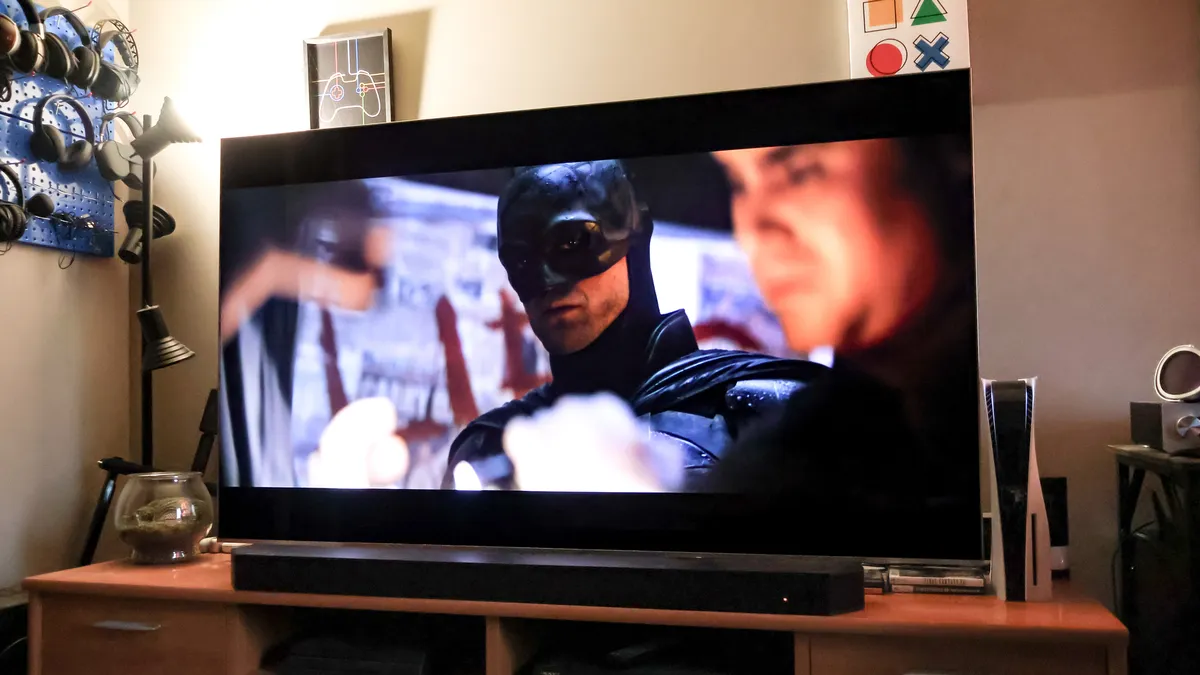
But beyond their HDMI inputs, you're looking at two equally capable gaming TVs. The X11L and QM9K each come with Auto Low Latency Mode (ALLM), Variable Refresh Rate (VRR) and AMD FreeSync Premium Pro.
As mentioned, Dolby Vision support is available on both TVs, as is ATSC 3.0 support. They each come with built-in sound systems branded by Bang & Olufsen (though I find the audio experience on the X11L to be fuller).
Winner: Draw
TCL X11L vs TCL QM9K: outlook
| Header Cell - Column 0 | TCL X11L |
TCL QM9K |
|---|---|---|
Specs (25) |
24 |
22 |
Design (25) |
21 |
22 |
Performance (25) |
23 |
22 |
Features (25) |
24 |
24 |
Total Score (100) |
92 |
90 |
On paper and in person, there's no denying that the TCL X11L is a better-performing, more-accommodating TV for anyone shopping at the high-end level. But there's one critical factor that ought to be considered if you truly are trying to choose between them: price.
Right now, you can order the 75-inch TCL X11L for $6,999 at Amazon. That's a lot of money for any TV, and the bigger sizes in the series are even pricier.
Meanwhile, you can grab the 75-inch TCL QM9K for just $1,799 at Best Buy. That's a staggering $5,200 less than the similarly sized X11L. This is before you take into account the fact that the QM9K is available in a 65-inch version. The 65-inch QM9K is on sale for $1,599 at Best Buy.
As a new model, the price of the TCL X11L will almost certainly fall throughout the year. But here's the thing: So will the price of the QM9K.
All told, the X11L is a better-performing TV that offers gamers more flexibility. But I can assure you that it's also not $4,000 to $5,000 more impressive than the QM9K. For most people, the QM9K is the better pick. It comes in a 65-inch variant, its design is better suited for smaller living spaces and it's substantially cheaper than the X11L.

Follow Tom's Guide on Google News and add us as a preferred source to get our up-to-date news, analysis, and reviews in your feeds. Subscribe to Tom's Guide on YouTube and follow us on TikTok.
More from Tom's Guide