If there's one thing everyone knows about Apple, it's that the company doesn't really do "cheap." The days of "Does More, Costs Less" are long over, and nowhere is that more apparent than with the iPhone. Or more specifically, the company's "cheap" iPhone model, the iPhone 16e.
The phone was designed to replace the iPhone SE, a solid mid-range phone with a $429 price tag. While that's not what I'd call cheap, it is considerably more affordable than a flagship iPhone — and with all the best parts of an iPhone bundled in. Unfortunately, Apple then went and hiked up the price of the iPhone 16e to $599.
With the iPhone 17e seemingly arriving in the next few weeks, we have to come to terms with the fact that the e-Series has, so far, been grossly overpriced. And Apple should use this opportunity to fix that error.
$599 isn't close to being cheap — and other phones offer similar performance for less
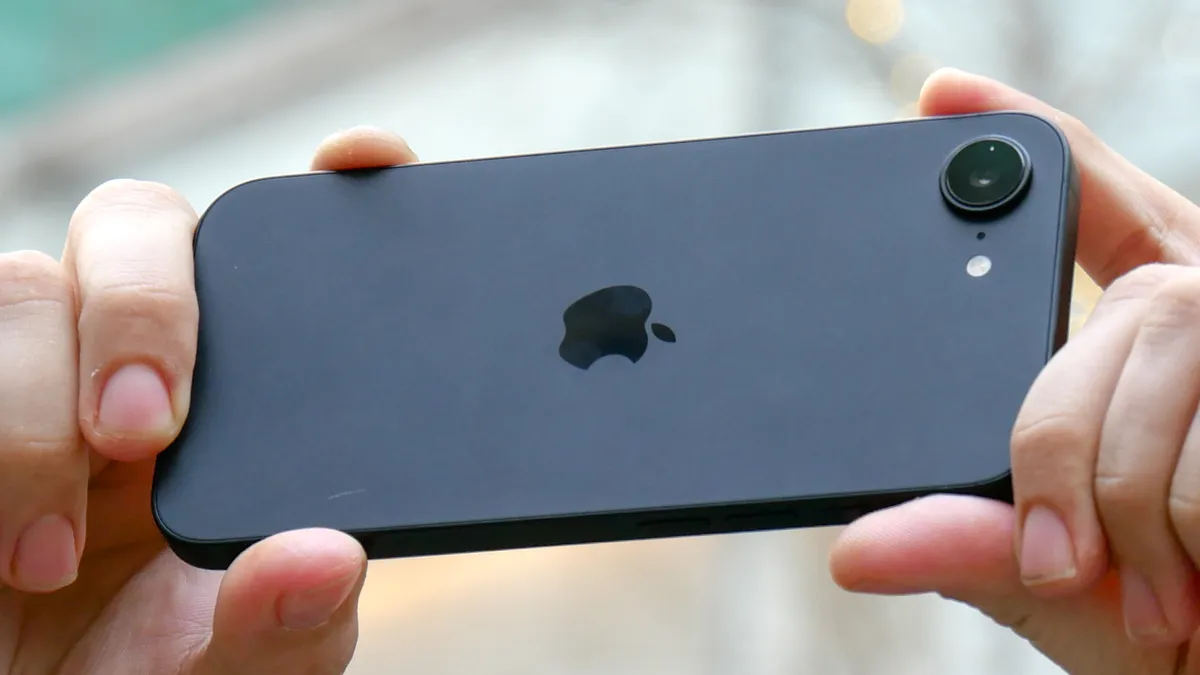
The iPhone SE was a common sight on our list of the best cheap phones. Not only was it available for well under $500, it also offered a comparable experience to other mid-range phones. Google's A-series, the Samsung A50 series, and even higher end devices from the likes of Motorola.
Many of those phones offer a comparable experience and capabilities compared to the iPhone 16e, including AI. The key difference is that they cost considerably less.
In our iPhone SE (2022) review, we highlighted how it offered good performance for the price, great photo quality and the durability of its design. Moreover, it was the final compact iPhone, measuring almost a third of an inch shorter than the iPhone 16e.
Sure, the iPhone 8-inspired design was dated and a refresh was sorely needed, but it didn't stop the iPhone SE 3 from going head-to-head with rivals that cost $50 to $100 more. Cheap or not, Apple rarely does half measures.
The iPhone 16e is not a bad phone. It marked a huge upgrade over the iPhone SE, but therein lies the major problem. Rather than offering a cheap iPhone in the same vein as the SE series, it feels like the design team was ordered to get Apple Intelligence running on the phone — regardless of how much the final product would end up costing. And, well, Apple Intelligence clearly hasn't been the roaring success Apple was hoping it would be.
Instead of being the iPhone for people who can't afford an iPhone, it became a slightly nerfed version of the iPhone 16. And those compromises made it feel rather overpriced.
Sure, it had a bigger battery and better camera than the iPhone SE3, and you ended up with double the RAM and the latest A18 chipset. But for $200 more (or less if you purchased it on sale), you could get an iPhone 16 with a bigger screen, an extra camera lens, MagSafe, and a Dynamic Island display. No notches in sight.
The iPhone 16e may have been the cheapest iPhone, but it ended up occupying a weird middle ground between the iPhone 16 and iPhone SE 3. It had a lot of great specs that put it well ahead of the iPhone SE 3, but it wasn't exactly cheap enough to make the compromises worth it. Whereas the SE 3, for all its faults, did that extremely well.
It's in Apple's best interest to have as many iPhone users as possible

The iPhone is Apple's personal cash cow, and it's been that way for a long time. According to the company's latest earnings call, net sales of iPhones accounted for $85.3 million of revenue in the last quarter. That's almost 50% of its total sales revenue.
In second place, coming in at $30 million, was Services. That includes subscriptions, the App Store and all the other money Apple generates from its software.
Service revenue is quite important because it's continuous. While iPhones may make up the majority of the money coming in, people aren't buying iPhones regularly. Once a year, if they're bad with money, or once every few years otherwise. Meanwhile, those users will be spending money on subscriptions, in-app purchases, iCloud storage and all the other things that earn Apple some kind of commission.
That commission only comes from people with Apple devices, and every time someone switches to an Android, Windows or some other system, that potential influx of cash is lost. So it is in Apple's best interests to have as many people as possible buying and using iPhones — even if it means selling a slightly stripped-down experience to someone who wouldn't pay full price for the latest iPhone 17.
Just because a person bought an iPhone SE or a used iPhone 14 doesn't mean their App Store money is any less important than that of someone who purchased a 2TB iPhone 17 Pro Max.
At first glance, it may seem sensible to increase the price of the cheapest iPhone, since that means more direct sales revenue for Apple. But that also ignores the fact that competitive pricing is a great way to bring in people who want to own an iPhone but couldn't otherwise justify paying for a more expensive model.
With that in mind, it feels as though Apple would be better off drawing people in with a lower cost of entry (by iPhone standards) to reap the benefits of service revenue. The fact that those cheaper iPhones should also turn a profit is a bonus.
Bottom line: The iPhone 17e should drop the price again

While I understand that Apple wants to push people onto Apple Intelligence and cement itself as a player in the AI market, that's not really happening. The constant delays in upgrading Siri into a true AI assistant are a testament to that. Instead, Apple would be better off pivoting and putting the e-Series back on the same tracks as the SE line.
There are plenty of benefits to Apple offering a cheap iPhone, so long as it is cheap enough to justify its existence. You'd be surprised how much people are willing to go without if the price tag is low enough to make it worthwhile. We don't need multiple cameras, MagSafe, or even a full-screen display. They're nice to have, but it's not the end of the world if you don't. So long as you're still getting value for money.
Even with the upgrades rumored to be coming to the iPhone 17e, I'm not sure another $599 iPhone qualifies as value for money.

Follow Tom's Guide on Google News and add us as a preferred source to get our up-to-date news, analysis, and reviews in your feeds.
More from Tom's Guide