Mattress mold is a problem that sneaks up on you. A slightly whiffy bed and small stains can quickly turn to itching, sneezing and watery eyes. And right now is primetime for moldy conditions.
A combination of cold, wet weather outside and warm heating inside increases moisture in the air. Your mattress soaks it up like a sponge and, trapped inside your warm bed, that damp helps mold spores to multiply.
Mattress mold doesn't have to spell the end of your bed, but you need to catch it early. We spoke to Dr Gareth Nye, Biomedical Sciences lecturer at the University of Salford working exclusively with M&S, about how to identify early signs of mold — and get rid of it.
3 signs of mold in your mattress
Mold can completely ruin a mattress, but before you rush off to browse our best mattress guide for a replacement bed, look out for these early indicators of mold.
1. A bad smell
You won't necessarily see early signs of mold in your mattress, but you might be able to smell the problem has taken hold.
Dr. Nye describes the smell of mold as "a persistent musty, damp, or earthy odor" and notes that it can linger "even after the bedding has been washed."
If this new smell is accompanied by an uptick in allergy symptoms when you go to bed (itching, sneezing or watery eyes, for example) mold is the likely culprit. Noticed a sweeter musty smell? It might be bed bugs.
2. Pinpoint stains
Big, dark stains are often a sign that your mattress is past saving. But before you get to that point, Dr. Nye recommends looking for "tiny, clustered pinpoint stains."
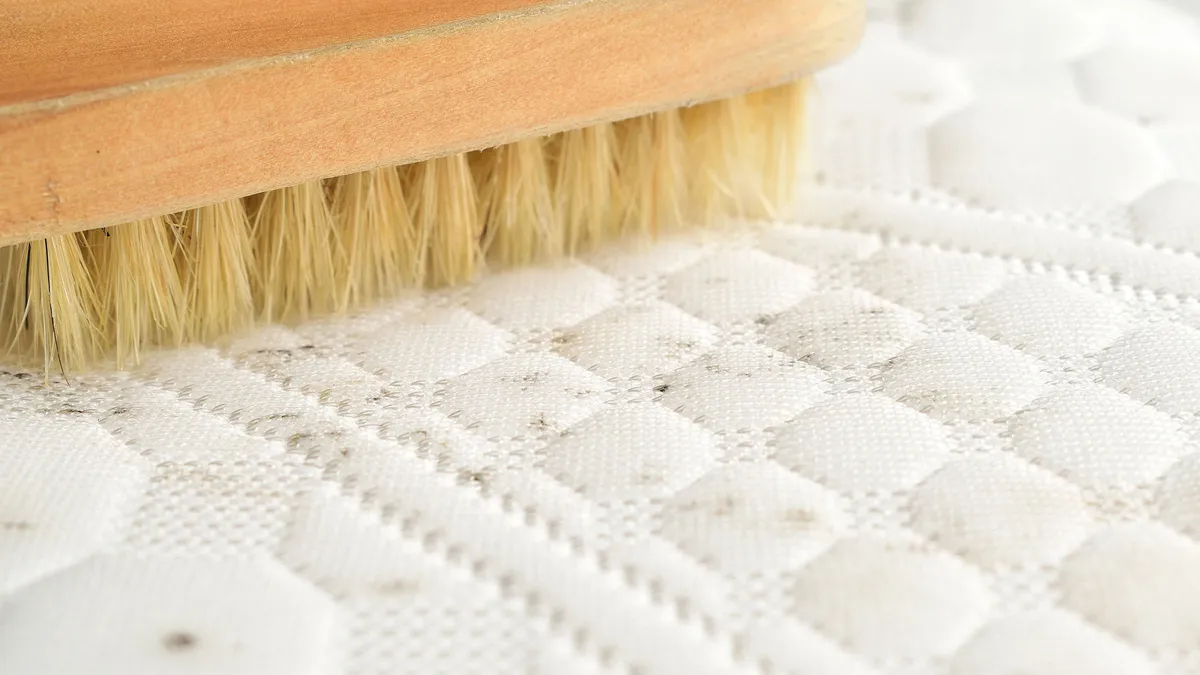
These small marks are the signs of an early mold infestation and they can be treated (we'll explore how below). And don't just look on the top surface of the mattress for stains. The underside of the bed as well as the sides can house mold as well.
3. Mold around the bed
Signs of mold aren't always visible on the mattress itself. Look in the surrounding area for indicators your bedroom is growing mold.
Dr. Nye describes "spaces up against a wall or behind units" as 'mold magnets' because they prevent airflow. So if your bed frame is pushed against the wall, move it forward when you clean and check for mold.
He also advices looking in any common sites for condensation, including anything pressed to the "external environment" (like radiators against a window).
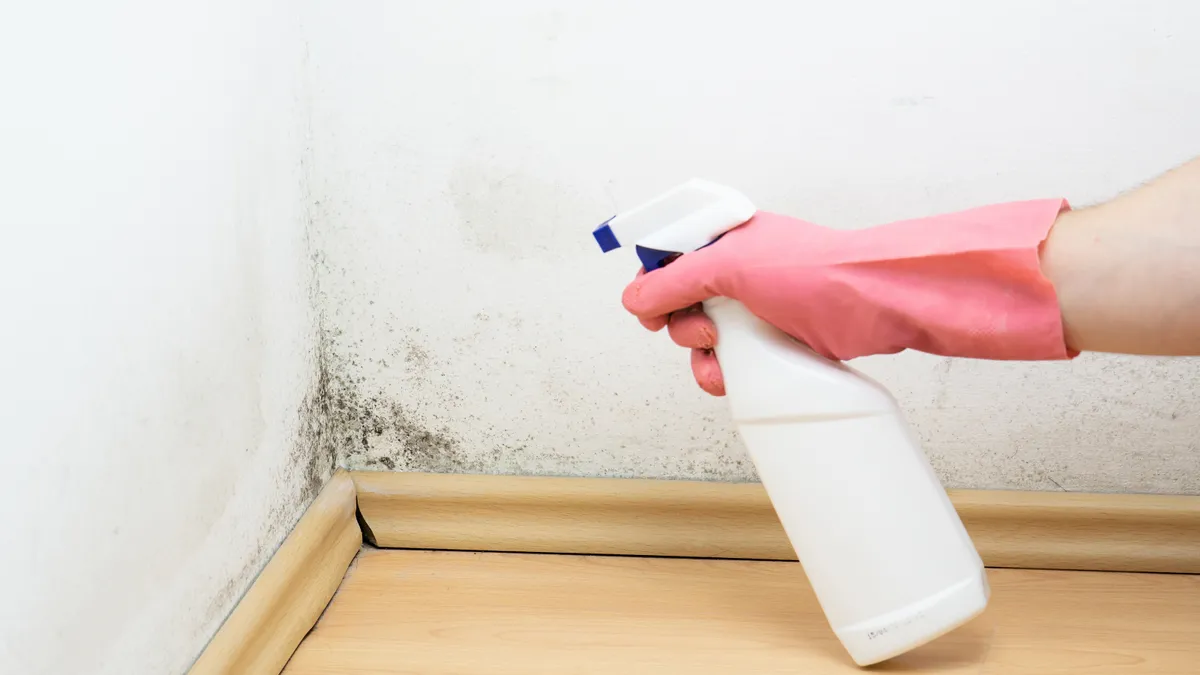
"The space under the bed is also a prime spot for mold," says Dr. Nye. And if the mold is under the bed, it might not take long for it to move into the bed.
Why mattress mold is a health risk
Mold is more than just an unwanted stain. Left to grow, mold in your mattress can have serious negative repercussions on your health.
"Mold reproduces by releasing microscopic spores and mycotoxins into the air, which are easily inhaled during the 7 to 8 hours you spend asleep," explains Dr. Nye. "This triggers an immune response, leading to allergic rhinitis (sneezing, congestion, runny nose, and itchy eyes) and significantly exacerbating symptoms for those with asthma."
And the longer the problem is allowed to grow, the worse the impact it can have on your health.
"Prolonged exposure can result in chronic illnesses," says Dr. Nye. "Mold spores can also severely worsen conditions like eczema and trigger contact dermatitis."
How to get rid of mattress mold
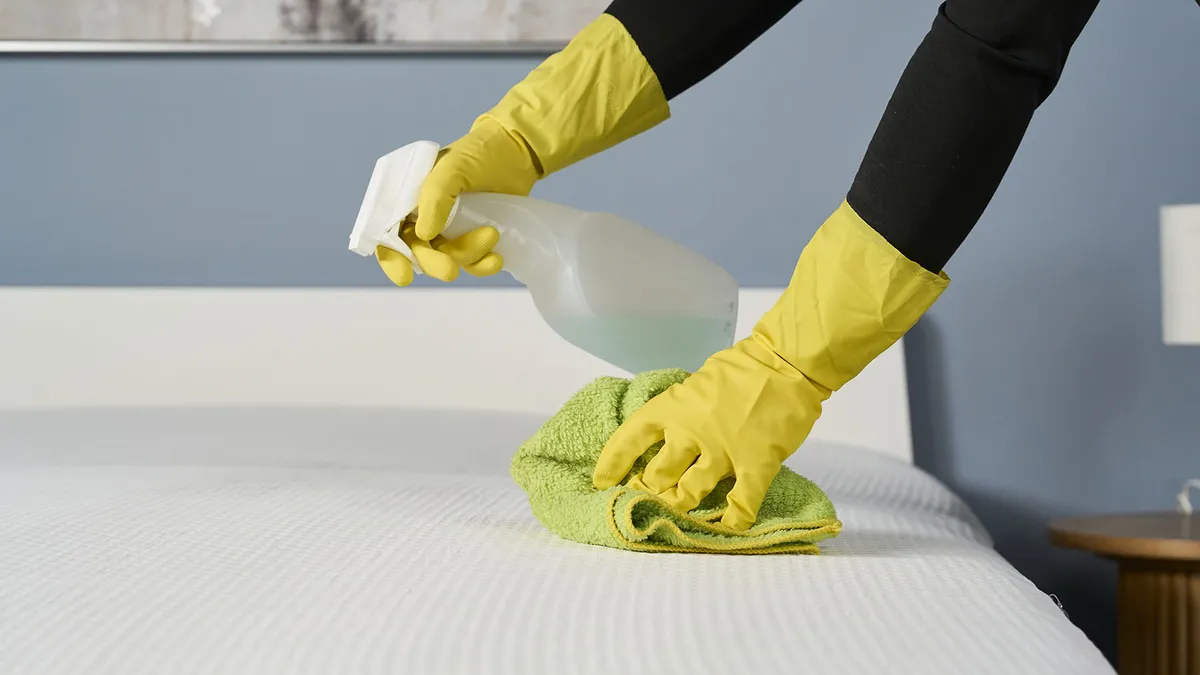
We previously asked the experts how to get rid of mattress mold. They advised spot treating any stains with ingredients you probably have in your kitchen: white vinegar and baking soda.
Begin by mixing equal parts white vinegar and water. Spray the solution lightly on the stain and leave for 20 minutes. Blot dry, then apply a thin layer of baking soda. Leave to sit for several hours and then vacuum thoroughly.
Dr. Nye also has advice on preventing mattress mold from becoming a problem in the first place. He recommends:
- "Avoid making your bed straight away, allow the air flow and condensation to lift."
- "Avoid bed frames with solid bases, opt for slatted beds to improve air flow."
- "Protect mattresses with covers to stop body secretions entering the material."
- "Improve humidity in the bedrooms" — a dehumidifier is a good place to start.

Follow Tom's Guide on Google News and add us as a preferred source to get our up-to-date news, analysis, and reviews in your feeds.