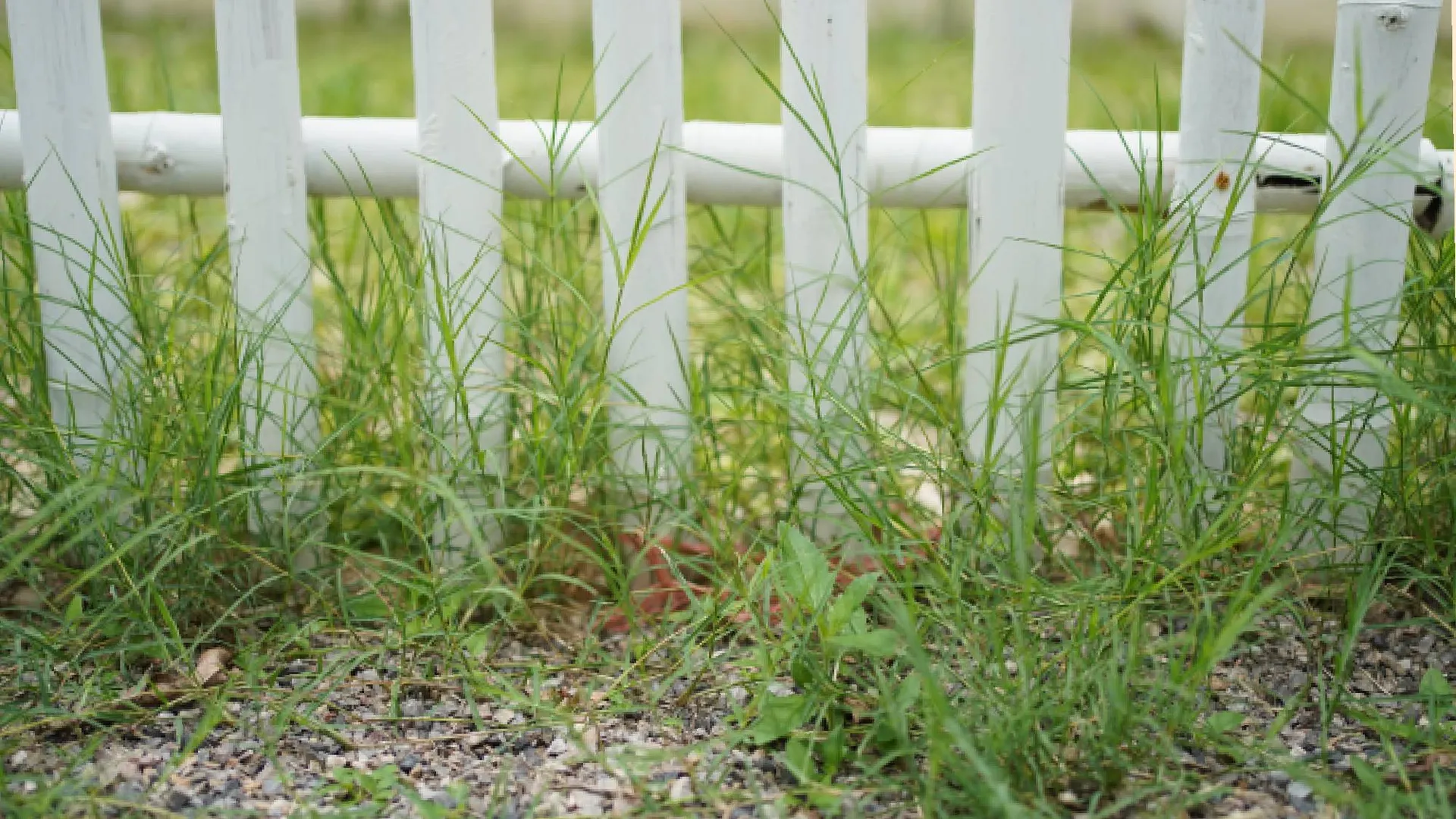
Few things spoil a manicured garden faster than stray grass sneaking across the boundary line. You can spend hours mowing, edging, and weeding your lawn, only to look down and find vigorous runners from next door pushing beneath the panels and invading your borders. It looks messy, creates double the maintenance work, and pulling it out by hand only delays the inevitable.
The issue comes down to plant biology rather than poor gardening habits next door. Grass doesn’t care about boundary lines — it sends creeping roots sideways just beneath the soil, while wind easily blows seeds right under the fence panels. If you want a clean dividing line that lasts, you have to cut off their underground route.
1. Install an underground root barrier
One of the most effective ways to halt creeping grass is to block its roots below the soil line while simultaneously stopping its surface runners above ground. Flexible garden edging made from heavy-duty plastic, metal sheeting, or slim concrete strips creates a physical wall that aggressive roots and runners struggle to penetrate.
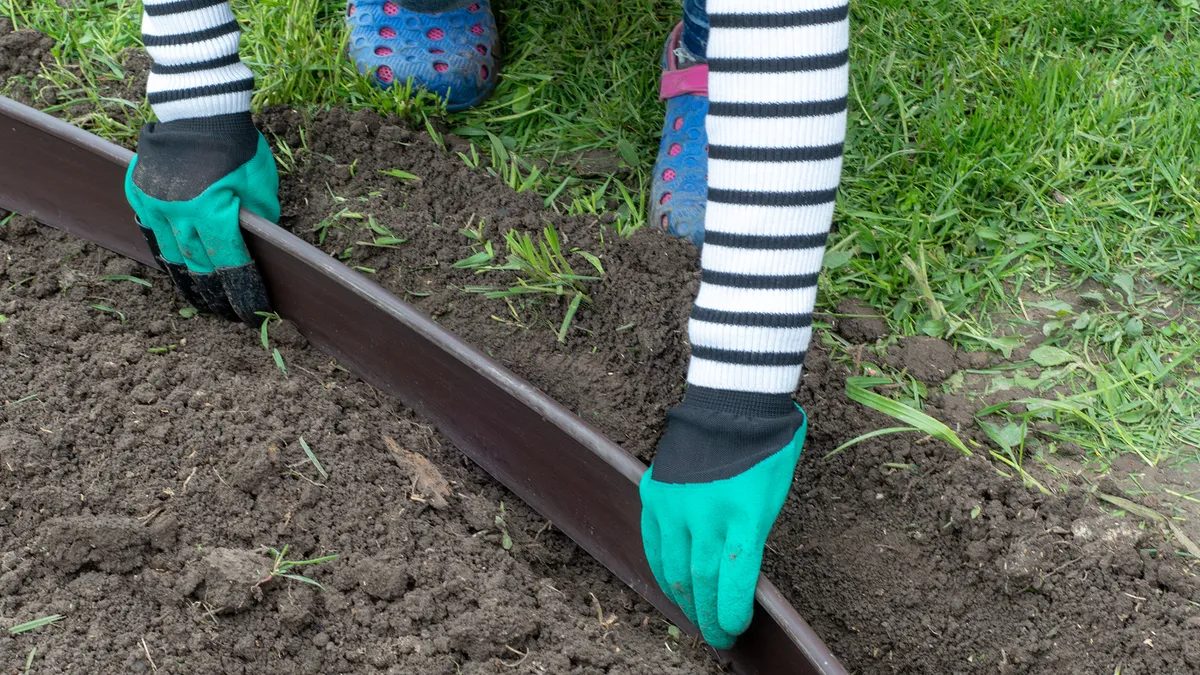
To set one up properly, carve out a narrow trench directly along your boundary or fence line, aiming for a depth of roughly four to six inches. Slot your edging material vertically into the channel so that it sits an inch or two above the soil line —this small lip is crucial for stopping surface runners from jumping over.
Then backfill the soil firmly on both sides to pack out any air pockets, keeping the barrier secure and low-profile while it blocks creeping roots from crossing the gap.
2. Build a gravel or mulch buffer zone
If digging deep trenches along an entire boundary feels like too much work, creating an inhospitable barrier zone above ground works almost as well.
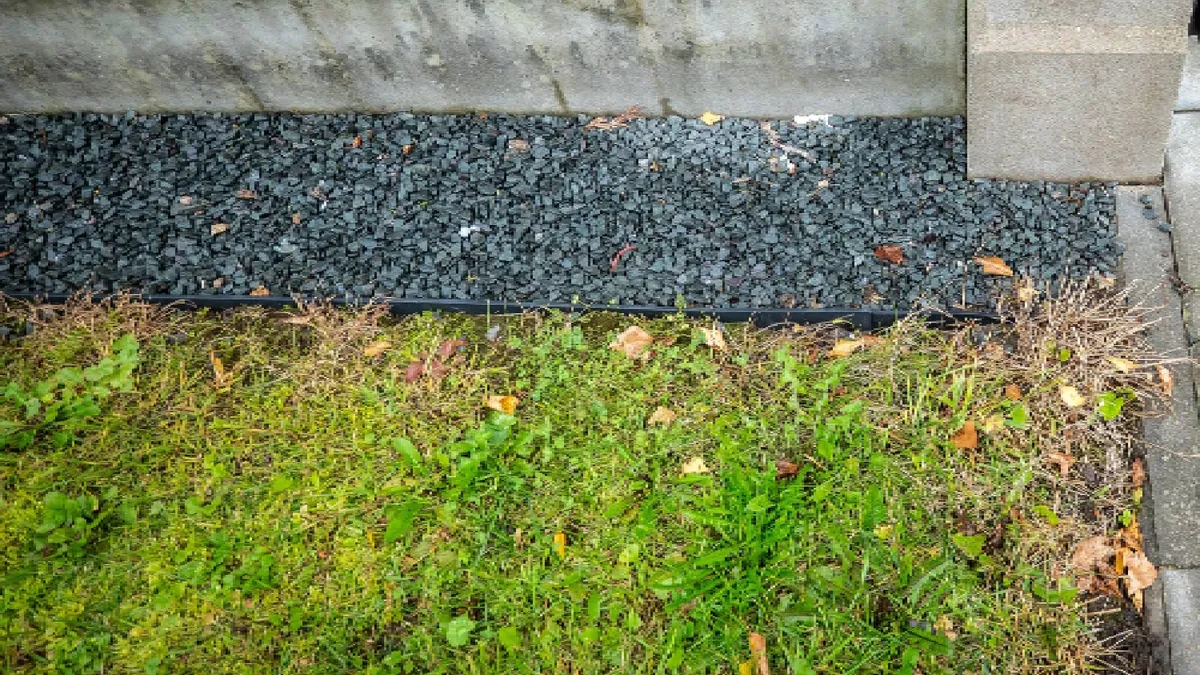
Clear out any existing green shoots directly beneath the fence line, unroll a durable layer of breathable landscape fabric along the strip, and pin it flat with ground pegs. Then simply top it with a three to four inch layer of decorative gravel, crushed stone, or dense bark mulch.
The gravel stops water from collecting, making the ground far too dry for shallow surface roots to settle, while bark naturally blocks sunlight from feeding new growth. As an added bonus, if any rogue weeds manage to sprout in the loose stones, you can pluck them out in seconds.
3. Lay down a hard-wearing mow strip
For anyone looking for a permanent, fuss-free boundary, laying a solid mowing strip right under the fence provides the neatest finish.
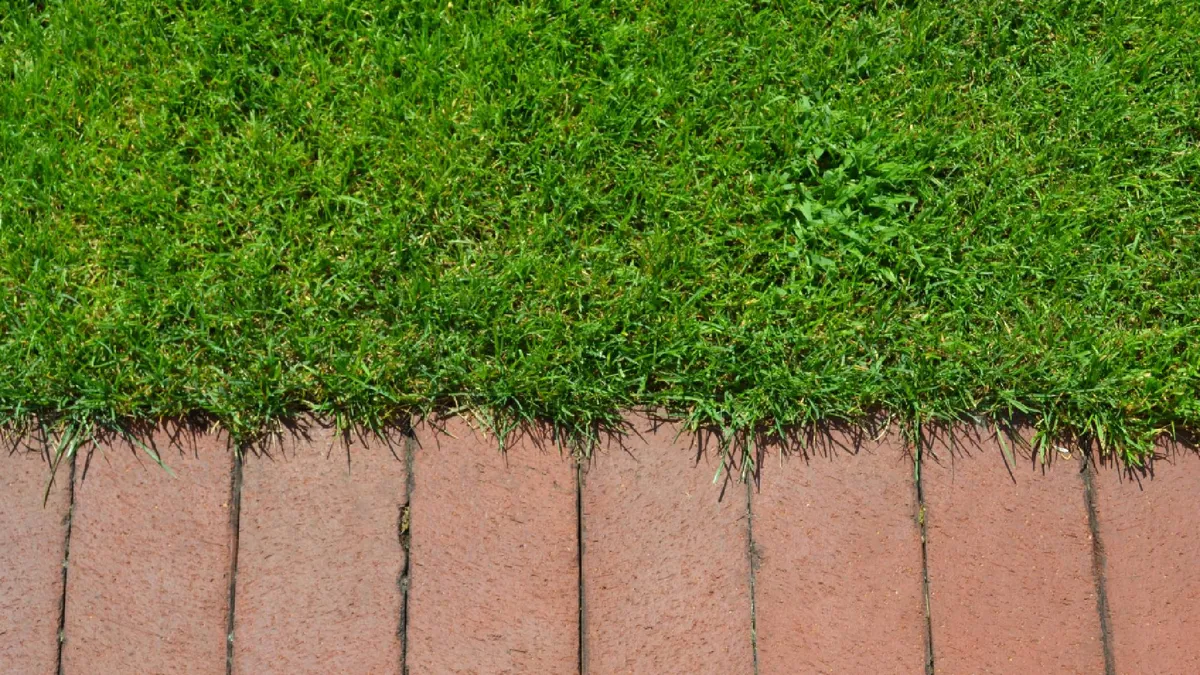
Sinking concrete slabs, stone pavers, or bricks flat into the ground does double duty: it completely blocks the soil under the fence panels, while giving your lawnmower wheel a flat track to run along.
While it takes a bit of measuring and levelling to put in, it saves you from having to awkwardly strim against wooden fence posts every weekend. If the occasional stubborn blade manages to poke through the cracks between pavers, pouring boiling water straight over it will destroy the roots, without needing to spray harsh weed killers near your plants.

Follow Tom's Guide on Google News and add us as a preferred source to get our up-to-date news, analysis, and reviews in your feeds.
More from Tom's Guide