



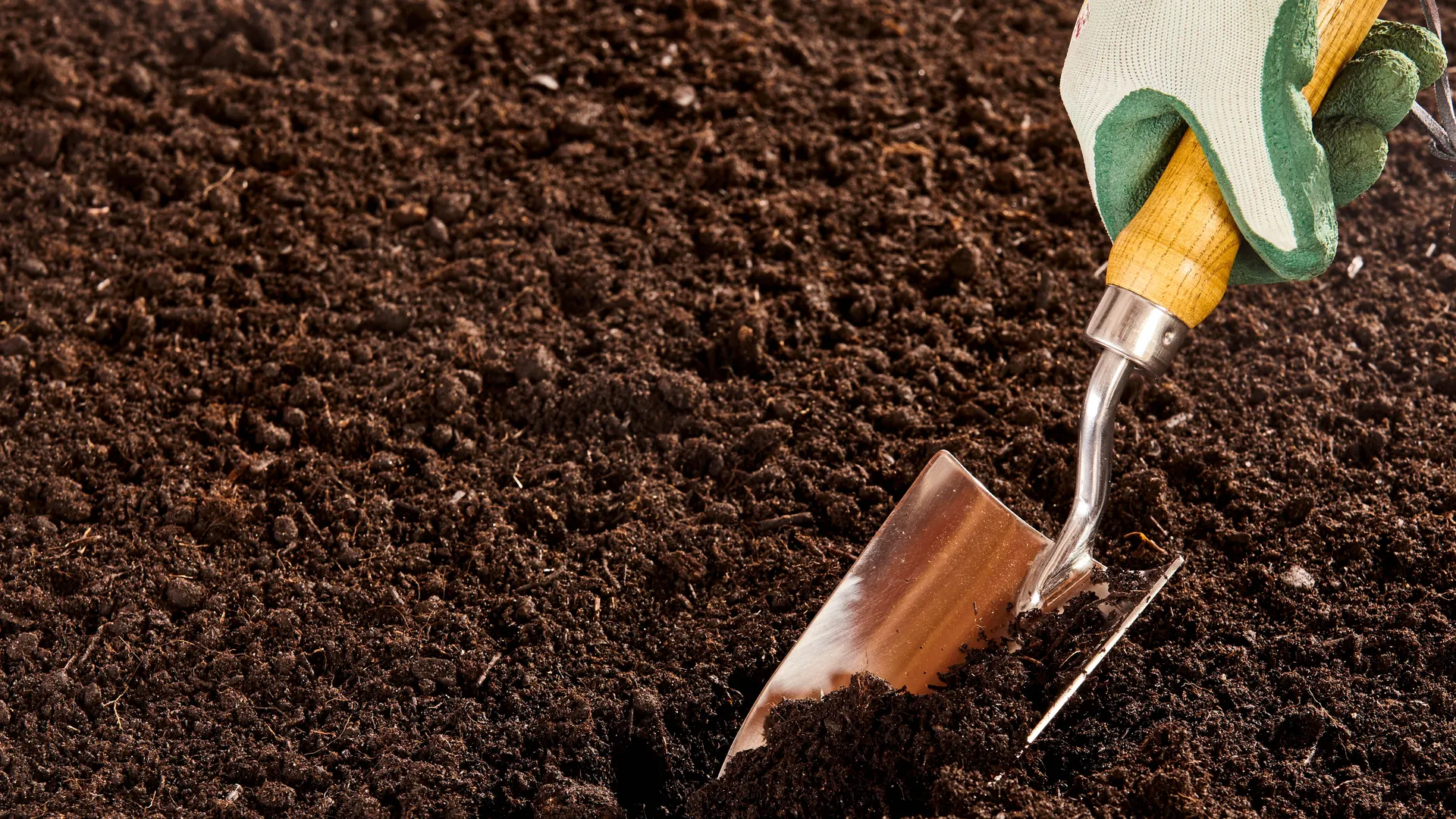
When it comes to our gardening supplies, quality soil can make all the difference to help our plants and homegrown produce thrive.
But, as I’ve come to learn, not all soil types are created equal. And while I had assumed that topsoil and gardening soil both do the same thing, I had been buying the wrong type all along. In fact, you’re probably guilty of buying the wrong soil for your yard too.
So how do you know which soil is best for your needs? Luckily, I called on the experts to share the key differences and why it’s important to know (for your yard’s sake). Before you head down to your nearest garden center, find out all you need to know about topsoil and garden soil, and when to use it.
What is garden soil and what can you use it for?
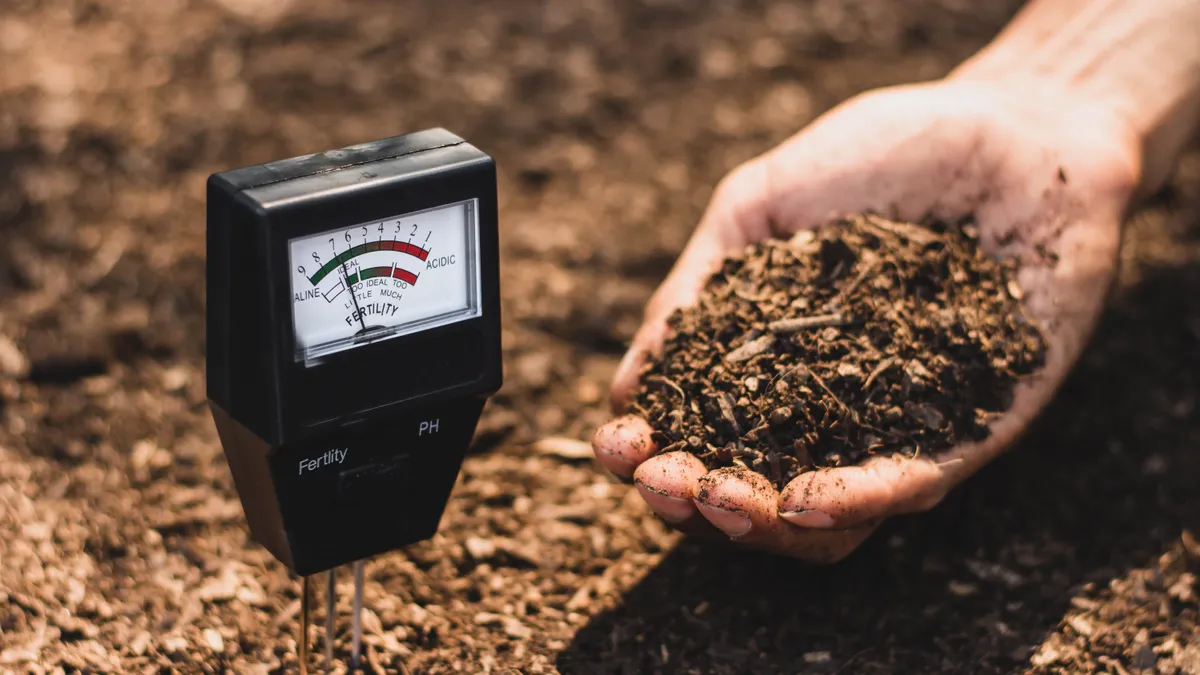
Garden soil, often called planting mix or potting soil, is essentially a type of soil created specifically for use in containers and gardens. It mainly consists of both organic and inorganic matter and nutrients, such as compost, peat moss, sand and perlite. However, the exact composition of garden soil can vary. So what can you use it for in your yard?
“You can use garden soil for in-ground planting areas such as flower beds, vegetable gardens, and the upper layer of raised beds,” advises Jessica Mercer, Horticulturist | from Plant Addicts. “It is meant to improve fertility, drainage, and structure, so roots have a better place to establish.”
If you’re planning a big gardening project or planting beautiful flowers, then garden soil is recommended to use.
“Garden soil will be used in larger-scale gardening projects, if you’re looking to adjust your levels or dig up your pre-existing ground,” adds Chrissie Handley, a lawn care specialist and gardening expert working for Online Turf.
“Whereas topsoil can be used for smaller projects, like flower or vegetable beds, or as a base for turfing. Some people assume garden soil will be the same quality level of topsoil, which isn’t true, garden soil can have a range of natural debris, like stones, bugs, etc., as it comes from the ground”.
Before choosing garden soil, it’s helpful to know and be able to identify your soil type, to get the most out of your gardening results. In fact, soil type often gets overlooked, and this is the one gardening mistake that could stop your plants from thriving. So be sure to get to know your dirt with a soil testing kit that you can easily buy online. This can also determine your soil’s texture, pH (acidity or alkalinity), organic matter content, and available nutrient content.
What is topsoil and what can you use it for?
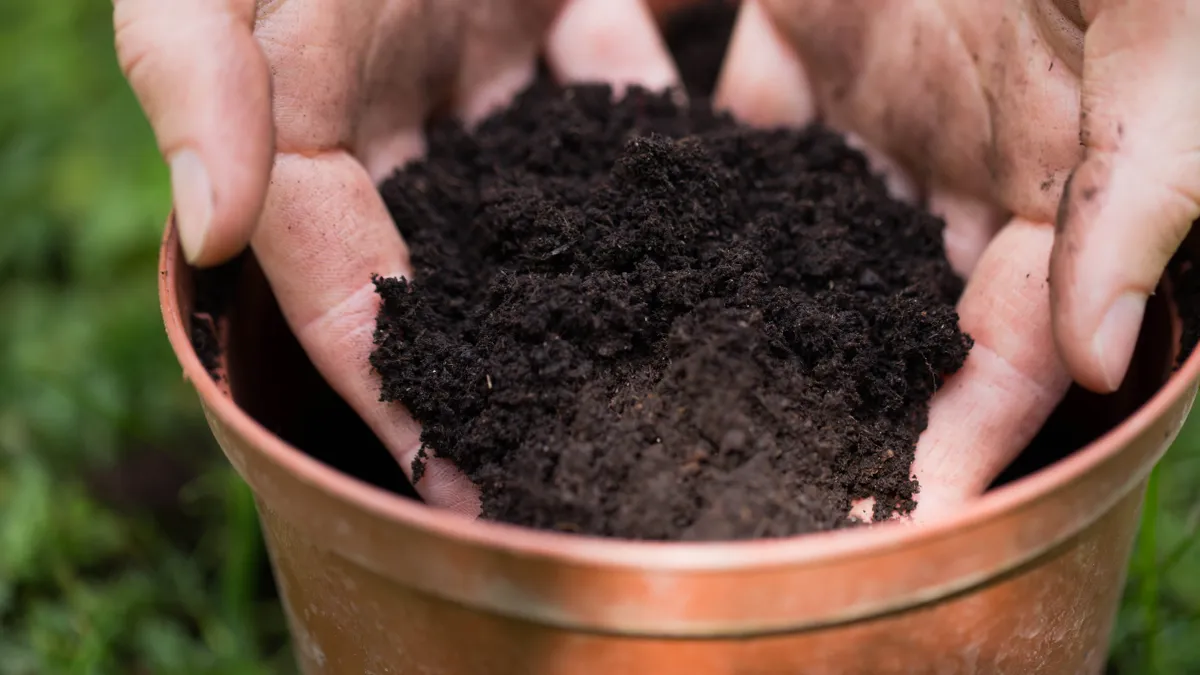
As the name suggests, topsoil is the layer of native soil that goes on top of your your pre-existing ground. Similarly, this tends to be packed with rich organic matter and microorganisms and comes in different forms.
“There are different types of topsoil (e.g. clay, sand, loam) depending on where it was sourced,” advises Mercer. “Bagged forms are available to fill low spots, improve grade, topdress a lawn, or add bulk to the bottom portion of a raised bed. It is useful when you need soil volume, but by itself it is usually not rich enough for heavy-feeding plants like vegetables.”
Depending on what you need topsoil for, what is the best method of applying it to your yard? “I’d actually recommend mixing it into the pre-existing ground to help create a lighter, fluffier mixture altogether, which will harbour growth better,” recommends Handley.
“But some gardeners will simply sprinkle on top for a healthy top layer, it can also be used to sprinkle over the top of seeds, etc., to help them germinate and to stop birds from picking seed off your ground. ”If you’re planning on sowing seeds this season, check out these 7 tips for sowing seeds outdoors this spring for a blooming garden.
By understanding the difference between topsoil and garden soil, this should now make your purchasing decision for your backyard much clearer. Plus, this can be a costly investment, especially over the long term — and so it’s vital that you buy the right soil for your gardening needs.
Gardening essentials we love

Follow Tom's Guide on Google News and add us as a preferred source to get our up-to-date news, analysis, and reviews in your feeds. Subscribe to Tom's Guide on YouTube and follow us on TikTok.
More from Tom's Guide

