Want a bumper crop on a budget? Grow these 7 high-yield vegetables in May
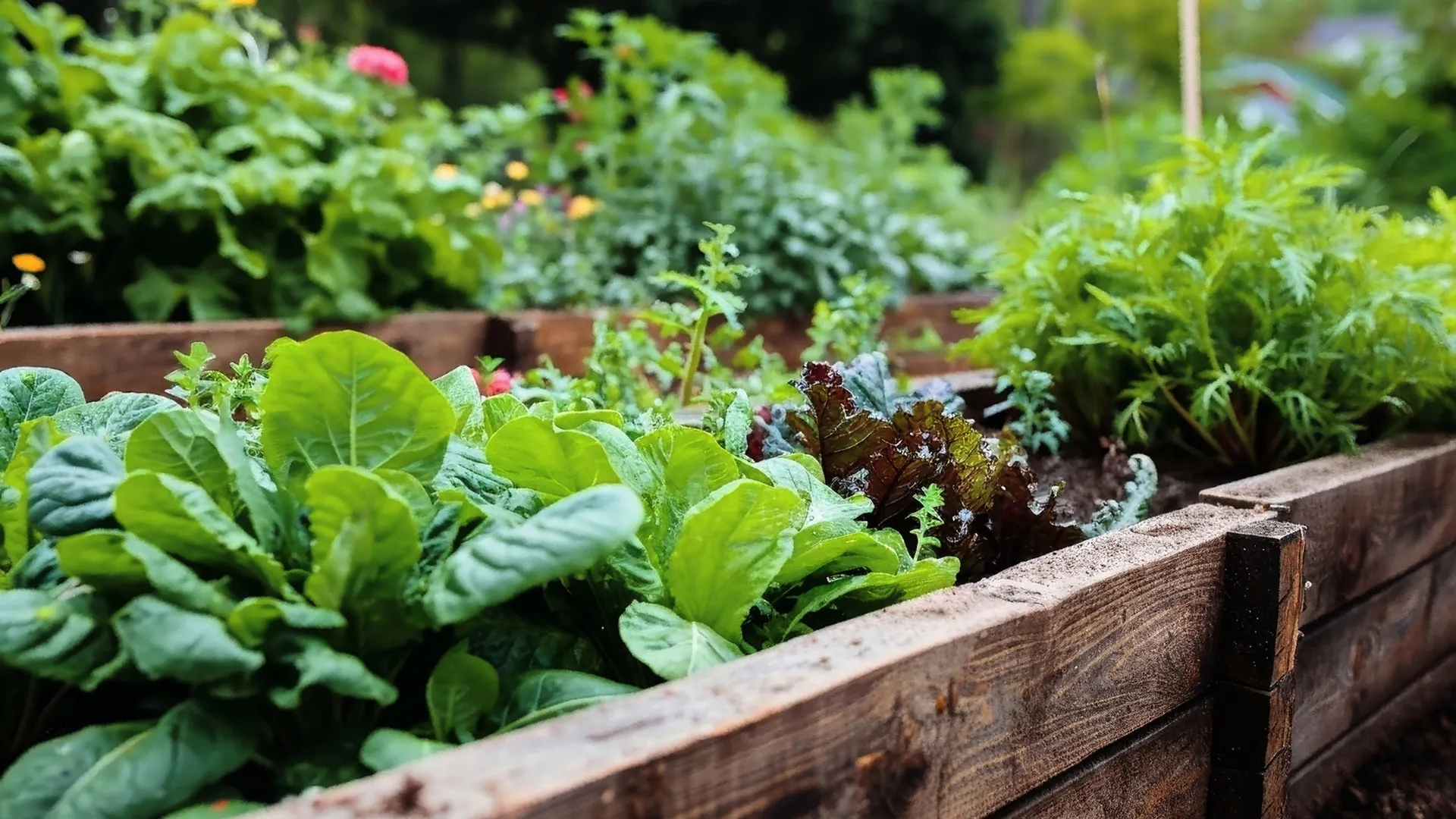
While gardening isn’t all about productivity, it’s particularly satisfying when a single plant grows an abundance of vegetables throughout the season. If you’re looking to get more from your garden without spending a fortune, May is one of the best times to start planting.
Warmer soil, longer days, and more reliable weather create ideal conditions for fast growth, which usually goes hand in hand with quicker harvests and better overall yields. For the price of a few seeds, you can end up eating delicious home-grown produce throughout the summer.
Tips when growing high-yield vegetables
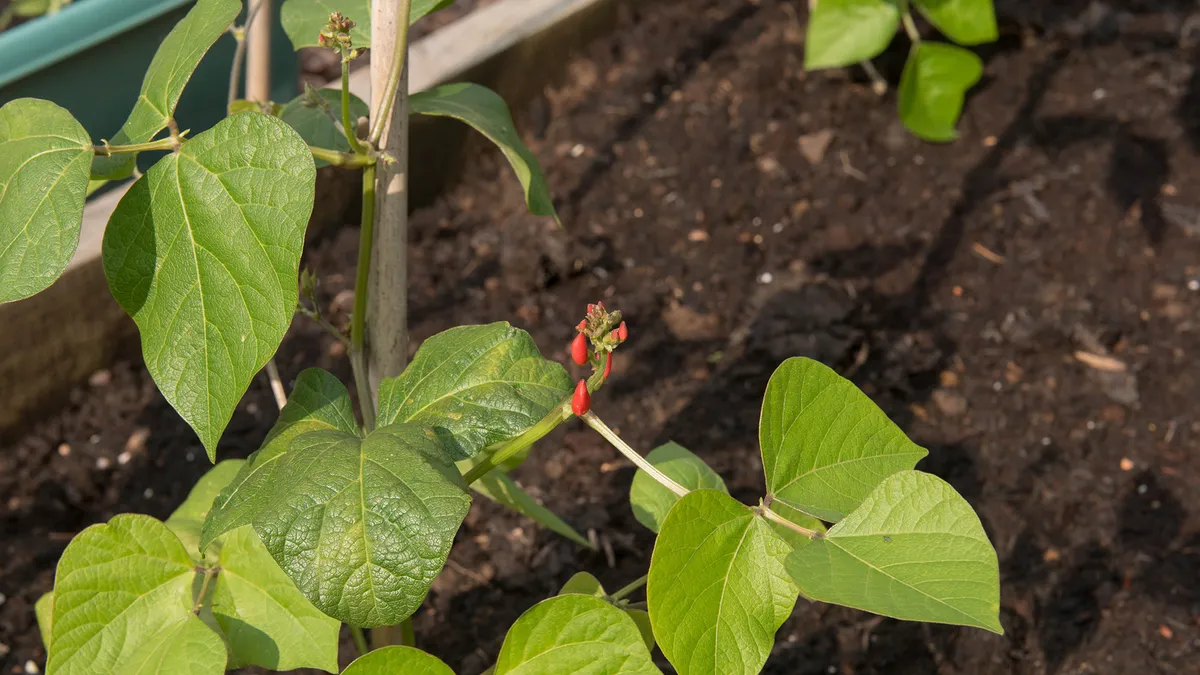
Choosing the right plants is also critical. Focusing on high-yield vegetables is a simple way to make your garden work harder for you, without sacrificing flavor in the final harvest. Some crops produce continuously, while others mature quickly for repeat sowings.
Vertical growers are also a great way to get surprisingly large harvests from just a small footprint. With the right mix, you can keep your kitchen stocked for weeks — or even months — from a relatively small space, at a relatively low price.
Focus on keeping plants well-watered, harvesting often, and sowing regularly, and you’ll be rewarded with a steady, budget-friendly supply of fresh produce throughout the season.
Whether you’re planting in beds, raised planters, or containers, these 7 vegetables are all excellent choices to sow or plant in May if you want a productive, budget-friendly garden.
1. Zucchini
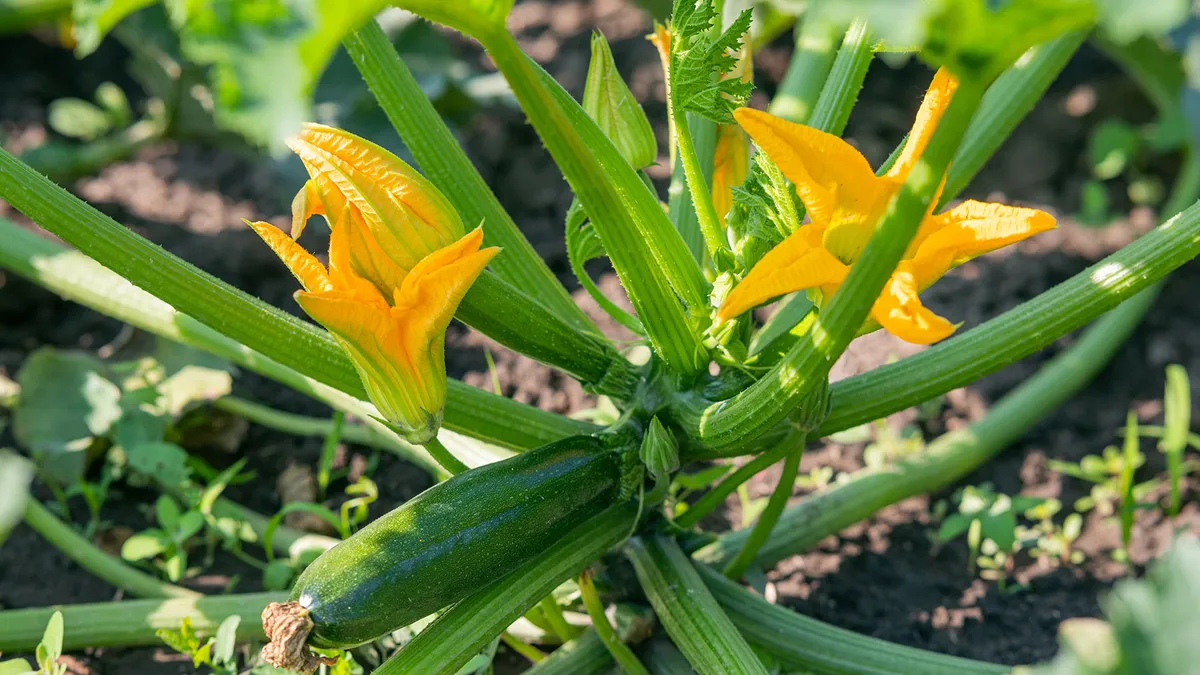
Zucchini is a prolific summer vegetable that can produce an impressive number of fruits from just one plant. Planting in May gives it the warmth it needs to establish quickly and grow vigorously. Once it starts cropping, it often keeps going for weeks, with new fruits forming rapidly
To plant
Sow seeds about 1 inch deep in fertile, well-draining soil in full sun. Allow 2–3 feet between plants to accommodate their size. Water consistently and harvest fruits while they’re still small to maintain quality and encourage further production. Keeping the plant well-fed will help sustain its heavy output.
Best for USDA zones: 4–11
2. Green beans
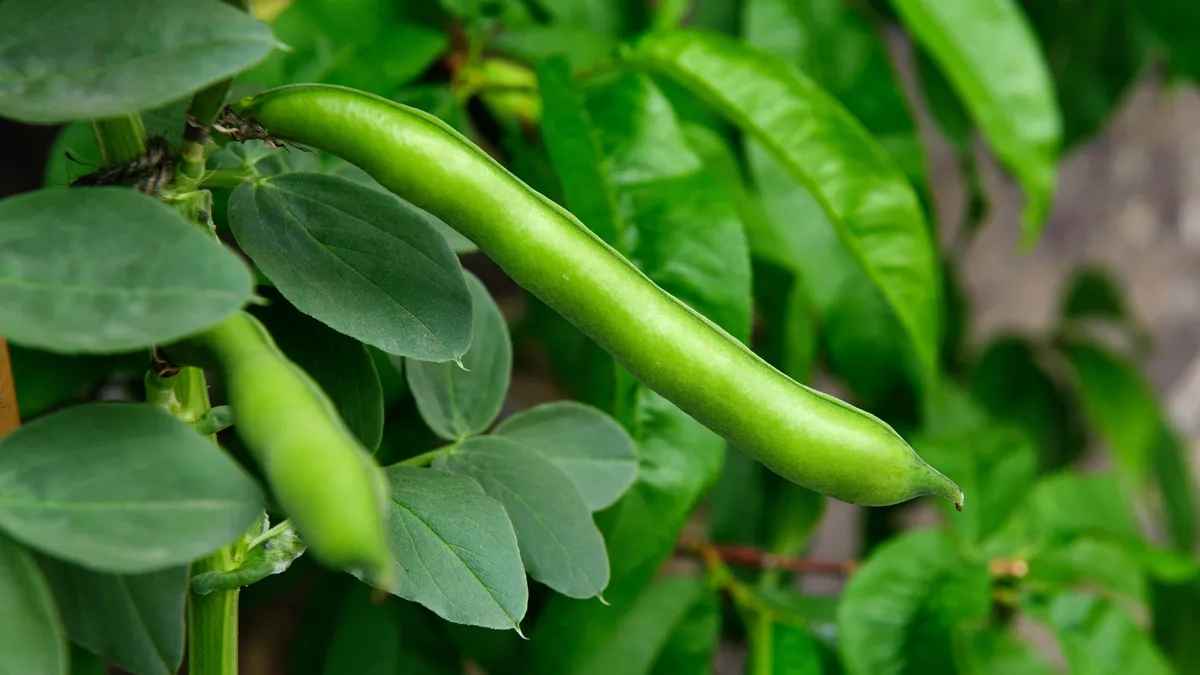
Green beans are reliable, fast-growing plants that offer a steady stream of harvestable pods. Climbing varieties, in particular, can make excellent use of vertical space, giving you more yield per square foot and freeing up space for other crops. Sowing in May means seeds go into warm soil, which helps them germinate quickly and grow without setbacks.
To plant
Sow seeds around 1 inch deep in a sunny spot, spacing them 2–4 inches apart. Provide structures for climbing types early on, to ensure they can grow upright with sufficient support. Water during dry spells, especially once flowers appear, to ensure healthy production. Regular picking keeps plants productive and can also prevent pods from becoming tough, so they’re tastier to eat.
Best for USDA zones: 5–10
3. Lettuce
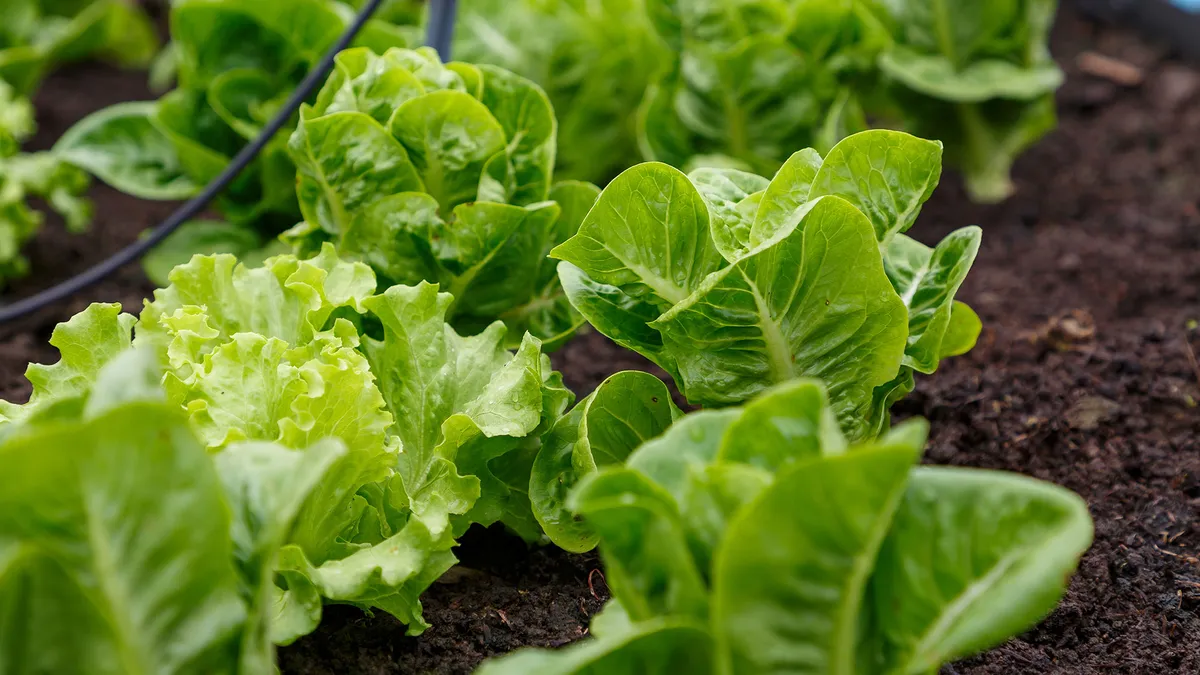
Lettuce is a quick-turnaround crop that can be harvested repeatedly over a short period. Simply sow seeds consistently through the summer to ensure a regular supply of leafy greens. Starting in May ensures the early plants have sufficiently warm conditions to speed up germination and leaf production, especially for loose-leaf varieties.
To plant
Sow seeds thinly and cover lightly with soil. For continuous harvests, sow every couple of weeks. Keep soil evenly moist and harvest outer leaves regularly. Choosing heat-tolerant varieties can help extend the growing window as temperatures rise.
Best for USDA zones: 3–9
4. Radishes
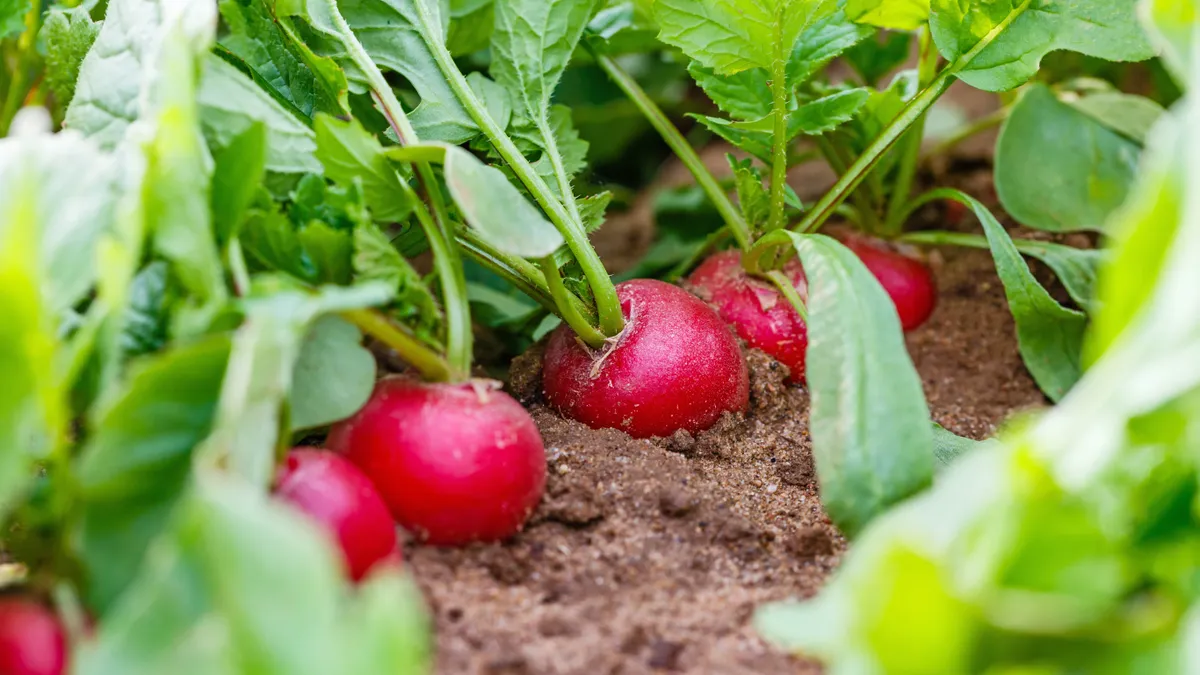
Radishes are one of the fastest crops you can grow, making them ideal for maximizing output in a short time. With May’s warmer soil, they germinate in just a few days and mature quickly, allowing for multiple sowings in succession. This rapid cycle makes them perfect for filling empty spaces between slower crops, and their high water content makes them a refreshing choice during hot weather.
To plant
Sow seeds in shallow drills and cover lightly. Thin seedlings early to give roots room to develop. Water consistently to maintain good texture and flavor, then harvest promptly once ready. Resow frequently for a continuous supply, or whenever you have extra space in the garden.
Best for USDA zones: 2–10
5. Tomatoes (from transplants)
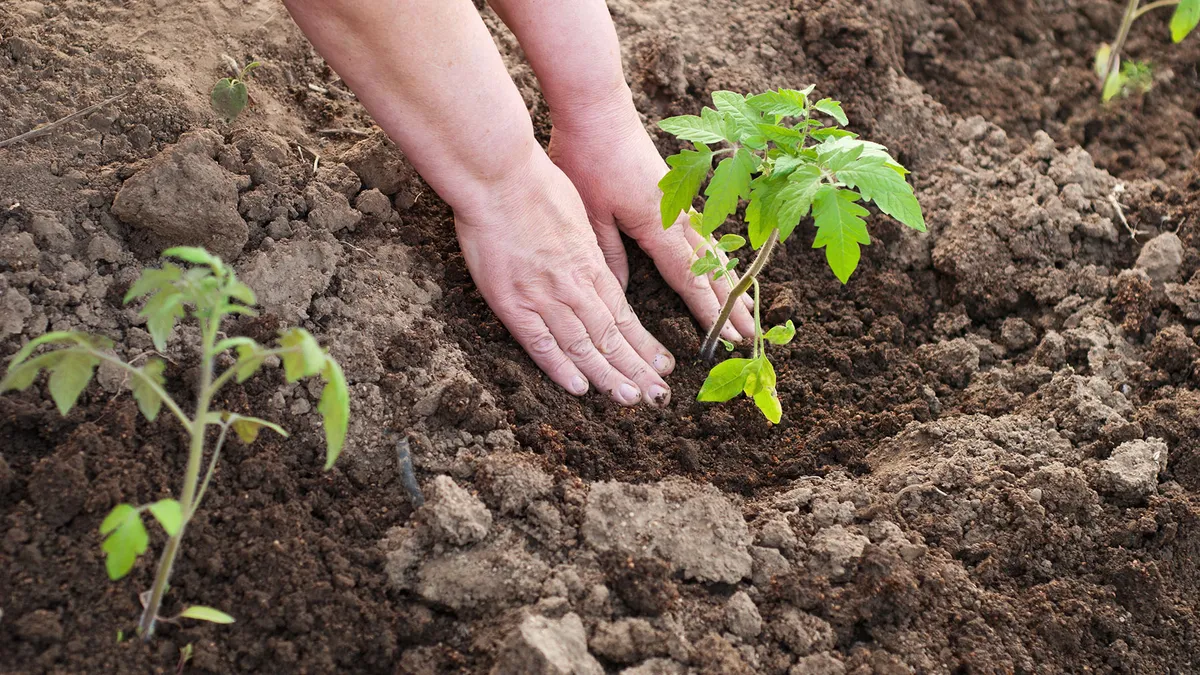
Tomatoes are a long-season crop that reward patience with heavy yields over time. By May, conditions are usually warm enough to transplant young tomato plants outdoors, allowing them to establish strong roots and begin steady growth. With proper care, a single plant can produce dozens of fruits across the season. If you didn’t start seeds earlier in the year, don’t worry; you can buy young tomato plants that are ready to be planted outdoors.
To plant
Place tomato plants in a sunny, sheltered position in nutrient-rich soil. Bury stems slightly deeper to encourage root development and provide sturdy support. Water consistently and feed regularly to promote greater harvests. Pruning side shoots on certain varieties can also help channel energy into fruit production.
Best for USDA zones: 4–11
6. Cucumbers
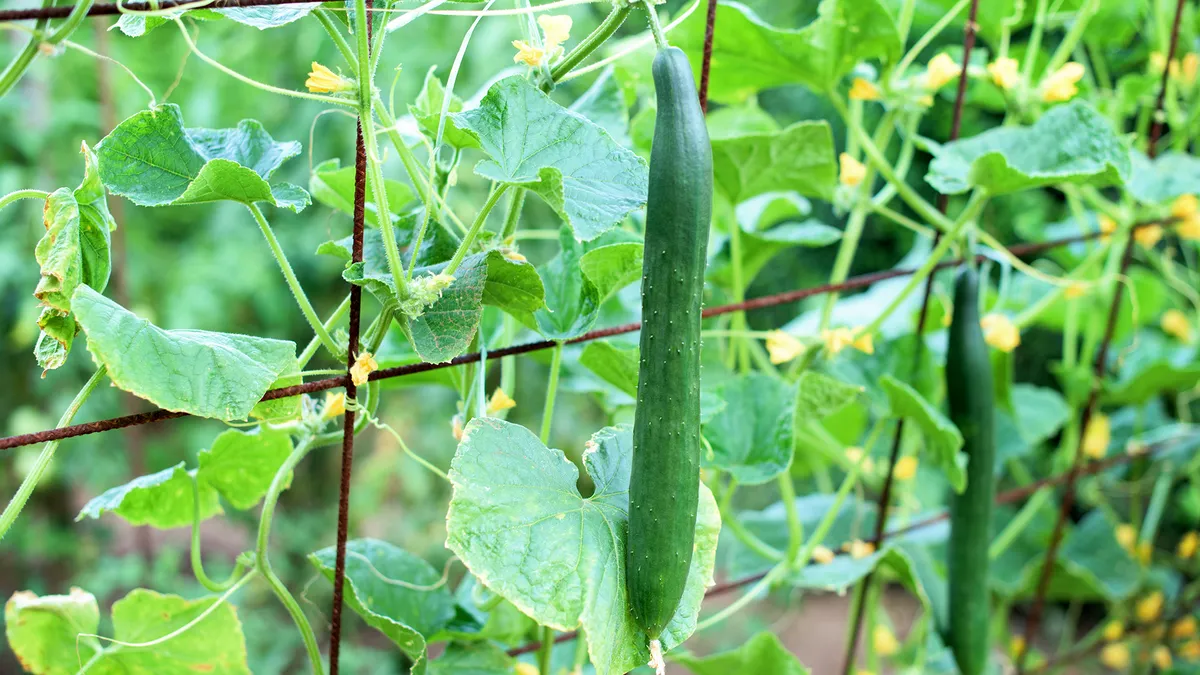
Cucumbers are vigorous growers that can produce large quantities of fruit over a relatively short period. Sowing in May gives them the warmth they need to grow rapidly and start producing earlier in the season. This is also a small footprint warrior, so be sure to train them to grow vertically, as it not only saves space but also improves airflow and makes harvesting easier.
To plant
Sow seeds about 1 inch deep in full sun and well-draining soil. Space plants well and provide a trellis or support for upward growth. Keep soil consistently moist, as cucumbers are sensitive to drying out. Harvest regularly to keep plants producing and prevent fruits from becoming oversized and flavorless.
Best for USDA zones: 4–11
7. Swiss chard
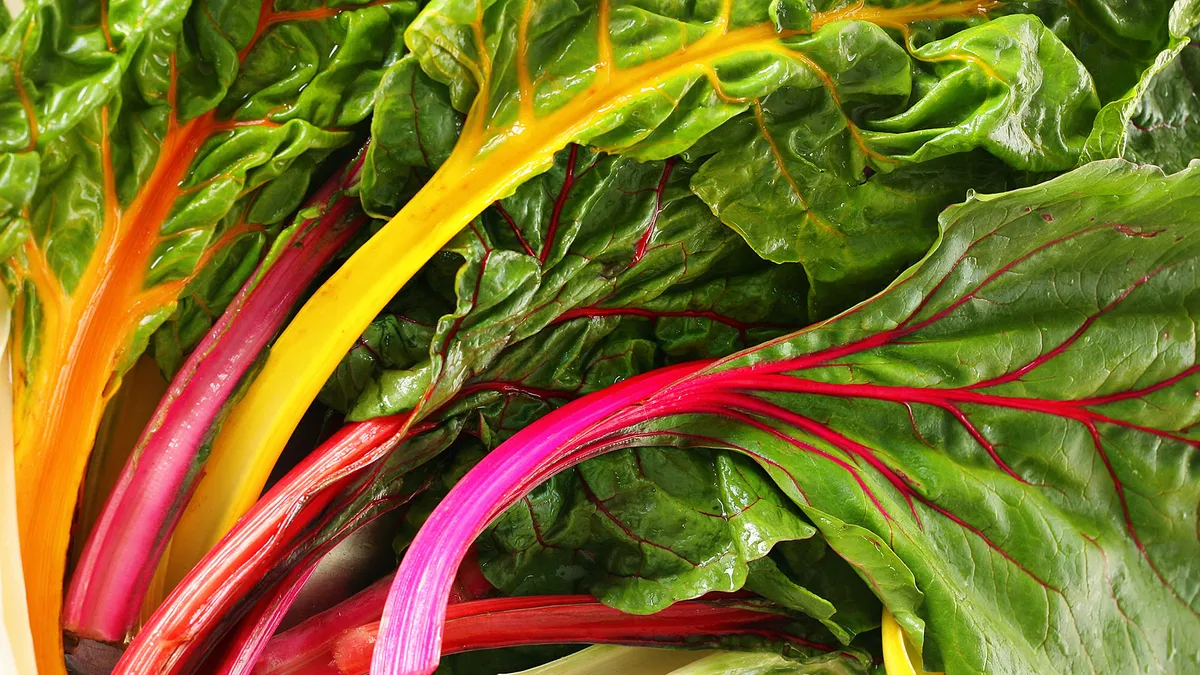
Swiss chard is a hardy leafy vegetable that offers repeated harvests over a long season. Once established, it continues to produce new leaves even after regular picking, making it one of the most dependable crops for consistent yields. It also tolerates a range of conditions, including partial shade, so it’s a great all-rounder no matter where you live.
To plant
Sow seeds about ½ inch deep in rows, spacing plants 6–12 inches apart. Water regularly to encourage steady growth. Harvest outer leaves first, allowing the center to continue producing. Its colorful stems also make it an attractive addition to both vegetable beds and ornamental borders.
Best for USDA zones: 3–10
Gardening essentials we love

Follow Tom's Guide on Google News and add us as a preferred source to get our up-to-date news, analysis, and reviews in your feeds. Subscribe to Tom's Guide on YouTube and follow us on TikTok.
More from Tom's Guide
- Why are my tomato plant leaves turning yellow? 5 steps to save your harvest
- Stop spending a fortune on expensive lawn treatments: These 7 genius budget-friendly hacks will give you a stunning green yard using simple tricks like recycling kitchen coffee grounds and a 5-minute fix for bare patches
- Watch the magic unfold: How adding 1 kitchen waste product to hydrangeas will guarantee deep blue blooms