Spring is officially here and that means it's time to head out into your yard to breathe life back into your lawn. Having suffered through the cold, winter months, your neglected grass is ready to enjoy the sunshine, as long as you help it. Begin now and you've got a head start on the rest of the summer.
But, you need to make sure you're doing the right things. And if you've found yourself here, you're also looking to avoid doing the wrong things. Fortunately, I've asked gardening experts to reveal exactly what they'd advise not doing to your lawn in March and what you should be prioritizing instead.
So, here's how to streamline your lawn care regime, including the tasks you need to avoid and the ones you should be incorporating into your routine. Follow this expert advice and you'll be reaping the rewards of a luscious lawn in no time.

3 things you should never do to your lawn
1. Mow too early
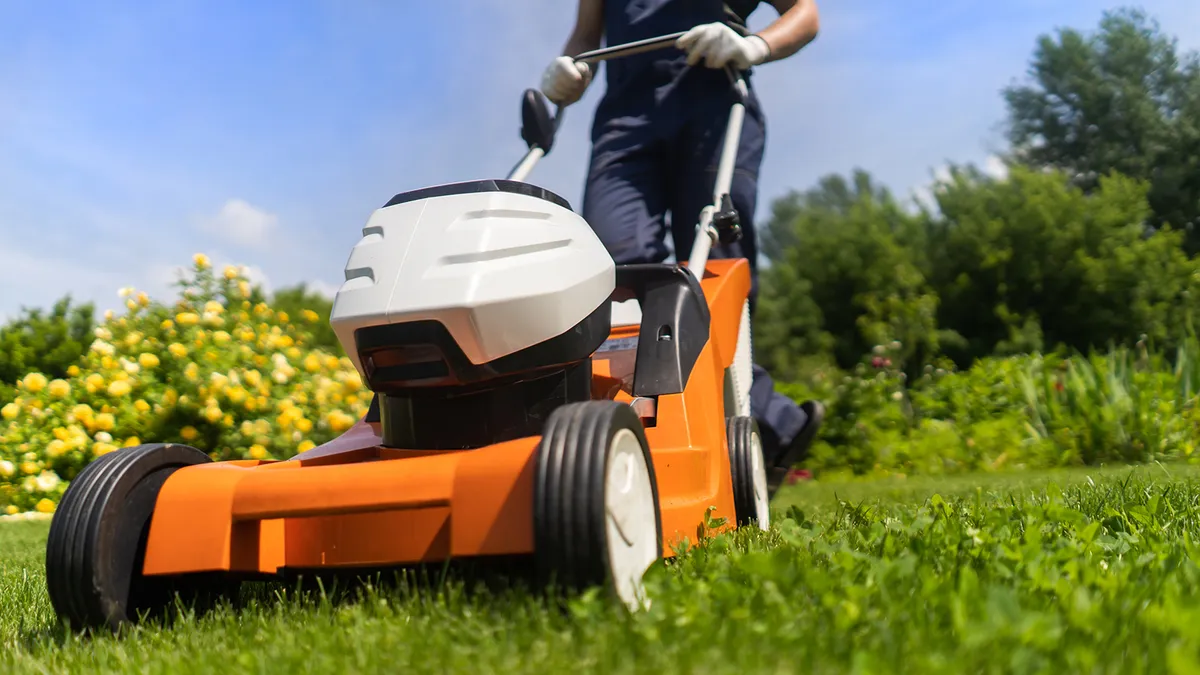
The sun is shining and you can hear your neighbors starting up their mowers, but wait. Bennett Barrier, CEO of DFW Turf Solutions, says it's not quite the right time to mow: "Your grass is still emerging from its dormancy and the root system has not stabilized. Cutting now scalps the blades and puts stress on roots that are just beginning to push again."
"Wait until soil temperatures are 45-55 degrees for cool-season grasses and 60-65 degrees for warm season grasses, when the grass blades reach 4 inches tall," explains Steve Corcoran, CEO of Lawn Love.
If you want to make sure your grass has a chance to grow, wait a little longer for the sunshine to work its magic before you grab that cobweb-riddled mower out of the shed.
2. Forget to scarify your lawn
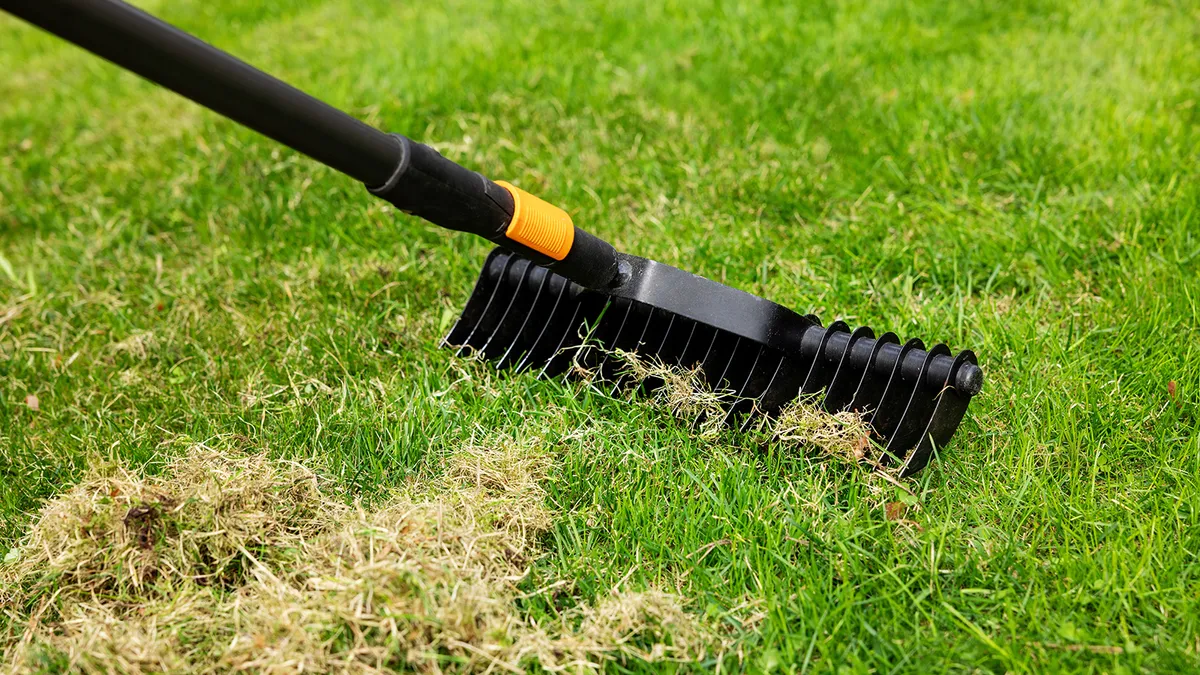
Whilst you shouldn't be mowing quite yet, you don't want to neglect scarifying your lawn first. As gardening expert Bennett explains: "Thatch accumulates throughout the winter and if you do not pull it out, water and nutrients lie on top of the surface and never actually reach the soil. I've seen lawns that were fine from the street but were totally starved underneath."
Craig Elworthy, founder of natural lawn care subscription company Lawnbright, says you should be doing this instead: "Don't do a hard de-thatch, as it could damage the existing turf. Instead focus on gently getting the grass blades to stand up. This helps allow sunlight to reach the soil, which helps your lawn 'wake up' from dormancy and recover quickly from winter."
3. Forget to water it

Another knee jerk reaction when we finally see a bit of sunshine in spring is to get watering and, this time, Bennett says you're right to do so: "March is cool so it doesn't look necessary but the soil dries out faster than you'd think. Grass that goes without water now comes in thin and weak once temperatures climb."
Craig does advises though that you shouldn't start watering on a schedule in March: "We're still in the spring moisture season with rain and snowmelt. Watering now creates weak, shallow roots and can invite early fungal problems. Only start watering when the lawn is actively growing and you can start to see signs of drought stress – lingering footprints, or dry soil."
Top tips for lawn care in spring

While those are three things you shouldn't be doing to your lawn in March, there's also lawn care jobs you should be doing, according to the experts.
1. Test your soil pH
The pH balance of your lawn is a fragile ecosystem that dictates whether your lawn is ready to absorb nutrients and promote growth. If it's not at a certain level, your lawn won't grow as well as it could do.
For this, Bennett explains: "If your pH is below 6.0 or rises above 7.0, then your grass blocks nutrients no matter how much fertilizer you put down. Get a test kit from any garden center and if it reads low work lime in at about 50 pounds per 1,000 square feet."
2. Walk your yard
March and early spring is a great time to assess the damage of the winter months, and as Craig explains, it presents the perfect opportunity to "walk your yard". Fortunately, that's no hard task when the sun is finally beginning to shine, but it's a very important and early part of your spring lawn care.
Craig adds: "Look for any debris from the winter and get it off your lawn," which should also lead you perfectly onto our next top tip for March lawn care.
3. Tackle bare spots
Bare spots can appear on your lawn over the winter where grass has become damaged, thin, or died completely. For this, Bennett advises overseeding those thin patches that you find: "Rake the area lightly to give the top layer a bit of loosening, press seed into soil to direct contact and water daily until you see germination. That typically takes 7 to 14 days depending on your type of grass."
4. Apply pre-emergent weed control
Craig advises that in March, it's a little too soon to use fertilizer on your lawn. Instead, he advises that: "you will get benefits of suppressing weeds later in the summer by applying pre-emergent now."
For the best results, Bennett reveals that you should add the weed control before soil temps reach 55°F: "That's the exact point that crabgrass begins germinating. I use a soil thermometer to monitor it on a daily basis in early March. Miss that window and you're dealing with weeds instead of grass for the rest of the summer."
5. Aerate your lawn
Finally, Steve says you'll want to check if your lawn needs aerating: "Depending on the grass type, you may need to aerate every year or every 2-3 years, and this is an important task because it fights against soil compact and is key for keeping your grass healthy."
But, how can you tell if it needs aeration? Well, The Grass People reveals it could be used a lot all year round, it may show signs of drying out easily over summer and getting waterlogged in the wetter months, and you might also notice a build-up of moss over winter.

Follow Tom's Guide on Google News and add us as a preferred source to get our up-to-date news, analysis, and reviews in your feeds.
More from Tom's Guide