




Perhaps unsurprisingly, smart homes are hot right now – apps and AI are weaving their way into every facet of home life, from turning on the lights and checking security footage to adjusting the thermostat and managing your family's hectic schedule.
"Smart" doesn't always mean... smart, though, and embedding technology into everyday household appliances can sometimes backfire.
Take Neato Robotics' robot vacuum, for example, which ceased operating in May 2023 before its parent company, Vorwerk, phased out cloud services from October 2025 – leaving owners without app controls.
Some might laugh and point to perfectly functional "dumb" vacuums, but Neato is hardly alone in this brave new world: smart lights, cameras, thermostats, and myriad other gadgets can depend on services that might vanish overnight.
In 2026, when almost everything comes with an app or cloud features, buying smart is becoming increasingly important – especially if you want to avoid gadgets with a hidden expiration date.

When smart gadgets suddenly turn stupid
While 'the cloud' might be nice branding, the reality is that many smart gadgets rely on physical infrastructure operated by manufacturers or third-party providers to process commands, manage features, and so on.
For cloud-dependent gadgets, then, the hardware isn't always quite as independent as it might seem.
The situation is exemplified by Belkin, one of the top smart home accessory makers. Back in January, Belkin discontinued cloud services for numerous WeMo products, affecting smart plugs and other household gadgets.
As a result, the WeMo app stopped working, alongside cloud-dependent features like Google Assistant integration. For anyone who'd paid good money for these gadgets, it was subpar, to say the least.
Some devices, however, got a reprieve of sorts: those already configured with Apple's HomeKit before the shutdown could continue working locally.
Even some really popular devices from large companies haven't escaped this. As Google migrated Nest devices to its platform, it discontinued support for some of the original Nest Learning Thermostats.
Can Matter save the day?
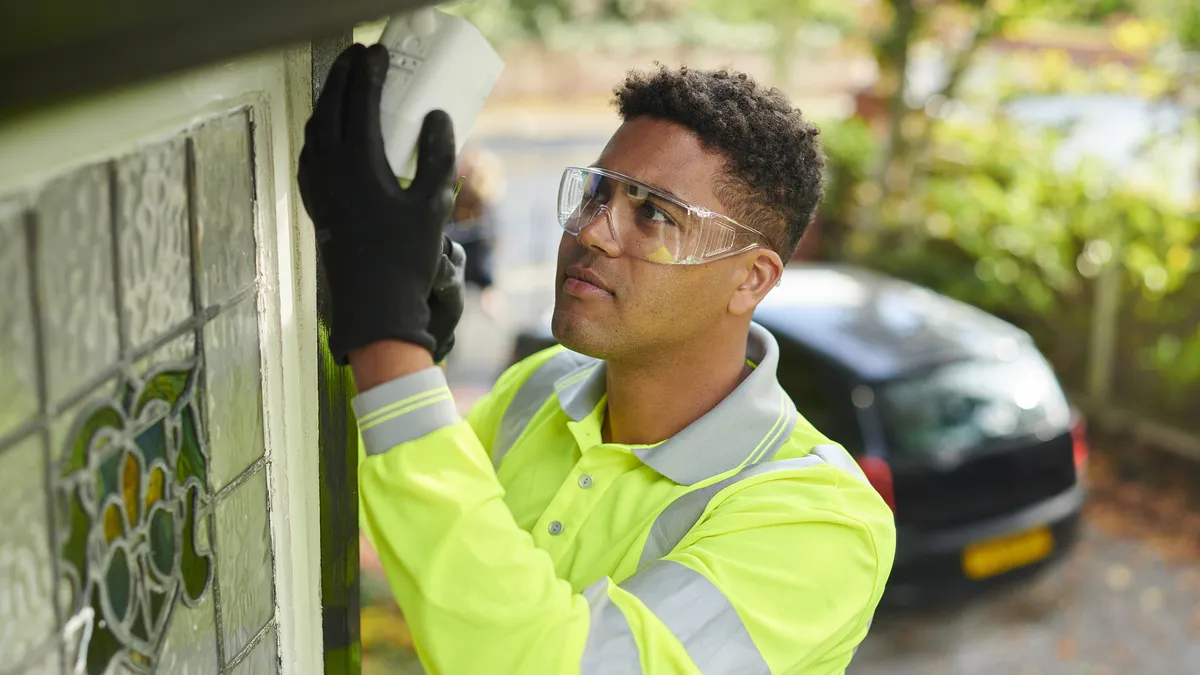
Not every gadget is like this, though. Some can communicate directly over your home network, keeping smart lights and plugs responding to commands without an internet connection or their manufacturer's servers – provided the local controller and network still work.
Enter Matter, a smart home standard backed by tech giants like Apple, Google, and Amazon that allows compatible gadgets to communicate locally with a controller, without relying on proprietary cloud services for basic functions.
Sadly, Matter is not a panacea. Some manufacturer-specific features, firmware updates, and remote access may still require internet connectivity, and certain products need an app or account for their initial setup.
Local control can offer a good amount of protection from a capricious company that cuts off your gadgets, but choosing the right devices in the first place is still key.
Buy smart, stay smart
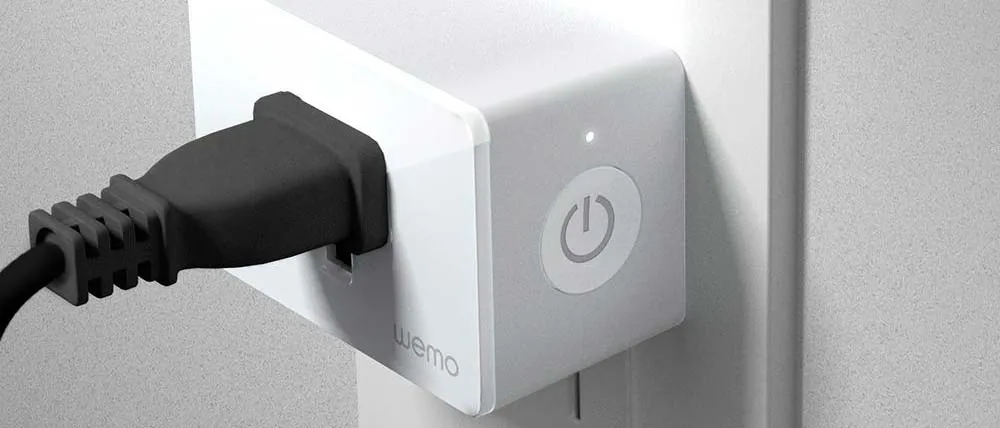
If you're buying new smart home gadgets, there are four things worth checking before handing over your money. We'll explore each of them in turn.
Keep it local
Devices that offer local control and Matter compatibility are a great place to start, as they're less vulnerable to manufacturers switching off cloud services. In our guide to the best smart plugs, options like the TP-Link Tapo Smart Plug Mini support Matter out of the box.
Pull the plug
When the internet goes down, what happens? Can you still turn on the lights or adjust your heating? These are some of the key questions that will help when things go awry. Prioritize essential functions that can work independently, especially when it comes to expensive appliances or security equipment.
Choosing a subscription-free camera with local recording, for example, could save you a lot of headaches – although it's worth checking whether you can still access your footage without the manufacturer's app.
Check the support clock
Research a manufacturer's support policies and commitments before buying, so you won't be caught out. A heavily discounted gadget might seem like an attractive option – only for you to discover it's already several years into its support period.
It's also worth checking the company's track record of withdrawing support or shutting down services; a promise of security updates isn't necessarily a guarantee that cloud features will survive.
Have an exit strategy
Check whether your device can work with another ecosystem or controller – a compatible smart home hub could be useful here. As we saw with Belkin, existing HomeKit setups survived the shutdown, but owners couldn't configure their devices again afterwards.
Being able to reset and reconnect your gadgets without the manufacturer's servers could save you a lot of stress down the line
Smart homes shouldn't have a sell-by date
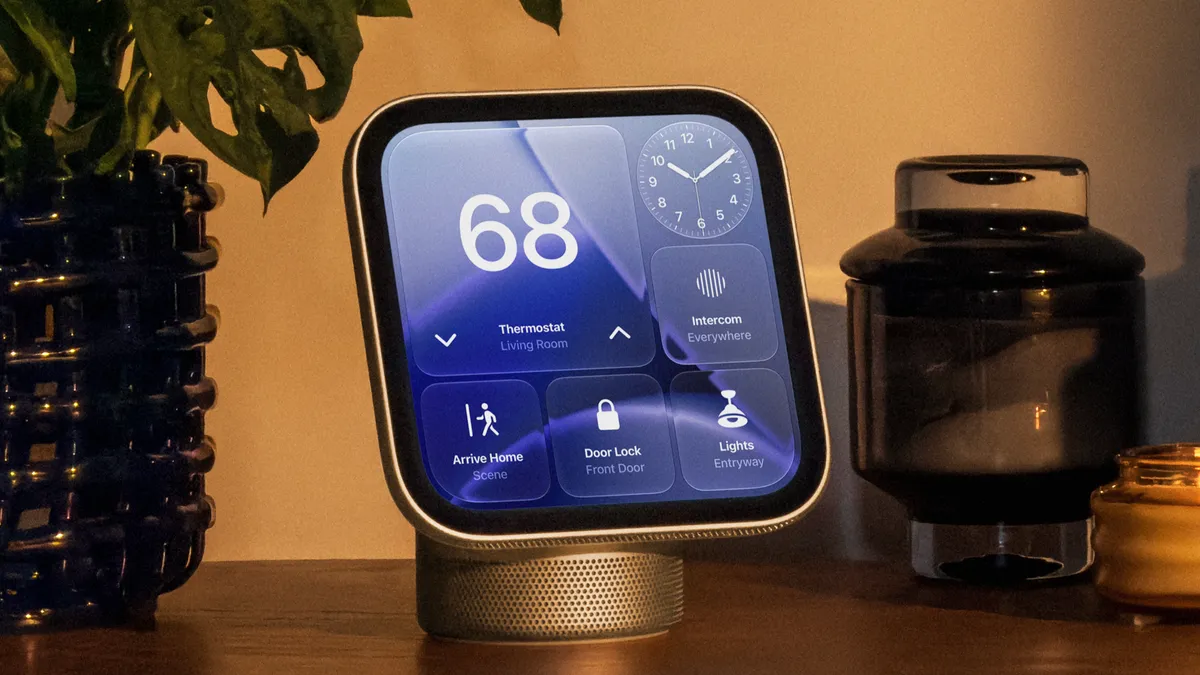
Smart home gadgets can make everyday life a lot more convenient, offering quick ways to control all manner of household devices, and there's no reason to be put off by the occasional corporate shutdown.
No connected gadget is entirely future-proof, and even the biggest tech companies can discontinue services – especially for older products with relatively few users.
A sensible approach, then, is to pick gadgets that can retain their essential functions even if the manufacturer's cloud services disappear.
A truly smart home is one that can still switch off the lights even when someone switches off the server.

Follow Tom's Guide on Google News and add us as a preferred source to get our up-to-date news, analysis, and reviews in your feeds.
