I like to think that I keep my kitchen clean and free of germs. I regularly clean out my bins, wipe through my refrigerator and ensure my countertops are spotless. But there’s one area of my kitchen hygiene routine that I’ve been neglecting, and it’s very likely you’re doing it too.
The humble dish sponge is used repeatedly in my kitchen, but data from the National Library of Medicine, shared by Tap Warehouse, reveal that it harbors more bacteria than any other kitchen item.
The cleaning tool that's not so clean
That seemingly clean dish sponge can contain up to 290 million bacteria per square inch (45 million per square centimeter), similar to what you’ll find inside your toilet.
After discovering these figures, I'll never be able to look at a dish sponge the same way again, and I’ll certainly be replacing mine more regularly.
“Sponges are porous, which allows many spaces for damp, combined with food particles, to allow bacteria to grow and thrive. Bacteria such as E. coli and Salmonella can thrive on sponges, potentially causing infection," explains Josh Clarke at Clear it Waste.
“To avoid letting these germs harbour on your sponge and build up, it is recommended to replace your sponge every 1-2 weeks as needed, or when the sponge begins to look worn," he adds.
However, rather than ditching your sponge after one week, Nancy Emery at Tap Warehouse has a slightly more environmentally-friendly approach. Instead of replacing your dish sponge every seven days, she suggests giving it a weekly deep clean. Then she says, “After about four weeks, it’s usually time to reach for a new one.”
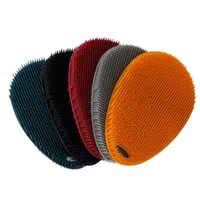
Another alternative is to opt for a different type of product to clean your dishes, with Emery suggesting silicone scrubbers, as they are "durable, hygienic and easy to clean, offering a long-lasting and bacterial-free alternative to the traditional sponge."
5 ways to keep your dish sponge clean

However, if you prefer traditional dish sponges and don’t want to replace them every week, Emery suggests five ways to give them a weekly deep clean, extending their life to four weeks.
1. Put your dish sponge in the dishwasher
Emery recommends placing your dish sponge in the dishwasher and running it on the hottest cycle. “The steam and heat should eliminate any bacteria festering there,” she says.
Then, once the cycle has finished, allow the dish sponge to dry before using. To ensure you’re not wasting energy, load the dishwasher with your regular items before starting the cycle.
2. Give it a spin
Just like popping your dish sponge in the dishwasher, Emery also suggests targeting two areas at once by popping it in the laundry with a load of tea towels. And a warm 105°F (40°C) cycle is enough.
3. Soak in white vinegar
White vinegar is a regular cleaning aid we recommend at Tom’s Guide, and Emery says it can also be used to clean your dish sponge. “Pour white vinegar into a bowl without diluting it. Soak your dirty sponge for five minutes, making sure it’s fully covered before rinsing with warm water,” she says.
Then allow it to dry like normal.
4. Submerge in boiling water
Boiling a kitchen sponge in water for a few minutes is an effective way to kill bacteria. “Submerge the sponge in boiling water for 5-7 minutes, then remove it and let it cool before wringing it out,” recommends Emery.
5. Use your microwave
I’d never have thought about cleaning my dish sponge in a microwave, but according to Emery it’s another way to get it clean, and it's super quick. “Make sure the sponge is wet, then place it in a microwave-safe container with a little water. Heat the sponge on high for about 1-2 minutes,” she says.
However, when using a microwave, check that the sponge doesn’t contain any metal components as they can cause sparks.

Follow Tom's Guide on Google News and add us as a preferred source to get our up-to-date news, analysis, and reviews in your feeds.
More from Tom's Guide