We’ve all had the experience of walking into someone else’s home and noticing an unpleasant smell. But while their home may be spotless, clutter-free, and sparkling clean, they may not be aware of the odors that lurk within.
It’s a common problem that we all experience — we can’t smell what’s literally right under our noses, and it’s known as being nose blind. However, while the bad odors don’t bother us, guests will notice them as soon as they step inside.
As we get ready for the hosting season and invite family and friends over to our homes, the last thing we want is to make our guests feel unwelcome. Here, I share advice on why we become noseblind and how to tackle the 5 common hotspots guests notice, so your home stays fresh and fragrant in time for the festivities.
Why do we become noseblind?
The scientific term for nose blindness is olfactory fatigue or olfactory adaptation, and it occurs when we are unable to detect familiar scents in environments where we spend a lot of time, such as our homes.
Becoming nose blind to common smells around you is how your brain filters out noise to prevent you from becoming overwhelmed, keeping you more alert to notice the odors that you really need to, such as burning smells. So, your dog-owning friend, or onion-frying neighbor, might not be aware of the pungent smells that linger in their homes.
1. Pet odors

Any pet owner will be horrified to learn that the house smells of their four-legged friend. But, the combination of dander, oils, shredded fur and unmentionable accidents can leave a trail of odors. What’s more, these bad smells linger in carpets, fabrics, and pet bedding, making them difficult to shift.
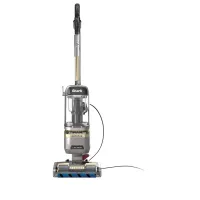
While you can choose a couch made of a pet-friendly fabric, and use a vacuum designed to remove pet hair, it can be harder to get rid of the smell. The best approach is to regularly wash pet bedding, and mop your floors and vacuum your carpets once or twice a week. You can also place a washable blanket on your couch, where your furry friend likes to sleep (if this cozy spot isn’t out of bounds).
An air purifier is another option for removing pet odors. The Blueair Signature air purifier, $400 at Amazon, won’t look out of place in any room, and cleans air efficiently with the help of odor neutralizers.
2. Cooking smells

While the smell of freshly baked bread is inviting, and I love the aroma every time I use my bread maker, there’s a whole host of other food smells that have the reverse effect.
For me, the worst smell is fried onions, but I also have a strong aversion to fish. Other foods that can be pungent include garlic, spices and anything that gets burnt (which accounts for a whole host of foods in my kitchen). Apart from using an extractor fan above your cooktop to remove cooking smells, it’s also wise to let in fresh air to ventilate your space.
And there are other hacks you can try to neutralize the bad odors. Place a bowl of coffee grounds in your kitchen to absorb food smells, or create a simmer pot with boiling water and lemon peels, and why not throw in a few cinnamon sticks and cloves for a festive fragrance?
You can also combine three tablespoons of baking soda with two cups of water, and lemon peels into a bowl. Leaving it out overnight will help to absorb cooking smells.
Another way to reduce unwanted food smells is to clean up promptly, rather than leaving pots and pans to fester on your countertop. Place them in your dishwasher out of the way, or wash them up by hand once you’ve eaten.
3. Musty damp

As a young child, I distinctly recall going to a great aunt's house and avoiding using her toilet. I always remember her bathroom smelling foul, but not the kind of stink you might associate with this room. It was only later in life that I realised it was damp, caused by a cold bathroom, too much moisture, and a lack of ventilation.
Back in the day, there weren’t dehumidifiers around to dry out her home, but now, if you have a damp problem, I’d certainly recommend investing in a dehumidifier to dry out a room.
In addition to balancing the humidity level in your home, removing excess moisture, and preventing mold and mildew, dehumidifiers can also be used to dry laundry, especially if you don’t have a clothes dryer. And they can also remove moisture from wet towels, which are often discarded after you’ve showered.
Damp is also common in basements, which are often used as extra living spaces rather than just for storage. They are harder to ventilate, and moisture can build up, leading to damp. So, if you do have a basement, Thrasher Foundation Repair recommends checking the humidity level, which should be between 30%-50%.
4. Stinky trash

A smelly trash can in your kitchen is one of the worst smells. The combination of cooked and uncooked food and even your pet’s leftovers is a recipe for one big stink. While you should empty your kitchen food bin regularly, you must also ensure it gets a good clean. Merely changing the garbage bag is not enough to keep it odor-free.
Cleaning your garbage bin with a vinegar solution (one part distilled vinegar to four parts water) will eliminate any unpleasant odor. Sprinkling coffee grounds into the bottom of your bin will also help reduce odors.
You can also reduce your waste by grinding up food scraps and turning them into compost. I like the Luma Electric Kitchen Composter, $303 at Amazon.
5. Trying too hard

It’s tempting to disguise food and pet smells with scented candles and other home fragrances, but although you have good intentions, you might be going too far. Rather than adding a subtle aroma to your home, you could be giving your guests a blast of a scent that’s too strong and overwhelms their senses.
Instead, think of natural fragrances that will add a subtle fresh scent to your home. You can even add fresh lemon juice, essential oils, or herbal teas to your mop water to give your floors a fresh scent. Or, how about creating a pet-friendly fabric spray? Combine a tablespoon of baking soda with 30 drops of essential oil and two cups of distilled water, and spray it on your beds, upholstery and carpets.
There are also plenty of indoor plants that will make your house smell nicer, including jasmine, eucalyptus and an array of herbs.

Follow Tom's Guide on Google News and add us as a preferred source to get our up-to-date news, analysis, and reviews in your feeds.
More from Tom's Guide
- The secret to a great-smelling home — 5 easy tips you're probably not doing
- Your toilet can clean itself — all you need is this one natural ingredient in your kitchen
- Kitchen Sink Smell Bad? Try This 3-Step Hack to Fix It Instantly