







With much of the United States bracing for Winter Storm Fern, many households have been preparing their homes for potential power outages or even worse, frozen pipes. And while a home generator can be a handy, reliable backup source, these must be installed and maintained correctly to perform well when there's a blackout.
If you don't follow the right steps, you could easily make some common generator errors. These mistakes won't just prevent your generator from doing its job well, they'll also make it less energy efficient and probably cause it to break down sooner than it should. So if you want to get the most out of your home generator this winter, avoid these three mistakes right now.
1. Oversizing (or undersizing) your power output

Perhaps the first common mistake is assuming that a home generator can handle more power than it was actually made for. For instance, if you have a smaller generator, it may strain during high demand, causing voltage fluctuations or even an unexpected shutdown.
A smaller generator, for example, might struggle during periods of high demand. This strain could lead to voltage fluctuations or even an unexpected shutdown, which is not ideal during a winter storm. In addition, this could cause further problems if you have HVAC systems that will demand more power than the unit can provide.
Always make sure the generator you buy/own has the proper sizing for your home, taking into account factors such as square footage, system load, and power usage. This will affect overall performance, efficiency, and safety.
That’s why it’s always important to seek professional advice or hire installers to provide an in-home assessment to properly calculate projected wattage needs, evaluate the home’s electrical layout, and recommend a model that suits your home’s specific needs.
More importantly, never consider running a generator indoors or near your home. "If you own a generator — or are considering having one installed — it’s critical to never run it indoors or near your home, as doing so can allow dangerous carbon monoxide fumes to build up," states Dan Mock, Vice President of Operations for Mister Sparky Electric.
"Carbon monoxide poisoning is a serious and potentially life-threatening risk, especially during the winter months when ventilation is limited. Having a professional electrician install your generator at a safe distance from your house ensures it’s set up properly and helps protect both your home and your family."
2. Neglecting battery care

Another factor that often gets overlooked is ignoring battery care. Since the battery is a critical component of your home generator to start the engine, it must be properly maintained. If not, you’ll experience all sorts of issues, such as a battery failure caused by insufficient charging, loose connections if not checked, or a buildup of corrosion on the battery plate that could compromise performance.
To avoid these problems, regular maintenance is key. A good tip is to stick to a charging schedule to maintain the battery’s optimal charge level. Ensure the battery terminals and connectors are clean and in a temperature-controlled space, and always ensure the battery has proper ventilation so that it doesn’t overheat.
3. Using and storing fuel incorrectly

Similarly, it’s important to know how to handle and store fuel correctly before it can lead to major problems. This is especially the case if you’re using old or contaminated supplies that can slow down performance or even cause your generator to fail. Once oil is left to sit for an extended period, it can start to degrade and potentially clog filters and fuel lines.
"Regular oil changes and scheduled maintenance help prevent unexpected issues and keep your home protected," adds Mock. "Simple habits—such as checking for fuel leaks daily, inspecting battery terminals weekly, and lubricating moving parts monthly—can create an easy-to-follow maintenance routine that reduces wear and tear and extends your generator’s lifespan."
Here are a few top tips for fuel maintenance:
Where to keep it: Store your fuel in a clean, dry, and airy place, away from direct sunlight.
Keep it fresh: Use a fuel stabilizer — it's a simple way to stop the fuel from going bad.
Quick checks: From time to time, look over your fuel lines, filters, and tanks for any wear and tear. It is also helpful to use a fuel testing kit to check for any degradation or contamination before adding the fuel to your generator.
Stock rotation: Always use the oldest fuel first and keep rotating your stock so your supply is always fresh.
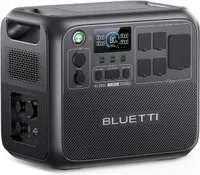
Alternatively, portable power stations are useful appliances to have as a back-up power supply. Depending on the spec, these usually have more than enough power to run your refrigerator, several appliances, or to charge your devices.
Essentially, proper care and maintenance will not only ensure your generator has optimum performance but will keep your home safe and sound during a power outage.
"Like any household appliance, a generator needs routine care to remain safe, reliable, and ready when you need it most," agrees Mock. "The last thing you want during an emergency is to discover your generator isn’t working properly."
For more top tips, follow our guide on whether you should get a home generator. Here’s the pros and cons.

Follow Tom's Guide on Google News and add us as a preferred source to get our up-to-date news, analysis, and reviews in your feeds.
More from Tom's Guide

