One of the more fascinating things I found out about the history of computing retailer Scan UK is its history. In 1994, the company operated an online bulletin board that tracked volatile component prices (like RAM), which potential buyers could track and call in to make orders.
This puts CEO Elan Raja in a unique position with a lot of historical knowledge of RAM price fluctuations over time.
So after finding out RTX 5070 is the 'sweet spot' GPU for gamers, I had to ask him two questions about the RAM pricing crisis: Is there anything cyclical to all of what’s happening right now? And what advice do you have for aspiring PC builders out there?
"It's just another market cycle."
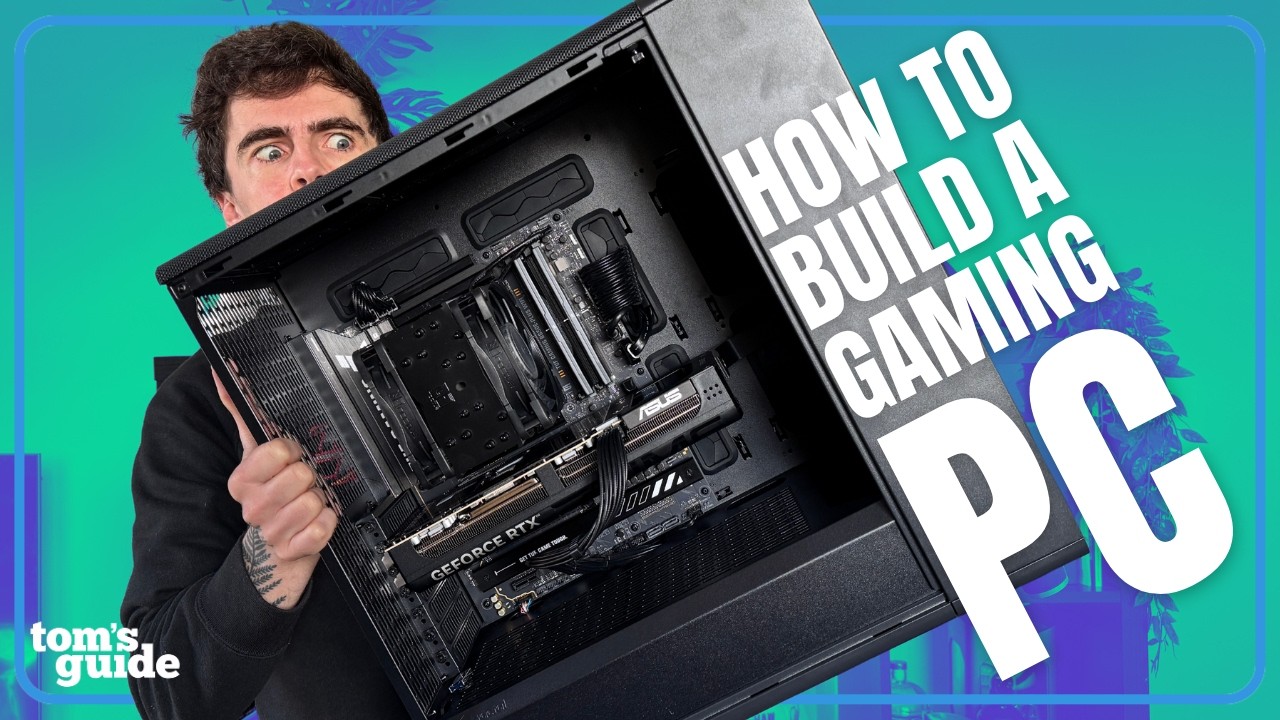
“I think it’s only fair to accept what’s going on around the world. It’s chaotic,” Raja commented. “There are certain things which are just completely outside of anyone’s control.”
For context, those “certain things” refer to the overwhelming demand for DRAM chips from AI companies to meet their computing needs.
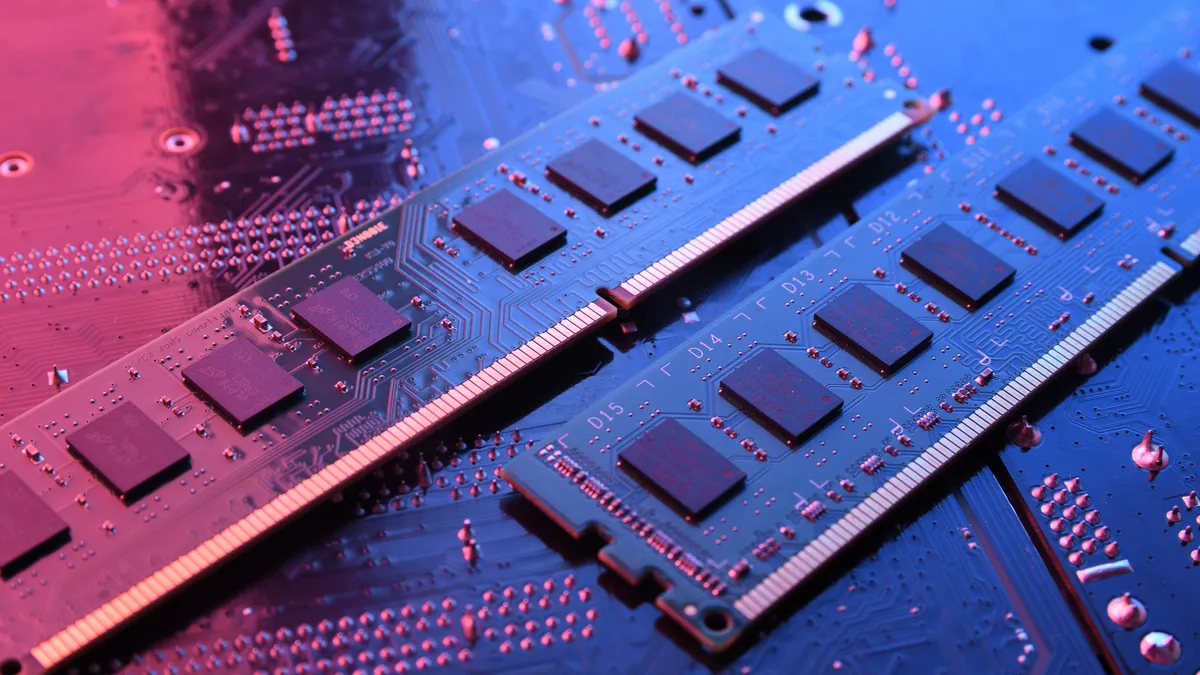
OpenAI is taking up to 40% of the world’s supply in one fell swoop, and demands from other companies are quickly rising, too, which has created a crisis in the consumer RAM market. Pricing has quickly spiked in excess of 200% for RAM sticks for your PC, and signs are pointing towards more consumer tech like laptops, phones, and tablets also going up in cost too.
“The way I view it is over a long period of time, and through that lens, it’s just another market cycle,” Raja added. “You call it cyclical, and while it’s not over the period of one year, if you were to stretch it out over a long period of time, it’s a blip.”
The history of RAM prices

So one important bit of context that you may be getting from Raja’s comments here is that memory chip volatility is not a new thing.
- The RAM drought of 1988: A slump in the industry led to an oversupply of RAM chips, which, when demand finally went up, led to severe underproduction. This caused RAM prices to spike by hundreds of percent in a single month.
- The DRAM conspiracy of the early 2000s: As XDA developers point out, there was a notorious period of price fixing where major memory manufacturers pleaded guilty to conspiring to artificially inflate DRAM prices. That includes the three leaders dominating the market today: SK Hynix, Samsung, and Micron.
- DRAM tripling of the 2010s: As smartphone adoption grew massively between 2016 and 2018, alongside the increased demand for new servers, DRAM prices tripled over 18 months.
That’s not to say this recent spike isn't completely normal. The skyrocketing AI demand for high-bandwidth memory, paired with only a few companies controlling the supply and panic buying, has compounded this into a more serious issue than in the past.
But take a step back, and it’s clear to see that this market has always been super volatile with global tech pressures. So, what does that mean for you?
“PC gaming’s never been as strong”
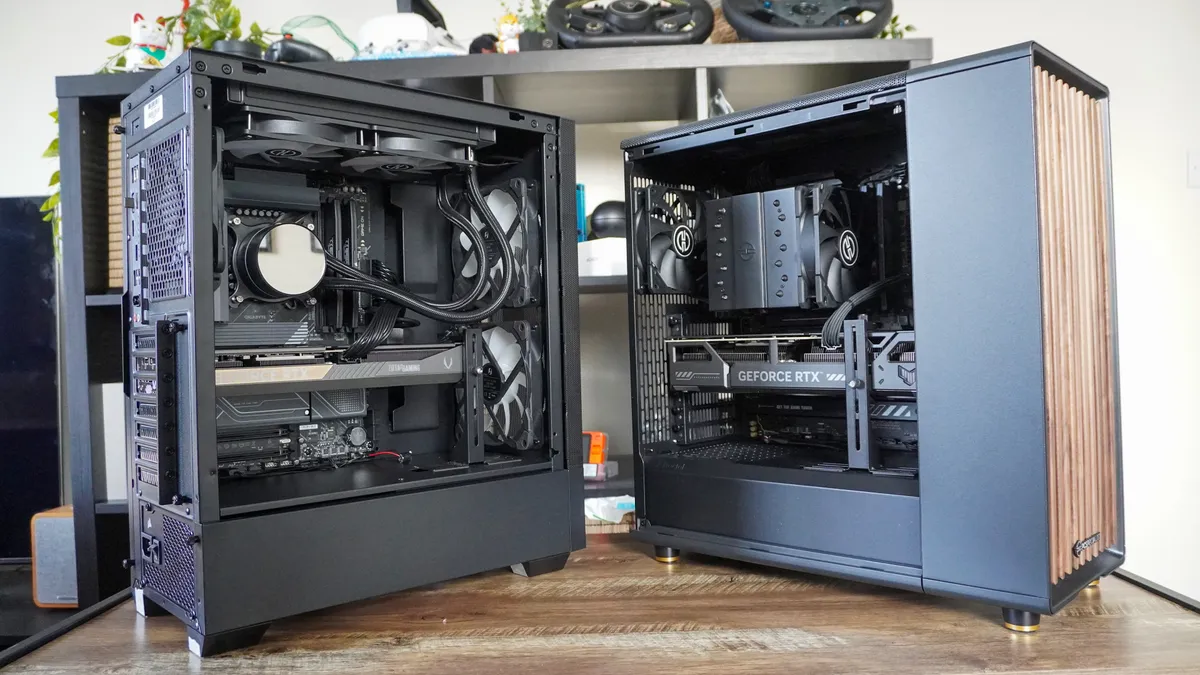
While other tech categories like laptops may be a bit more insulated for now — Intel said most suppliers have “9-12 months of stock” to run through — the hardest hit community is PC builders.
But Elan thinks that no matter how much indirect pressure there may be to move gaming and computing into the cloud, PC hardware will not be killed.
“[PC gaming] has never been as popular, and when you consider people are spending over £1,000 on graphics cards because of the value of a GPU, the DRAM will just go with its market cycle,” Raja said. “And yes, it’s uncomfortable for the market, but one thing is for sure. This is worldwide.”

As to how to unpick this, it’s all about ensuring transparency by working with the right partners. “The way we view it is just to adopt an ‘order with confidence’ policy, and be as transparent as we can,” Raja outlined. “That means being aligned with the right partners, giving as much transparency with information.”
That being said, looking at the strong, sustained growth of the computing business over at Scan, while there are concerns, they’re not enough to make Elan think that we’re heading the way Jeff Bezos predicts. We’re not going to the cloud — physical computing is here to stay.
“The demand’s always going to be there in my opinion, and it’s a hot topic, but at the same time, people still use PCs and love to game,” Raja proclaimed.

Follow Tom's Guide on Google News and add us as a preferred source to get our up-to-date news, analysis, and reviews in your feeds.
More from Tom's Guide
- Nvidia says all RTX 50-series GPUs will 'continue to ship,' but stock and supply tell a different story
- I’ve got an Intel Core Ultra X9 388H laptop in front of me, and I’m taking your requests LIVE on what to test
- Xreal is suing Viture for ‘freeriding on technological breakthroughs’ — how does this huge patent infringement lawsuit impact you and the AR glasses you should buy?