For the first time in three decades, Nvidia is reportedly taking a year off from the gaming GPU market.
According to a new report from The Information, Team Green has scrapped its plans for any new graphics card releases in 2026. The reason? As you might have guessed, the ongoing global memory shortage, or what we at Tom’s Guide refer to as “RAMageddon,” has become so severe that Nvidia is being forced to choose between gamers and feeding the AI beast.
Unfortunately, AI is winning. Here’s everything you need to know about this latest development in the ongoing RAM crisis saga
The end of a 30-year tradition
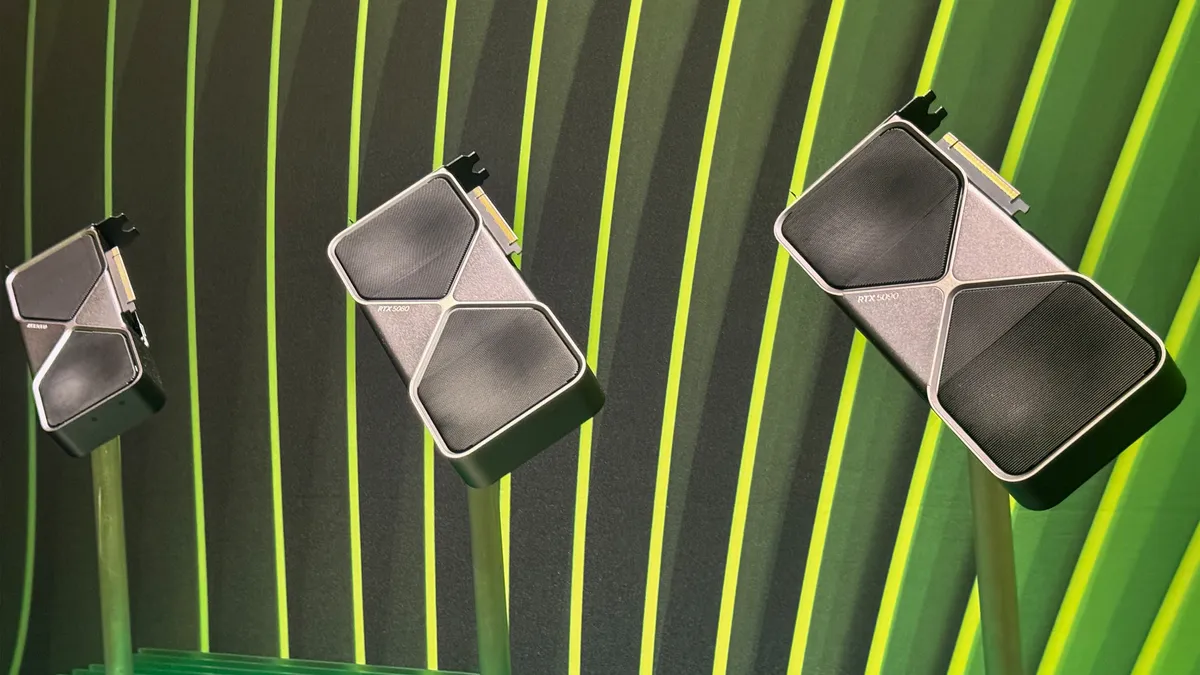
NVIDIA has released at least one new gaming GPU every single year since the early 90s. Even during the height of the crypto-mining craze and the pandemic supply chain collapse, the company managed to get something onto store shelves.
But 2026 is different. RAMageddon has hit a point where AI data centers are simply gobbling up the raw materials for memory.
According to The Information’s sources, Nvidia has indefinitely delayed "Kicker"—the code name for the incremental RTX 50-series refresh, likely the "Super" cards that we expected to see this year. Even though the designs were reportedly finished, the company decided that it couldn't justify the memory costs.
RTX 50 production slashed
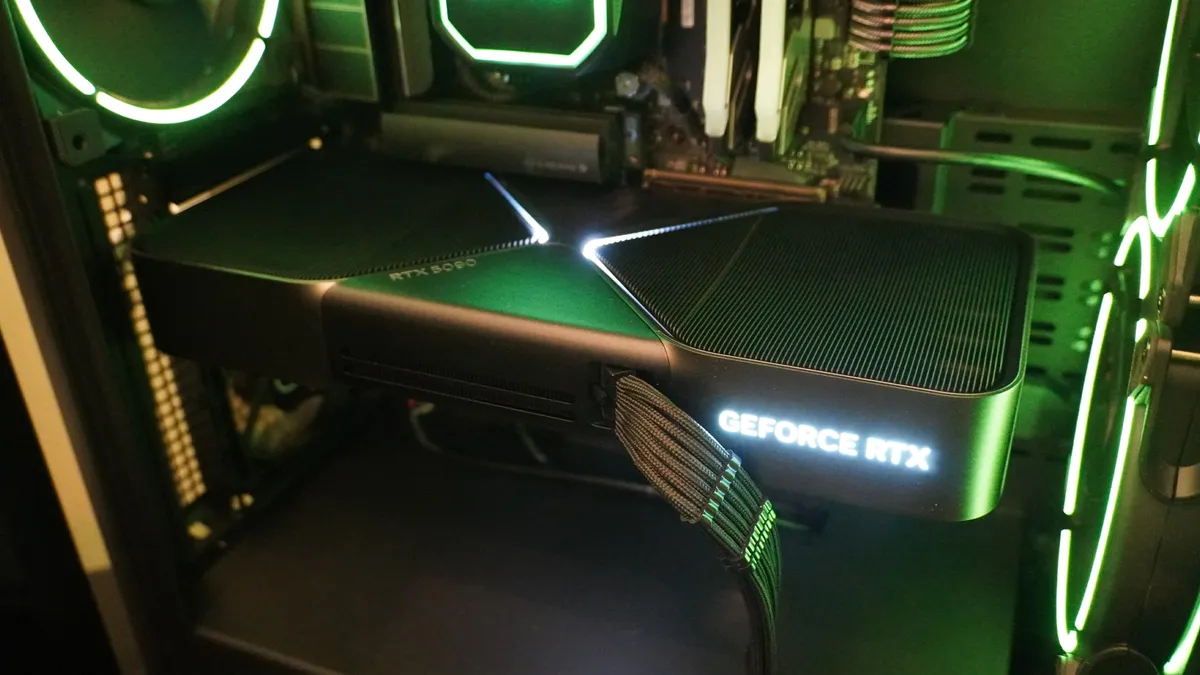
It’s not just about the lack of new cards, either. The report also states that Nvidia is slashing production of its current RTX 50-series GPUs. With memory supply this tight, Nvidia seems to be prioritizing its limited stock for AI chips.
This is obviously bad news for gamers. We’re already seeing RTX 50 prices spike at retail due to scarcity, and these production cuts mean that mid-range favorites like the RTX 5070 and 5060 Ti are going to be even harder to find at MSRP.
Don’t expect the RTX 60-series any time soon

If you were hoping to skip this generation and wait for the RTX 60 series, you're likely going to wait longer than you expected.
The delay in the 2026 refresh has reportedly pushed mass production of the next-generation "Rubin" gaming GPUs to the end of 2027. If that’s the case, then we are looking at a nearly three-year gap between major GPU generations.
On a related note, since we’re discussing delays, Moore's Law is Dead reports that Nvidia's N1X CPUs are experiencing bugs and software issues, delaying when we'll see Arm-based Windows laptops. Apparently, neither Microsoft nor Nvidia is rushing to ensure the SoCs (System-on-Chip) are fully supported on Windows.
Outlook
This latest news, unfortunately, validates everything we’ve been saying: the PC market is effectively in survival mode. When Apple CEO Tim Cook and Nvidia's own leadership are sounding the alarm on memory prices, you know things are serious.
If you’re currently building a PC, my advice remains the same: stop waiting for the next big thing and grab what you can find now. Whether that's an existing RTX 50 card or building around a DDR4 platform to save cash, the goal for 2026 is to create a rig that works, even if it doesn’t have the latest and greatest components.
As always, we’ll monitor this situation and anything else related to the RAM crisis, so stay tuned!

Follow Tom's Guide on Google News and add us as a preferred source to get our up-to-date news, analysis, and reviews in your feeds.
More from Tom's Guide