Nvidia GTC 2026 kicks off on March 16 and promises to deliver some big announcements from Team Green. While this is sure to be an AI-heavy show, we’re also expecting important hardware announcements, as CEO Jensen Huang recently teased that his company will unveil "several new chips the world has never seen before."
You may be wondering why you should tune into GTC, since it’s not as consumer-focused as CES. Even though there will be plenty of talk about data centers and AI, Nvidia is likely to drop hints or announce technology that could end up in the devices you use every day, like the best gaming laptops.
We’re covering all things GTC to keep you updated on Nvidia’s plans. Here are some of the biggest announcements we anticipate.
Nvidia’s mystery chip

Given Huang’s comments about a potentially revolutionary AI chip, we can expect a major reveal of a new inference-focused chip, possibly related to the Feynman architecture designed for faster AI tasks. This wouldn’t be a typical GPU, since it’s built for “agentic AI,” where systems act autonomously.
What does this mean for us? Imagine your phone or laptop running AI apps that can edit photos, summarize emails, or plan your day almost in real time. While these features exist, they can feel slow or unreliable. A chip like this could make AI more useful for everyday tasks, and do it all on-device instead of through the cloud. For gamers, it could lead to better upscaling tech, especially for lower- and mid-range PCs and laptops.
The Arm-based N1X CPU

Speaking about chips, there have been rumors about Nvidia’s N1X, an Arm-based CPU for the best computers and best laptops. But with N1X delays reported, GTC might only offer a sneak peek rather than a full launch. If this processor appears, expect discussions on integrated graphics that could challenge Intel’s Panther Lake.
Windows on Arm is now viable, thanks to Qualcomm’s Snapdragon X chips, so an Nvidia Arm chip would be huge. It could create a four-way race between Nvidia, Intel, Qualcomm, and Apple for who can make the fastest, most energy-efficient laptop chip. We might not get much N1X news, but it’s what I’m most excited about as a laptop reviewer.
Next-gen GPU tease
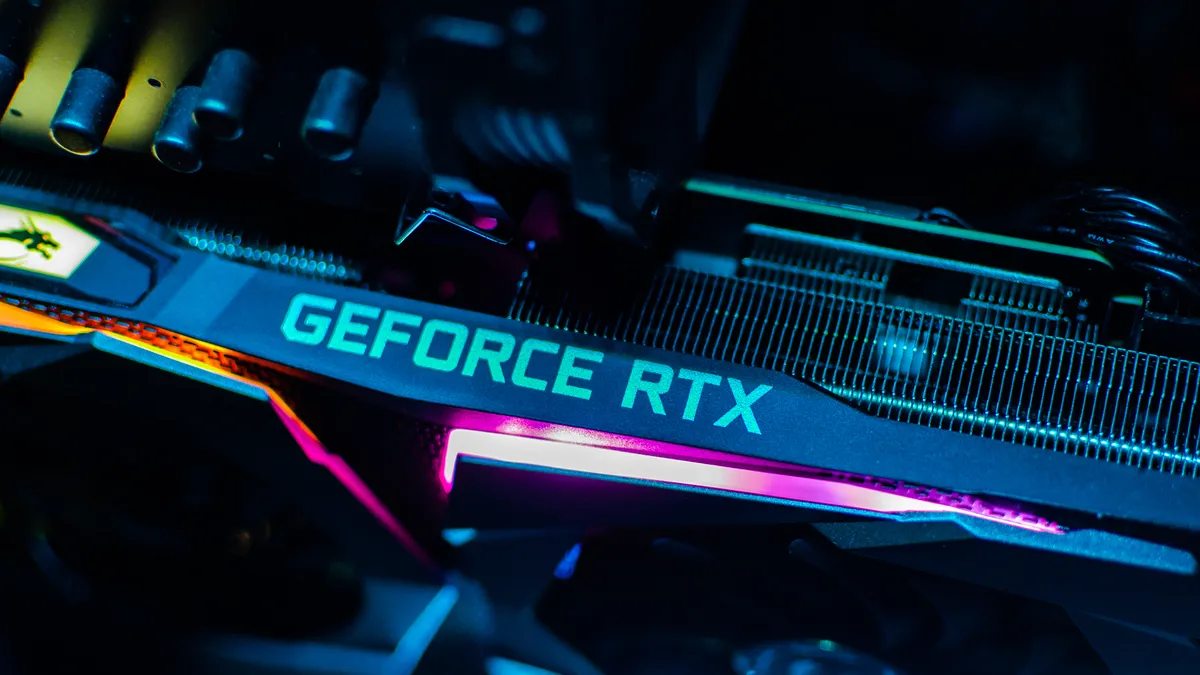
As we recently reported, Nvidia won't release new gaming GPUs in 2026, as they’re focusing on making chips for AI data centers rather than consumer GPUs. However, we might see some architecture teases.
I expect detailed looks at the Rubin GPU, which aims to provide five times the power of Blackwell for AI workloads. Feynman could be a significant leap and might use TSMC’s advanced 1.6nm process.
If you’re a PC gamer, pay close attention to what gets announced, as Nvidia’s data-center tech often influences what runs your PC. For example, Rubin could mean GPUs capable of 8K gaming or ray-traced worlds without overheating your system. Feynman’s efficiency could also improve laptop battery life. Plus, any new tech could lead to an upgraded version of DLSS, making games look and run better.
Physical AI and robotics
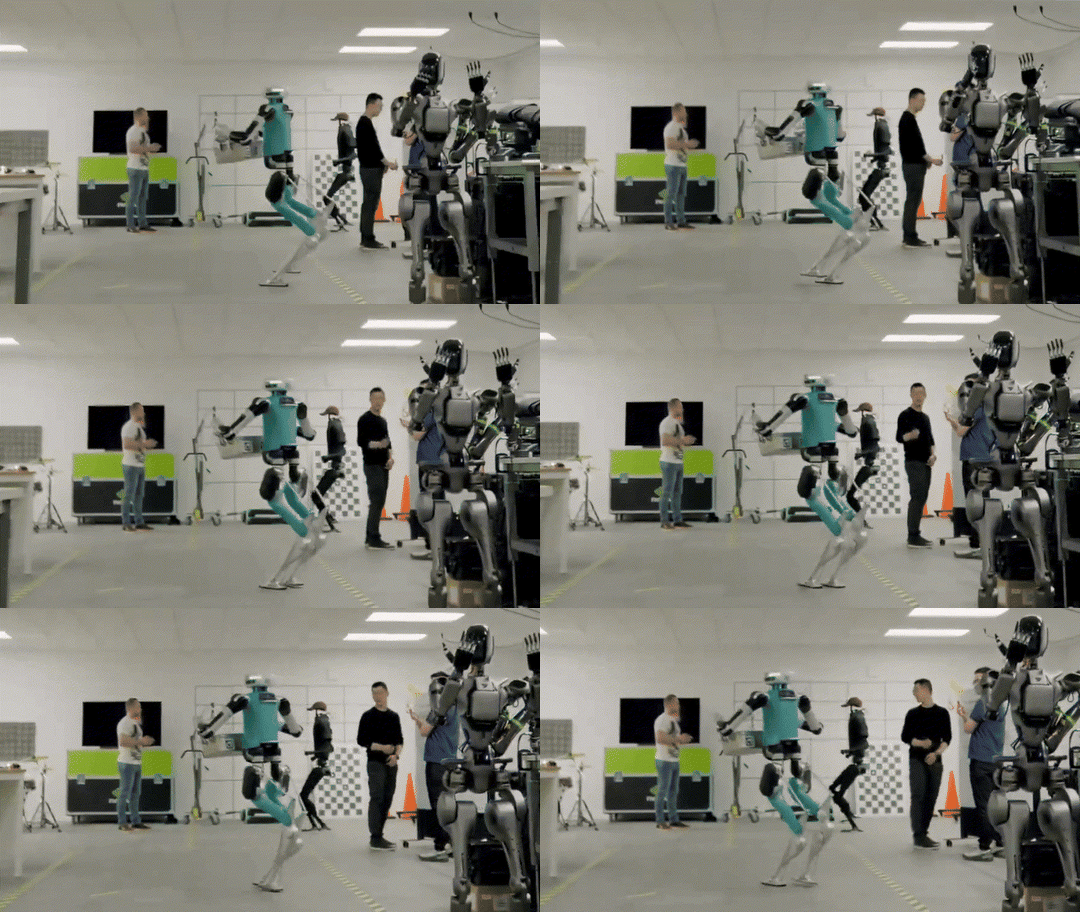
I expect Nvidia to also focus on “physical AI,” which combines simulation with real-world robotics. We saw some of this at CES, and I expect the company to expand on it at GTC. Look for sessions on AI factories and multimodal systems that combine vision, language, and action.
It sounds like sci-fi, but if you’ve seen videos of robots doing coordinated dancing, you know we’re getting closer to a Jetsons-like world. Maybe one day we’ll see affordable home robots that can clean, cook, or help those in need, all powered by Nvidia’s Omniverse platform. Nvidia will certainly paint an exciting picture, and I’ll be curious to see if any of it becomes real products.
Agentic AI

You’ll hear about agentic AI, where models go beyond chatbots to multi-agent systems that work together on complex tasks. GTC will likely include workshops on LLM augmentation, prompt engineering, and deploying inference at scale. Essentially, making AI more proactive rather than reactive.
While current LLMs like ChatGPT are useful, they’re not perfect or truly “intelligent.” Agentic AI could deliver genuinely smart AI systems that learn instead of just predict. We’ve heard promises of AI serving as virtual assistants, but these often need a lot of guidance, which defeats the purpose. I remain skeptical about seeing true agentic AI soon, but GTC might start changing my mind.
Outlook
Although Nvidia GTC 2026 will focus heavily on AI, it’s worth tuning in to see what Nvidia is working on and how it could benefit our work and gaming experiences.
Nvidia GTC runs from March 16 to 19, and we’ll be covering it all. The “GTC Live 2026” pregame show starts on March 16 at 11 am ET (8 a.m. PDT), before Jensen Huang delivers his keynote speech at 2 pm ET (11 a.m. PDT). I’ll be watching to admire his leather jacket and hear his insights on Nvidia’s latest plans. Stay tuned for more!

Follow Tom's Guide on Google News and add us as a preferred source to get our up-to-date news, analysis, and reviews in your feeds.
More from Tom's Guide