I test, review and use AI every day — and I still underestimated Google Gemini. Once it’s connected to your Google ecosystem, Gemini starts behaving less like a chatbot and more like a low-key personal analyst.
However, some of its most useful features aren’t clearly labeled or promoted. You usually stumble into them. Here are 10 Gemini features hiding in plain sight that most people don’t realize they already have access to.
1. Gemini behaves differently depending on where you use it

One of the most overlooked things about Gemini is that it isn’t a single, fixed assistant. The way it behaves changes depending on where you’re using it.
For example, Gemini works differently when it’s accessed:
- On the web
- On Android
- Inside Google apps like Gmail or Docs
This means, you can type the exact same prompt in each place and get noticeably different responses. That’s because Gemini adapts to the product or device on which it's used — including the context, tools and data available in that environment.
In Google apps, Gemini is designed to work with what’s already on your screen, such as an email thread, a document draft or your recent activity. On the web or mobile app, it behaves more like a general-purpose assistant, focusing on broader reasoning and explanation.
The result is that Gemini adjusts how deeply it reasons and what it prioritizes based on where you’re using it, which can make it feel inconsistent if you don’t realize what’s happening.
2. Gemini connects dots across your data — not just retrieves it

Most people assume Gemini simply pulls information when you ask a question. In reality, it can reason across multiple sources at once.
That means it can:
- Connect an email thread to a calendar event
- Reference something you searched after watching a YouTube video
- Tie together photos, emails and searches into a single insight
To see what I mean, try this prompt: “Based on my emails and calendar, what are the main things competing for my attention this week?”
You'll notice right away that Gemini doesn't simply search, it actually puts the pieces together for you.
3. It adapts to how you work (without asking)

Even without a visible “memory” setting, I noticed Gemini quietly adapting to how I use it. Whether it's responding to emails in my tone (I use more exclamation marks than I like to admit — and Gemini includes them!). It's been a game changer for me; over time, it learned:
- Whether I prefer lists or paragraphs
- How much detail I usually want
- The tone I respond to best
As a chatbot, I've seen the responses feel noticeably more tailored. It’s subtle — but once you notice it, it’s hard to unsee.
4. Gemini understands your photos beyond faces and locations

When Gemini looks at your Google Photos library, it doesn’t just identify people and places. It looks for repeated behaviors over time — like how your weekdays differ from weekends, when you’re busiest and what kinds of moments you tend to photograph.
That allows it to surface patterns, routines and context instead of just dates and locations. It can reveal:
- Routines (workdays vs weekends)
- Patterns (busy weeks, travel, downtime)
- Context (events, habits, themes)
To see for yourself, give this prompt a try: “What patterns do you notice in my photos from the last month?”
It’s one of Gemini’s most underused — and slightly uncanny — features.
5. It handles messy, half-formed thoughts better than expected

Unlike other chatbots, Gemini can handle half-finished thoughts and messy notes. So, whether you're typing in the chat box or speaking with Gemini Live, you don't have to have correct spelling or the best grammar.
Go ahead and ramble (I do!), change direction mid-sentence (guilty!) or say things like, "I dont know how to ask this, but..." and Gemini will take the lead.
That's because Gemini is designed to follow how people actually think, which is a testament to its superior reasoning and thinking abilities.
6. Gemini can act like a lightweight personal analyst
This one surprised me. When connected to your data, Gemini can:
- Summarize long histories (emails, searches, projects)
- Identify friction points in your day
- Suggest small changes based on patterns it notices
To give this one a try, use this prompt: “Based on what you know, what slows me down most during my workday?”
It’s not perfect — but it’s far more insightful and possibly easier to swallow than hearing it from a boss or coworker. Plus, knowing what to work on can help with professional and personal S.M.A.R.T goals.
7. You can switch roles mid-conversation without starting over

You don’t have to reset the chat or start from scratch when you want a new perspective or different angle.
You can simply say:
- “Now think like a project manager.”
- “Answer this like a life coach.”
- “Explain this for a non-expert.”
Gemini keeps the context while shifting perspective, which makes longer conversations far more useful than most people realize.
8. Gemini can pull meaning from PDFs, screenshots and random files
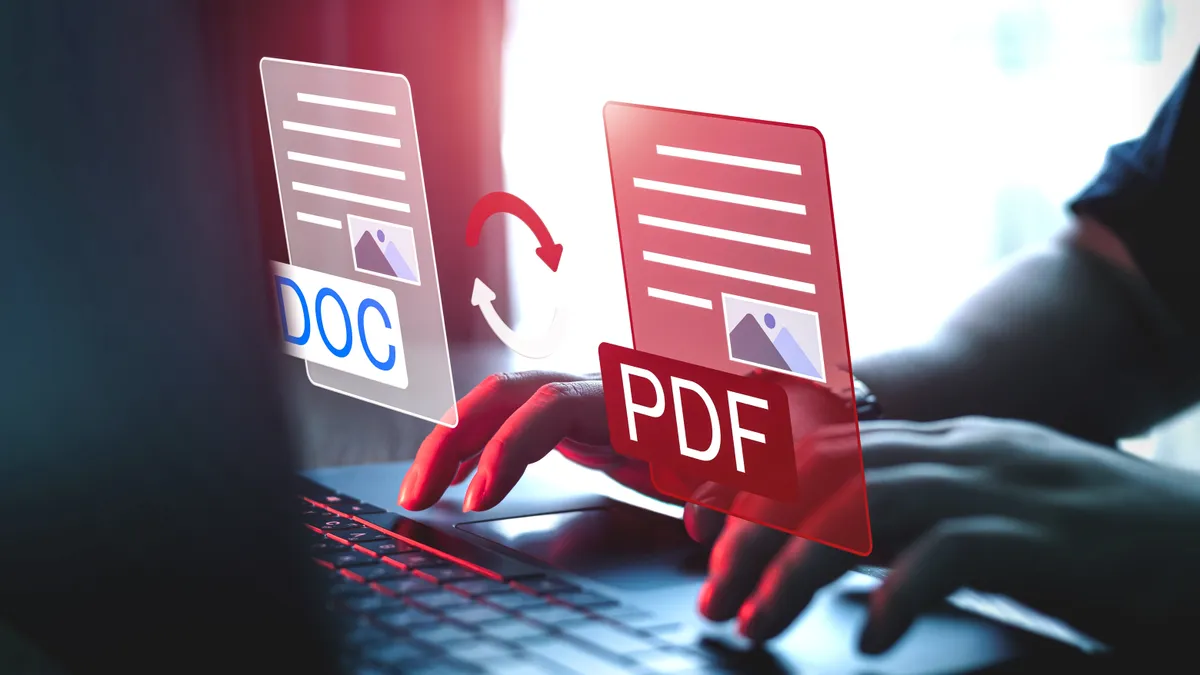
This feature is easy to overlook but can really come in handy at work. Gemini works well with messy, non-editable content, including:
- PDFs that aren’t searchable
- Screenshots of charts, emails or settings pages
- Scanned documents and forms
- Rather than just summarizing, it can:
- Clarify what a document is saying
- Surface important details you might miss
- Answer questions about the file, not just restate it
Try this prompt: "Here’s a PDF — what are the key takeaways and what should I pay attention to?”
This is one of the most practical ways to use Gemini when you’re working with information that isn’t easy to search or edit. I find myself using this a lot when I get "read-only" Google documents.
9. Gemini understands intent, not just keywords, in Gmail and Docs

When you ask Gemini for help inside Gmail or Docs, it doesn’t just look for matching words. It tries to infer what you’re actually trying to do. In other words, Gemini understands context.
That means it can:
- Rewrite a draft to sound more confident or more diplomatic
- Expand bullet points into a full message
- Shorten long explanations without losing meaning
For example, one prompt I use when I want to avoid being misunderstood or too harsh is the following: “Rewrite this to sound clear but not confrontational.”
It’s one of the reasons Gemini feels more natural inside Google Workspace rather than in a standalone chat.
10. Gemini can help you pick what *not* to do

This one flies under the radar. Besides being really good at generating ideas, Gemini is also surprisingly good at helping you prioritze and eliminate tasks, too.
When connected to your data, it can:
- Identify low-impact tasks
- Highlight commitments on your calendar that don’t align with your goals
- Suggest what can safely be delayed or dropped
To try this out, use this prompt: “Looking at my schedule and emails, what can I safely deprioritize this week?”
In practice, this can be more useful than adding another to-do list.
Bottom line
If you've missed any of these use cases, it's probably becaues none of these capabilities are flashy on their own. But together, they explain why Gemini is quickly proving it's dominance in the AI race.
Gemini suddenly feels more personal — and more useful — than many people expect.
It’s no longer just answering questions. It’s quietly learning how your online life fits together. And once you notice just how useful it can be, you may even start finding some hidden uses, too.

Follow Tom's Guide on Google News and add us as a preferred source to get our up-to-date news, analysis, and reviews in your feeds.
More from Tom's Guide
- AI is breaking the internet — so I tried 'critical ignoring' to protect my attention
- AI is quietly breaking the internet — and most people don’t even realize it yet
- I didn’t expect AI to help with the winter blues — but these 9 prompts actually work