Are you bored of doing 100s of sit-ups and crunches, but you don't quite know how to diversify your routine? Maybe certain moves are off the table due to back pain, tight hips, or mobility issues. I can confirm that you don't need them to build a stronger core, and here's one abs exercise you can do without sit-ups or weights.
In recent years, we've become a heck of a lot more creative with gym routines, whether that's trying different types of exercises or trying a whole new modality of training, like running a marathon or completing your first Hyrox.
I believe we're finally learning it's never a one-size-fits-all approach, and the best abs exercises are the ones that work for your body while remaining low-impact on your back. That doesn’t mean sit-ups don't hold any value — just that you don’t need this traditional ab exercise to strengthen your core.
Below, I cover how to do one of my go-to abs exercises. Here’s how to do it, the benefits and why you might consider it as an alternative to sit-ups.
Are sit-ups good for back pain?
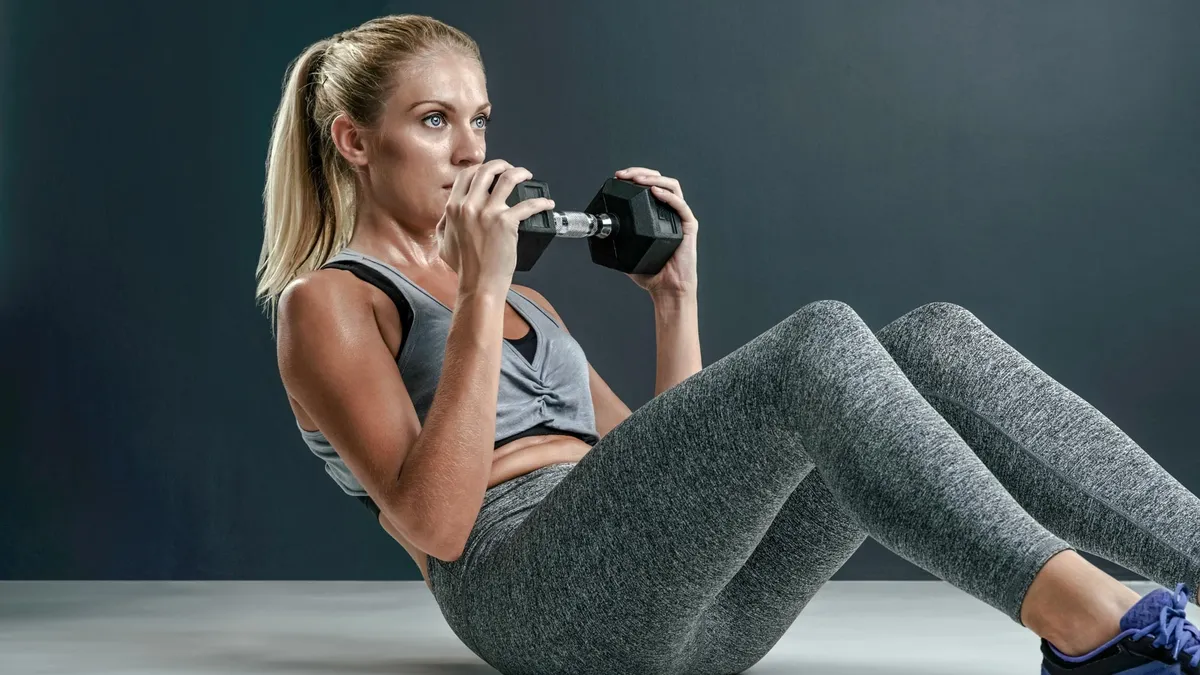
The humble sit-up has been used for decades to build core strength and help sculpt those sought-after six-pack muscles. However, many instructors will skip them in favor of low-impact back-friendly alternatives that also work a host of other muscles at the same time.
I still program sit-ups, and many people can do them without issue. However, they can worsen or contribute to injury or low back and neck pain, especially without proper core engagement, and if you have tight or weak hips.
There are several factors at play. Repeated lumbar flexion and extension put pressure on the spine, and with sit-ups, you need to drive the upright movement and the eccentric (in this case, lowering phase) of the abs exercise with your core muscles rather than momentum.
I also see the hip flexors taking over the exercise, which adds load and strain while taking away from the work potential of the whole core. But remember, your abs (the rectus abdominis) only account for one large core muscle that runs along the front of the stomach, and while they are the primary mover for sit-ups, there are other muscles at play worth learning about, which we'll target with the move below.
I recommend our guide on abs vs core muscles for future reference.
If sit-ups aren't for you, there’s a whole library of better core exercises at your disposal. Here’s one I love.
How to do hollow knee tucks
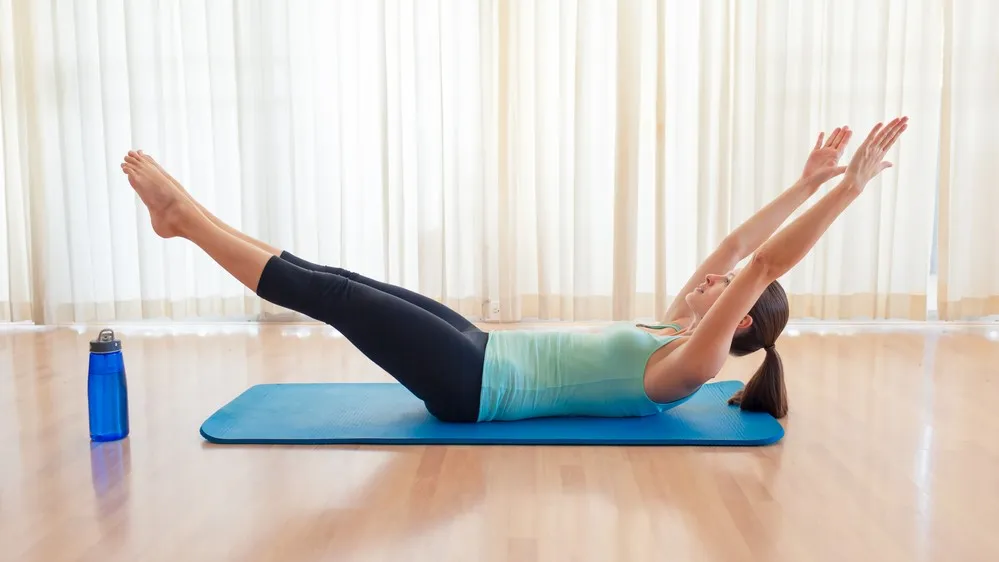
Try to think about this exercise as two components. The first is the hollow hold position, which isn't technically the exercise we're doing here, but we are using the upper-body portion of the movement.
Your torso doesn't move during the hollow knee tuck, and your lower back should stay imprinted into the mat throughout. A good way to think about this is to tilt your hips slightly toward you as you brace your stomach and draw your navel in. Next, breathe into your stomach rather than your chest.
With your back supported and stomach engaged, see if you can post your hands beneath your lower back. You should no longer be able to.
Next, extend your arms alongside your ears. Imagine magnets pulling your biceps toward each other, and hold this position. Lift your shoulder blades away from the mat, tuck your chin and gaze forward.
This is an isometric contraction, and for many, it's low-impact but gets your core shaking, including those crucial deep stabilizer muscles. Your muscles will stay under constant tension without lengthening or shortening, which may feel intense before you've even considered your lower body.
Your muscles will stay under constant tension without lengthening or shortening, which may feel intense.
Next, we look at the lower body. You can enter into the tuck in several ways, but let's focus on moving from a tabletop position, which is beginner-friendly. Bend your knees and lift your legs into the air, creating a 90-degree position. You can flex your feet or point your toes, but your hips should stack below your knees.
I always give the option to clients to squeeze a weight between their lower legs or feet, as I demonstrate above, to increase the intensity. You could also hold a weight or two in your hands.
Slowly, with control, extend your legs away from you. As soon as you feel your back lifting, stop, and draw your knees toward you, returning to the starting position. Your range of motion, or how far you can lower your legs toward the mat without actually touching it, will tell you how much stability and core control you currently have.
The stronger you get at this move, the further you might extend your legs. I recommend experimenting with load once you can complete 8-10 reps with good form.
Another great variation is to separate your legs and draw your knees toward your armpits, which engages the obliques that run down your waist. If you know your hips tend to steal the spotlight, keep your knees tucked close throughout.
Verdict
If you get this move right, you'll feel this in your whole core, arms and shoulders (although the arms should be minimal), as well as your hips and quads. Avoid swinging your body weight or rushing your reps; control each movement and squeeze the muscles as you move. It’s like juicing a lemon — leave nothing behind.
This can help you focus on your mind-muscle connection while building the strength and stability in the target muscles. It also increases intensity.
It’s like juicing a lemon — leave nothing behind.
Your core starts from your ribcage (including your diaphragm), extends down your torso and wraps around your back like a corset, with deeper muscles sitting along the spine, waist and lower abdomen. Your core even includes your glutes and hips. When these muscles are strong, they stabilize the spine, withstand impact and protect you from injury, so let's keep them strong without sit-ups!
Follow Tom's Guide fitness on Instagram for more workouts, routines, tips, and tricks.

Follow Tom's Guide on Google News and add us as a preferred source to get our up-to-date news, analysis, and reviews in your feeds.
More from Tom's Guide
- You don't need kettlebell swings to build strength, endurance and power, just these 3 moves and 1 weight
- I'm a personal trainer — the candlestick roll is the best bodyweight exercise for your barbell squats
- "It's never too late to sculpt a strong core without weights, but the earlier you start, the better" — here are 3 moves to try