After my guide on fixing yellow lemon tree leaves was published, hundreds of readers expressed a different frustration: their lemon trees look perfectly healthy and they flower — but they refuse to produce fruit.
The tree grows vigorously, foliage stays green, branches extend in every direction — but no lemons appear year after year.
This is arguably more disappointing than yellow leaves. At least sick trees signal something's obviously wrong. A healthy-looking tree that won't fruit feels like betrayal. You water it, fertilize it, protect it from frost, and in return, you get beautiful leaves but zero lemons.
Lemon trees don't fruit for specific, fixable reasons. Here's how to diagnose why your tree isn't producing and what you can do about it.
1. Make sure your tree is old enough to fruit
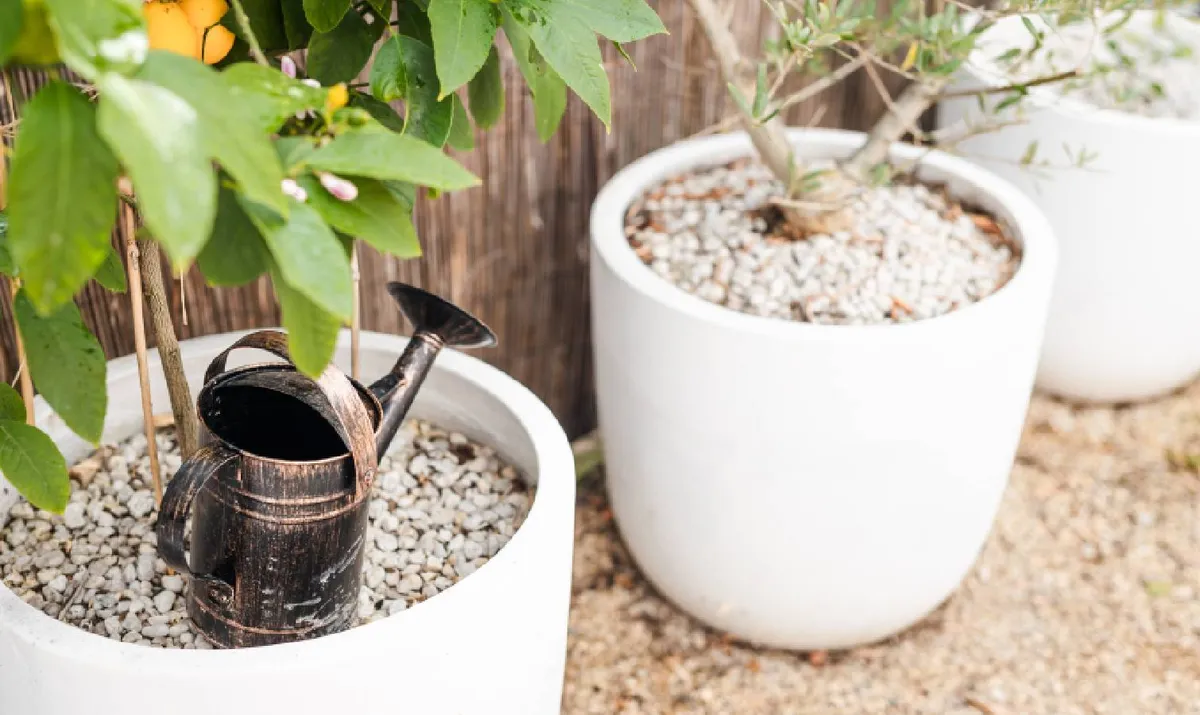
Lemon trees don't produce fruit immediately after planting. They need 3-5 years to mature before they're capable of flowering and fruiting, depending on rootstock. Dwarf varieties fruit sooner than full-sized trees.
If you planted your tree within the past three years, it simply hasn't reached fruiting age yet. Check when you bought it and how old it was at purchase. Add that to the years since planting to determine the current age.
Trees grown from seed take significantly longer — sometimes 7-10 years before first fruit. If you started your lemon tree from a seed rather than purchasing a grafted plant, expect a much longer wait.
2. Tree position matters

Lemon trees need 6-8 hours of direct sunlight daily to produce fruit. Insufficient light produces vigorous leafy growth but few or no flowers, which means no fruit.
Plant lemon trees on the south or west side of your home where they receive maximum sun and warmth. These locations get intense afternoon sun and retain heat from structures, creating ideal fruiting conditions.
Choose locations with shelter from harsh winds that damage delicate flowers and dry out trees. Wind protection is especially important during flowering season.
For potted lemon trees in the wrong location, simply move the container to a sunnier spot. For in-ground trees, consider relocating in late winter or early spring before new growth begins.
3. Water deeply in spring and summer

Water deeply and frequently during spring and summer when trees actively grow and develop fruit. Apply enough water to soak the root zone 12-18 inches deep. These juicy fruits require abundant moisture to form properly.
Reduce watering by half during winter when trees are dormant, then resume deep watering in spring as temperatures warm and flower buds form.
Inconsistent watering causes newly forming fruits to drop before maturing. If flowers wilt or tiny fruits fall off shortly after appearing, adjust your watering schedule.
4. Use citrus fertilizer high in phosphorus

Aim to apply citrus-specific fertilizer high in phosphorus in early spring before flowering. Phosphorus triggers flower production — without it, trees grow vigorously but produce few blooms and therefore little fruit.
Avoid fertilizers high in nitrogen during flowering periods. Excess nitrogen produces leaves and branches at the expense of flowers. This creates large, healthy-looking trees that refuse to fruit.
After fruits begin forming, fertilize again in late spring and once more in early fall. Look for products labeled specifically for citrus with balanced NPK ratios (the percentage by weight of Nitrogen (N), Phosphorus (P), and Potassium (K) in fertilizer), emphasizing phosphorus.
5. Prune minimally and protect from cold

Lemon trees produce fruit on branch tips, so excessive pruning removes fruiting wood. Prune only dead wood, crossing branches, and problem areas. Avoid heavy pruning that removes large portions of the canopy.
Protect trees from unexpected freezes during flowering and early fruit development. Even brief cold snaps damage flowers and cause fruit drop, eliminating your crop for that year.
Use frost blankets, tarps, or old bedsheets to cover trees when freezing temperatures are forecast. Remove coverings during the day. Focus protection on spring when flowers and young fruits are most vulnerable.
Be patient if you've recently improved care
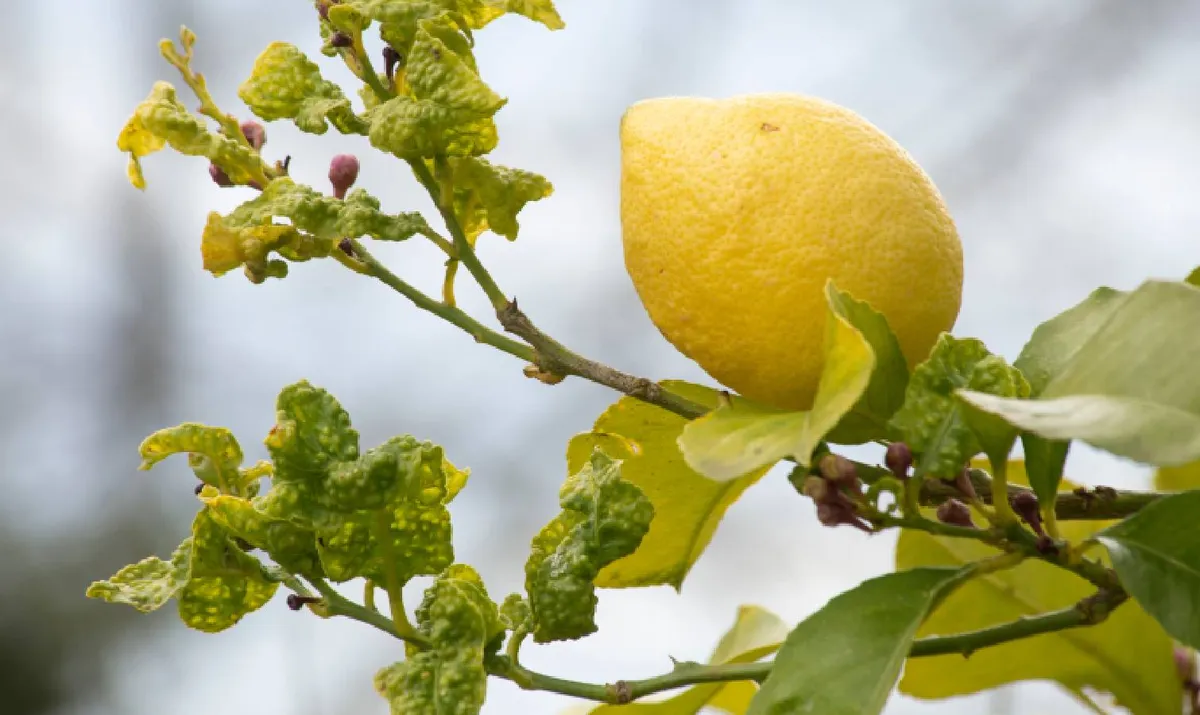
If you've neglected your lemon tree for years and recently started proper care, don't expect immediate results. Trees need time to rebuild health before redirecting energy toward fruiting.
Continue proper watering, fertilizing, and sun exposure for at least one full year. Many previously neglected trees fruit abundantly the second year after care improves.
If the tree still doesn't fruit after two years of proper care, the rootstock may be poor quality. Consider replacing with a dwarf variety grafted onto quality rootstock for more reliable production.

Follow Tom's Guide on Google News and add us as a preferred source to get our up-to-date news, analysis, and reviews in your feeds. Subscribe to Tom's Guide on YouTube and follow us on TikTok.
More from Tom's Guide