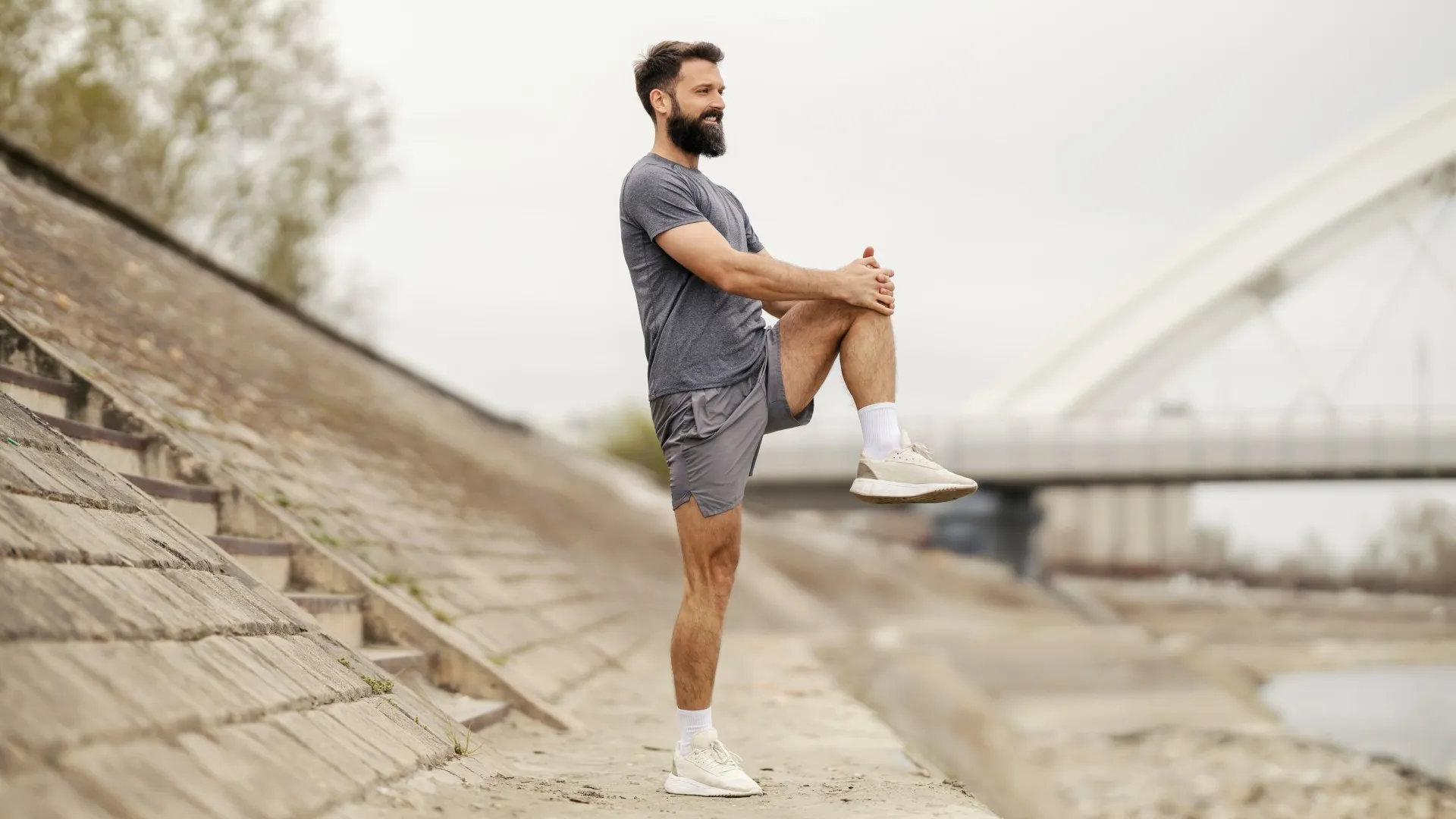
During my 30s, I turned my attention away from high-impact workouts like CrossFit to low-impact exercises that help my body feel strong and supple, like Pilates and yoga, alongside progressive weightlifting.
Did you know that fitness markers begin to decline as early as your 30s? To keep my body strong, stable and mobile, one of my favorite types of routines to teach (as a personal trainer) and follow in my own time is mobility.
It's becoming much more of a "thing" now, especially as recovery tech is on the rise and gym studios offer tailored mobility classes. But it has historically been treated as a chore or something you should do rather than want to.
If you think you might like to give it a go, I've been using these three balance exercises to increase stability in my body. They've genuinely made a noticeable impact on my joints, especially my ankles and knees, and around my shins and calves. You can learn more about them below.
What are the exercises?
Mobility can be fun, as can balance training, which anyone, from elite sportspeople to the person just starting exercise, can benefit from. It's about building longevity and strengthening your body to withstand aging.
While getting older is inevitable, adding strength exercises to your routine alongside mobility work can help you maintain strength and muscle mass, protect your joints and ligaments and help prevent falls or trips.
Here are three I swear by.
If you’re new to exercise, working with an injury or illness, or have any contraindications to exercise, speak with a qualified medical professional before trying these movements.
- Figure-4 with heel raises: Stand with your feet hip-width apart. Place one foot over the opposite thigh, just above the knee. Keep your spine tall and gaze forward, then lift onto the ball of your standing foot, raising the heel away from the ground with control. Pause at the top, then slowly lower your heel for 3-4 seconds. Complete 8-10 reps per side and 2 sets.
- Waterfall with knee raises: Stand with your feet hip-width apart. Shift your weight into your left leg and maintain a soft bend in the knee. Hinge forward at your hips, then lift your right leg slowly behind you as you lean your chest forward, keeping your hips square as you move. Touch your fingertips down and pause at the bottom, then slowly reverse to stand. Complete 6-8 reps per side and 2 sets.
- Ice skaters: Stand with your feet hip-width apart on one side of the room with plenty of room on either side. Push off your right foot and jump to the left, landing with your left foot and swinging your right foot behind the left leg. Try to keep the leg raised or place your toes down for extra support. Push off your left leg and jump to the right, landing with your right foot and swinging your left leg behind your right foot. Use your arms for momentum, but move slowly and explosively. Complete 10-20 reps and 2 sets.
How do I modify?
You can reduce your range of motion, sets, or reps, or hold on to something for support. If the figure-4 doesn't feel achievable, focus on hovering your foot just above the floor or placing your foot across your shin or ankle.
During the waterfalls, you don't need to lower your fingertips all the way to the ground at first; move to a place that feels challenging for you. You also don't have to lift your leg too high if you feel unbalanced.
Ice skaters can be performed fast or slow, but try to use your arms and core to improve balance. You can always place your back foot down briefly between reps for support.
What are the benefits?
These movements are specific: they improve balance and strengthen the muscles and joints in the lower body.
This short routine is simple, effective and repeatable. The good news is that you can repeat balance training several times per week and quite easily measure how your stability improves.
Remember when you had to make SMART goals at work or with your fitness plan? Specific, measurable, achievable, relevant and timely.
These movements are specific: they improve balance and strengthen the muscles and joints in the lower body. They're measurable: you can adapt load, sets and reps, or use progressions like speed or depth as you get better. Each move is achievable for many people: you don't have to be perfect the first time, but all the practice and wobbles will still benefit you. They're also relevant and can be practiced and progressed over time.
All you need is patience and the ability to set a little time aside in your week to give them a try. You can wobble as much as you need to; it's part of the fun, and you're still using the relevant joints and muscles, strengthening them as you practice.
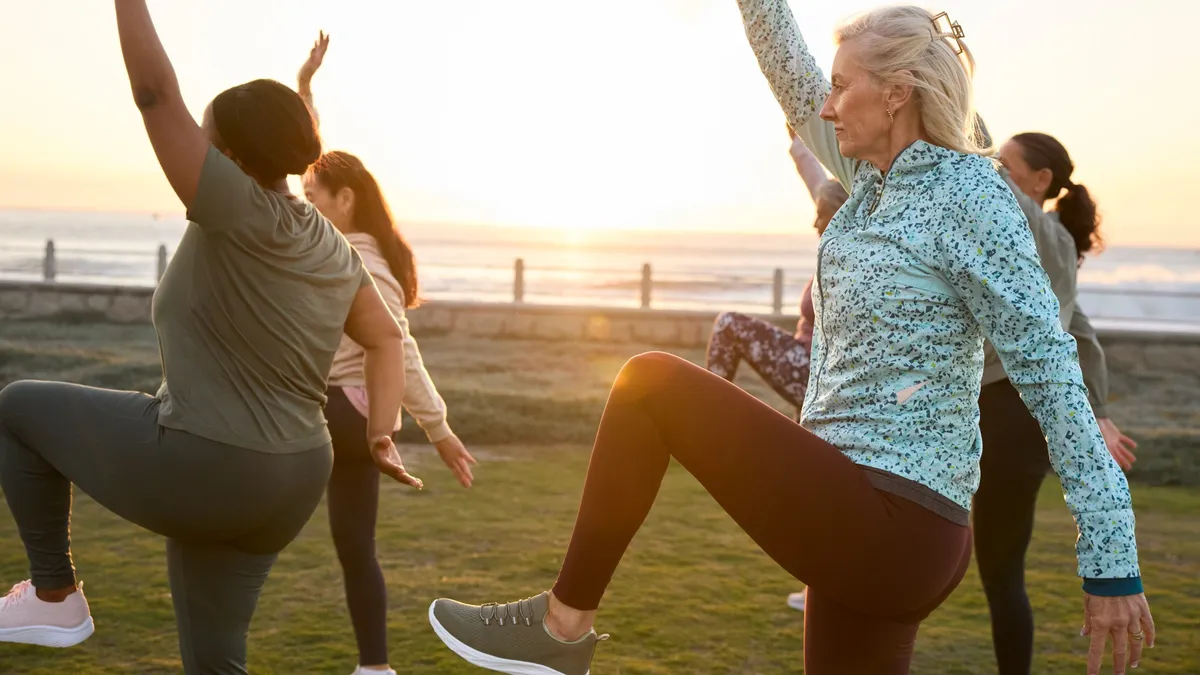
The goal is to train the joints and stabilizing muscles around the ankles, feet, knees and hips so that your lower body feels strong, mobile and stable as you age. This can help prevent trips and falls associated with a lack of mobility, bone density, or muscle mass.
You'll also be doing single-sided exercises, which can help identify any weaknesses and prevent the stronger side from taking over. You're teaching your body to balance on your left and right sides independently, which translates to movements like walking, climbing, or running.
The ice skater is particularly helpful, not only for increasing your heart rate when performed quickly, but also for testing your lateral balance and control, as well as power in your legs, core and arms.
Remember to engage your core throughout this workout, bracing your stomach for impact and breathing toward your stomach, while drawing your navel in. A stronger core can help improve your balance.
Follow Tom's Guide fitness on Instagram for more workouts, routines, tips, and tricks.

Follow Tom's Guide on Google News and add us as a preferred source to get our up-to-date news, analysis, and reviews in your feeds.
More from Tom's Guide
- I’m a physical therapist who works with seniors: Here are the 5 bodyweight exercises I recommend
- "It's never too late to sculpt a strong core without weights, but the earlier you start, the better" — here are 3 moves to try
- Over 60? I’m a personal trainer, and these 3 floor exercises will show you how strong your core is