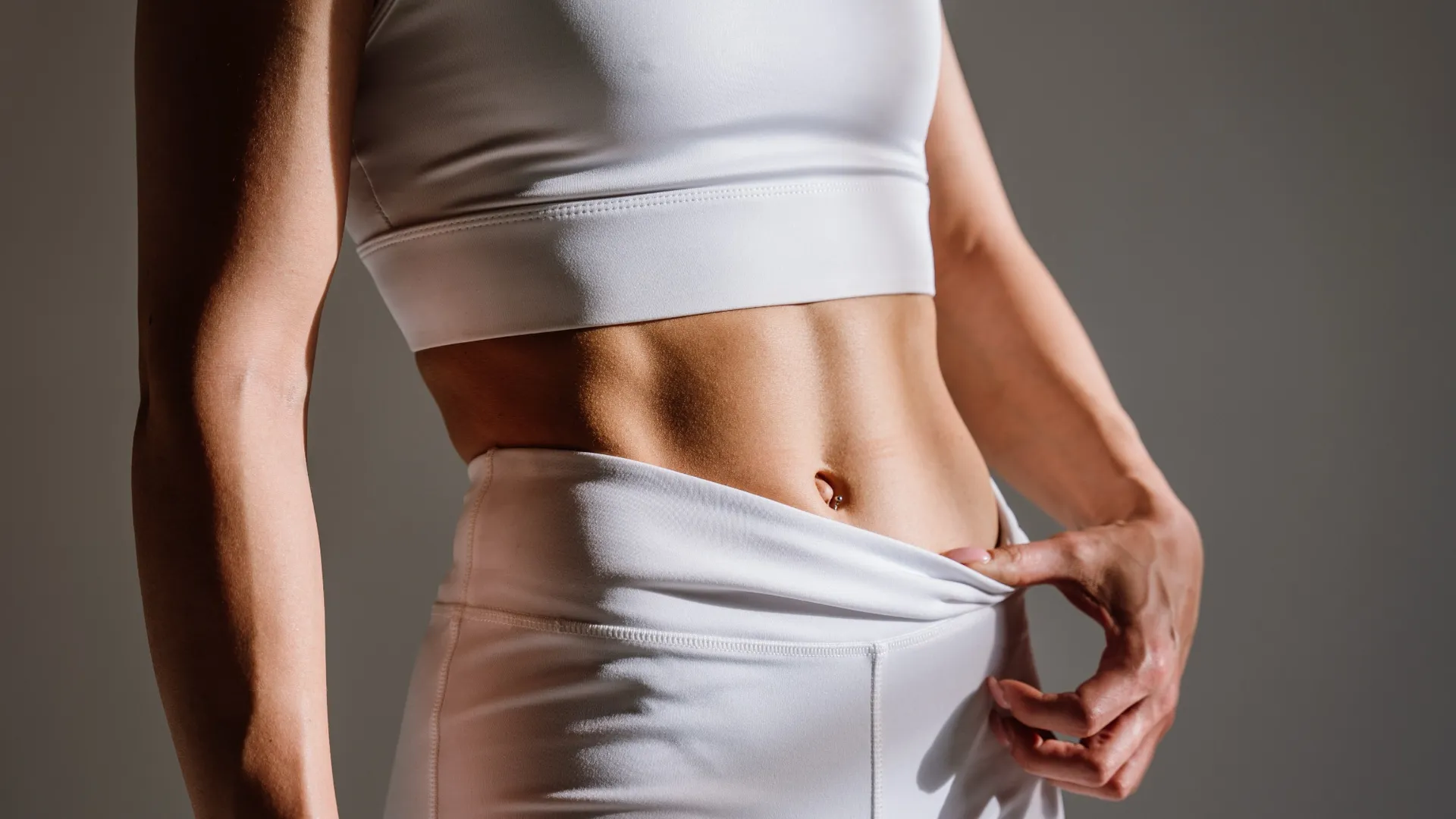
Over the years, I've tried so many of the best core exercises that it's hard to keep track of all of them. But there are a few I'd recommend starting with that are simple, effective and beginner-friendly. They've stuck around in my mind, so that says something.
While the likes of crunches and sit-ups target the more superficial core muscles, you also should think about strengthening your deeper, stabilizer muscles that support your spine and pelvis to build true strength that keeps you injury-free.
Whatever your age or ability, it's never too late to sculpt a stronger core with or without weights, but the earlier you start, the better. Here are three moves I recommend trying.
If you’re a complete beginner, pregnant or postpartum, or currently working with an injury, it’s always best to seek personalized advice from a qualified professional.
What are the exercises?
The exercises below are equipment-free, but I do recommend one of the best yoga mats to support your body. Here's each move and how to do it.
Aim for 3-4 sets of 8-12 reps per side per move with no more than 20 seconds rest between exercises and 30-60 seconds between sets.
1. Cross-body mountain climbers
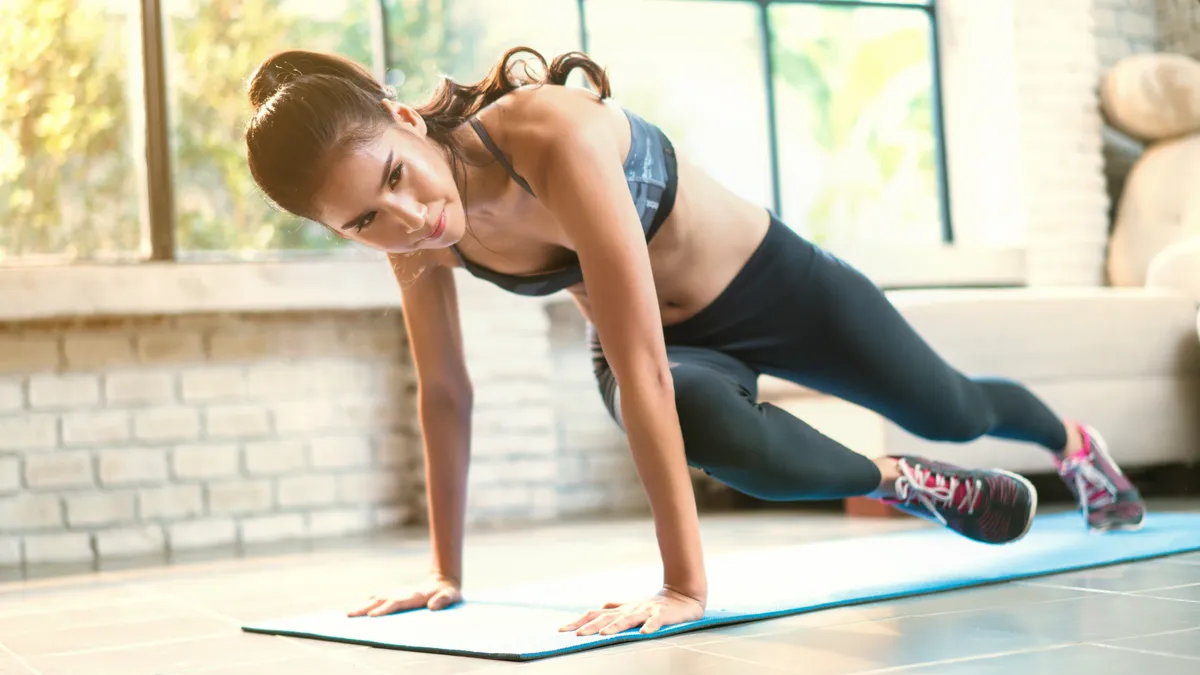
Cross-body mountain climbers use rotation to hit your obliques, as well as your abs. Because you hold a plank throughout, your shoulders and arms are working, too. The deeper core muscles, like the transverse abdominis, also help stabilize the body in the plank position as you draw your knee across your body.
The action of the leg curling toward the body works the hip flexors, but your hips shouldn't take over this exercise.
- Start in a plank position with your shoulders over your wrists and hips aligned with your shoulders
- Brace your stomach and zip your belly button inward
- Push through your hands to broaden through your upper back
- Bend your right knee and draw it forward to the outside of your left wrist. The more you push through your hands, the more space you'll have beneath your body
- Pause, then return to the plank. Switch sides.
2. Forearm bear plank to dolphin plank
The forearm variation of the bear plank improves shoulder mobility while working your upper body, core, hips and legs. You'll need to stay light on the balls of your feet as you lift your hips upward and backward into a dolphin plank, which strengthens your shoulders and improves hamstring flexibility. You might need to bend your knees if you have tight hamstrings.
This is real test on your back and shoulders, so if you feel tight, consider extending your arms rather than resting on your forearms.
- Kneel on your mat and bring your forearms to the mat in front of you so they are parallel to each other, palms down
- Tuck your toes, brace your core, then lift and hover your knees an inch or two away from the mat
- Keep your gaze on your fingers
- Lift your hips up and back as if coming into a downward dog. Keep a soft bend in the knees if you prefer
- Pause, then return to your bear plank with the knees hovering. Repeat.
3. Pike push-up to downward dog tap
Pike push-ups mimic a shoulder press as you move vertically to strengthen your shoulders and triceps. To control the movement, your core muscles must work hard to stabilize you as you move through the push-up and back into the downward dog.
Tapping your hand to the opposite foot engages your obliques through rotation. You can skip these if it's too much. Again, this move improves hamstring flexibility, but you can bend your knees as much as you need to.
- Start in a downward dog position, then walk your feet in a few inches
- Press through your fingertips and brace your core
- Bend your elbows and tap the crown of your head just in front of your hands, creating a tripod position with your head and hands. Maintain an upside-down V-position with your body
- Push up and back to straighten your arms and return to your downward dog, then tap one hand to the opposite foot, followed by the other. Repeat.
What are the benefits?
Stronger obliques and stabilizer muscles
Your obliques work during lateral and rotational movement as they run down the sides of your torso. They are essential for all-around core strength, power and balance.
The cross-body mountain climbers and downward dog taps help engage these muscles and strengthen them. To get the most out of this, move very slowly with controlled movement to improve overall time under tension.
Your deep transverse abdominis muscles also work to keep you stable, which is what we want, because these muscles help wrap the abdomen and create a corset-like protection.
Stronger hip flexors, hamstrings and shoulders
Your hips and shoulders impact posture, so strengthening your upper back, shoulders and hips will help counteract the long-term effects of sedentary lifestyles. Tight backs, hips and hamstrings can contribute to lower back pain, so these exercises will help improve thoracic mobility and stretch out your posterior chain (the muscles along the back of your body).
If, like most people, you spend a lot of time sitting behind your desk, these moves will help improve strength, mobility, stability and balance.
Follow Tom's Guide fitness on Instagram for more workouts, routines, tips, and tricks.

Follow Tom's Guide on Google News and add us as a preferred source to get our up-to-date news, analysis, and reviews in your feeds.
More from Tom's Guide
- This senior workout builds strength, mobility, and balance faster than walking workouts, using 6 bodyweight exercises
- No, not planks! I'm a personal trainer for seniors, and these are the 4 best exercises you can do for core stability at every age
- Forget crunches, planks and sit-ups — I use this slow, controlled Pilates exercise to sculpt my internal and external obliques, as well as build deep core strength