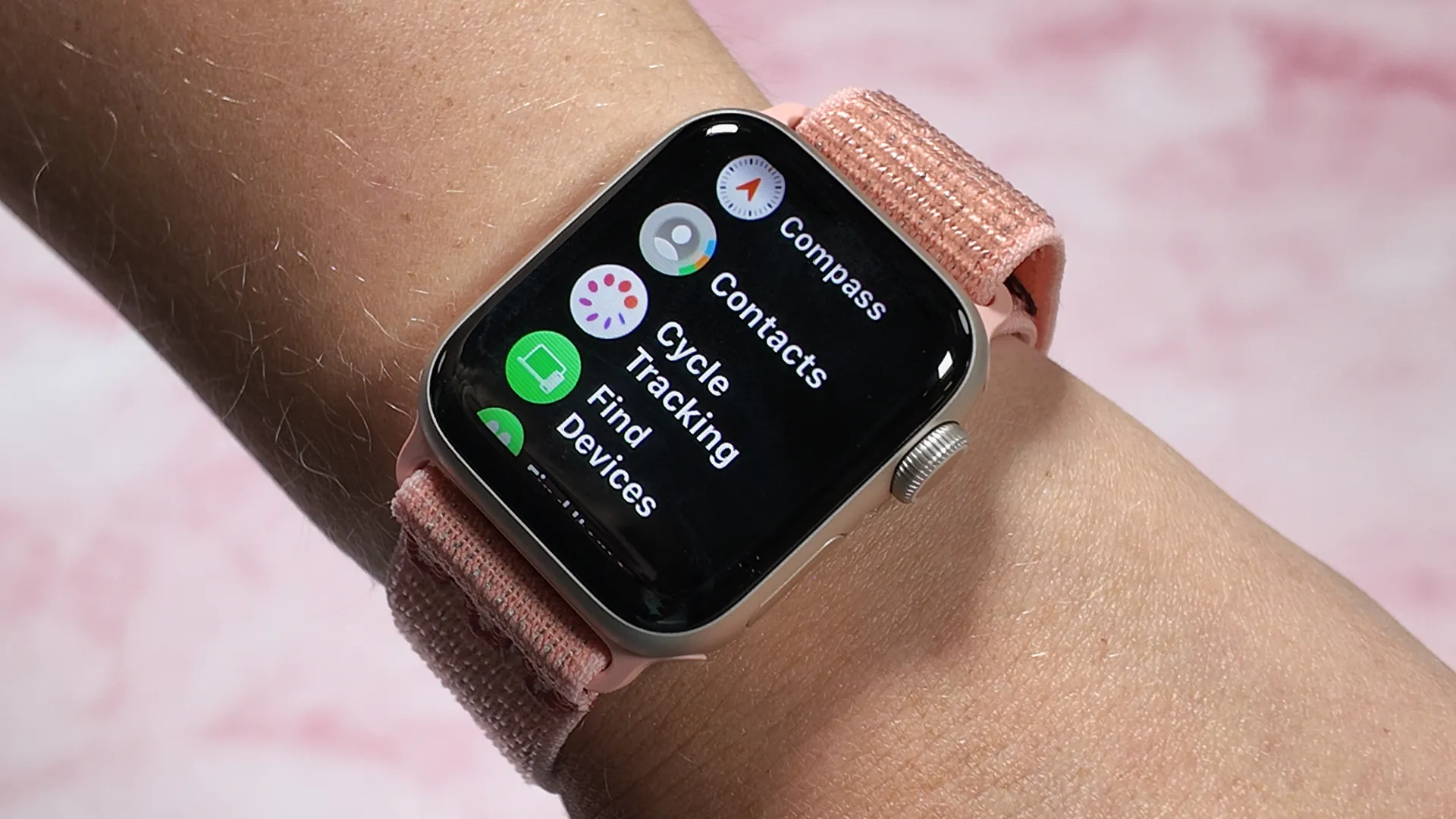
If you’re an Apple Watch wearer, the Health app on your iPhone holds an encyclopedia of (encrypted) data about your overall fitness and wellbeing. From predicting the exact day you ovulate and the time you spend in different stages of sleep, to allowing you to log your daily mood, spending five minutes a day in the Health app can help you spot patterns and trends in your health, and download anything unusual to send to your doctor.
I’ve worn an Apple Watch for the better part of the last decade, but like most people, a lot of the data my watch has been collecting has gone unnoticed. I recently spent some time diving into the Health app, and one big one that passed me by is my cardiovascular fitness level.
Cardiovascular fitness, measured as VO2 max, is widely considered to be the most important predictor of long-term health. Cardio fitness is often viewed as a clinical vital sign, much like your blood pressure or your heart rate, and if you’re an Apple Watch wearer, you can see at a glance how you’re tracking over time, and compared to your peers. Read on to learn more.
Why is cardiovascular fitness important?
Cardio fitness is a strong indicator of your overall health. Individuals who have “high” levels of aerobic fitness for their age group are found to have a significantly lower risk of all-cause mortality than those in the “low” and “below average” groups.
Cardiovascular fitness is measured using a metric called VO2 Max, which is the maximum amount of oxygen your body can consume during exercise. A higher VO2 max puts you at a lower risk of metabolic diseases, such as Type 2 Diabetes.
Many wearables track your cardiovascular fitness, including the best Garmin running watches and the Oura Ring 4. The Apple Watch gives you an estimate of your cardio fitness levels by looking at the data collected on outdoor walks, outdoor runs, or hiking workouts. Using the Apple Health app, you can then see if your cardio fitness levels are high or low for your age and sex, and how they are trending over time.
Even if you’re not training for a race, cardiovascular fitness is a great indicator of how well you’re aging. After the age of 30, your VO2 max typically declines at a rate of approximately 10% per decade. Keeping an eye on your cardiovascular fitness today can help you address how active and fit you are later in life.
How to find your cardiovascular fitness on the Apple Health app
Here’s how to find your cardiovascular fitness. Your Apple Watch gives you a cardio fitness estimate by measuring how hard your heart is working during outdoor workouts in the Workout app, such as: Outdoor Walk, Outdoor Run, Hiking. Indoor workouts, including ones that require gym equipment, do not count towards your cardio fitness estimate.
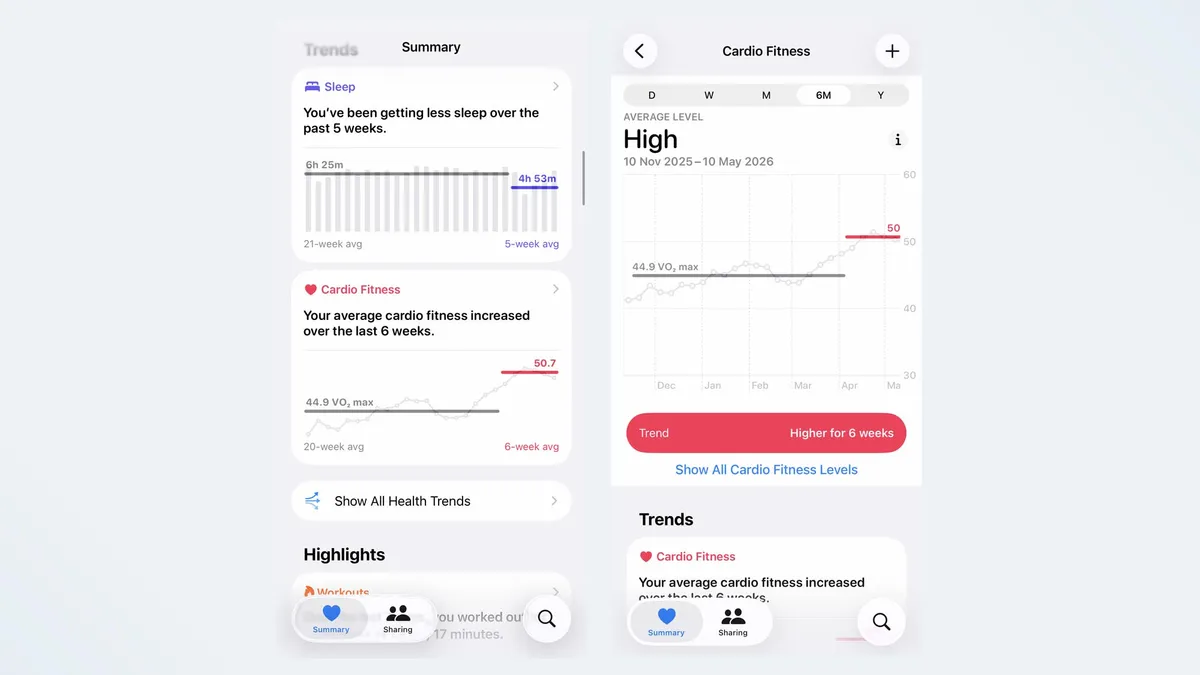
All Apple Watches can estimate your VO2 max using the heart and motion sensors during outdoor activities. It’ll also take into account your age, sex, weight, height, and medications that might affect your heart rate, so make sure all of this information is up to date in the app for the most accurate readings.
Your Health app will notify you if your cardio fitness levels are low for your age and sex. On the app, you can see your overall cardio fitness trends, as well as all of the workouts that Apple has used to collect the data.
Here’s how to do it:
- Open the Health app on your iPhone or iPad.
- If you’re on your iPhone, tap Search in the bottom right corner. If you’re on your iPad, tap sidebar to open the sidebar.
- Tap Heart, then tap Cardio Fitness.
- Tap D, W, M, 6M or Y to view your average for the day, week, month, 6 months or year.
- Tap Show All Cardio Fitness Levels.
- Tap a cardio fitness level to compare your results to other levels based on your age and sex
- You can also pin your Cardio Fitness to your Health home screen, so you can see your results without having to search.
To increase your cardio fitness, increase the intensity and frequency of cardiovascular workouts. This could be walking, running, swimming or cycling. Remember that certain conditions or medications that affect your heart rate may alter your VO2 max readings. If you are concerned, always seek advice from a doctor or medical professional.

Follow Tom's Guide on Google News and add us as a preferred source to get our up-to-date news, analysis, and reviews in your feeds.
More from Tom's Guide