
It’s been nearly three years since we got a new Fitbit model (excluding the kid-centric Fitbit Ace LTE). That all changes today with the introduction of the Fitbit Air, a $99 screenless and subscription-free tracker with a simple-to-use disposition, a week of battery, and basic sleep, workout, and holistic insights.
While the popular, screen-less Whoop 5.0 tracker is targeted toward hardcore athletes, the Fitbit Air is designed to appeal to just about anyone.
Here’s everything you need to know about the new Fitbit Air, including availability, onboard tech, features, and outlook.
Fitbit Air: price and availability
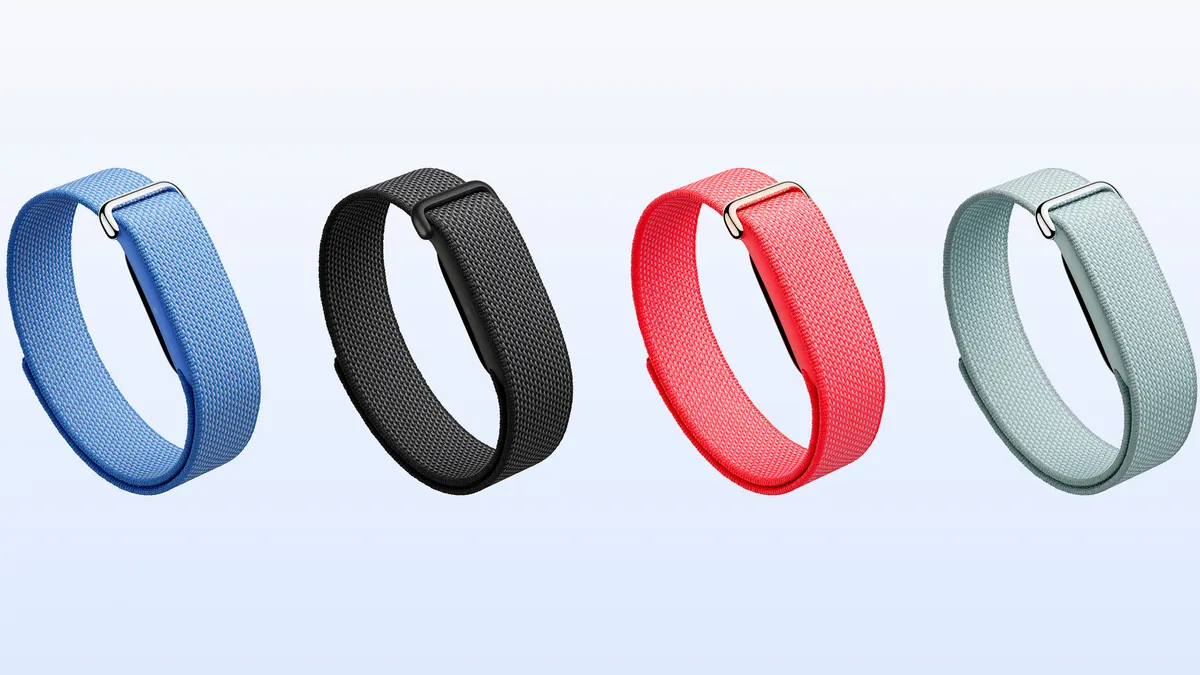
The Fitbit Air is available for preorder starting today for $99, with units expected to ship by the end of May. That price includes the tracker itself and one swappable band. Additional bands — they come in a huge range of styles — start at $34.99.
Google is also offering a special edition Stephen Curry strap for the Fitbit Air that’s designed for “increased airflow,” and looks pretty darn snazzy.
The $99 Fitbit Air additionally includes a 3-month trial to Google Health Premium (previously called Fitbit Premium).
It’s also worth noting that the Fitbit Inspire 3 and Fitbit Charge 6 will remain in the Fitbit catalog for now.
Fitbit Air: Design
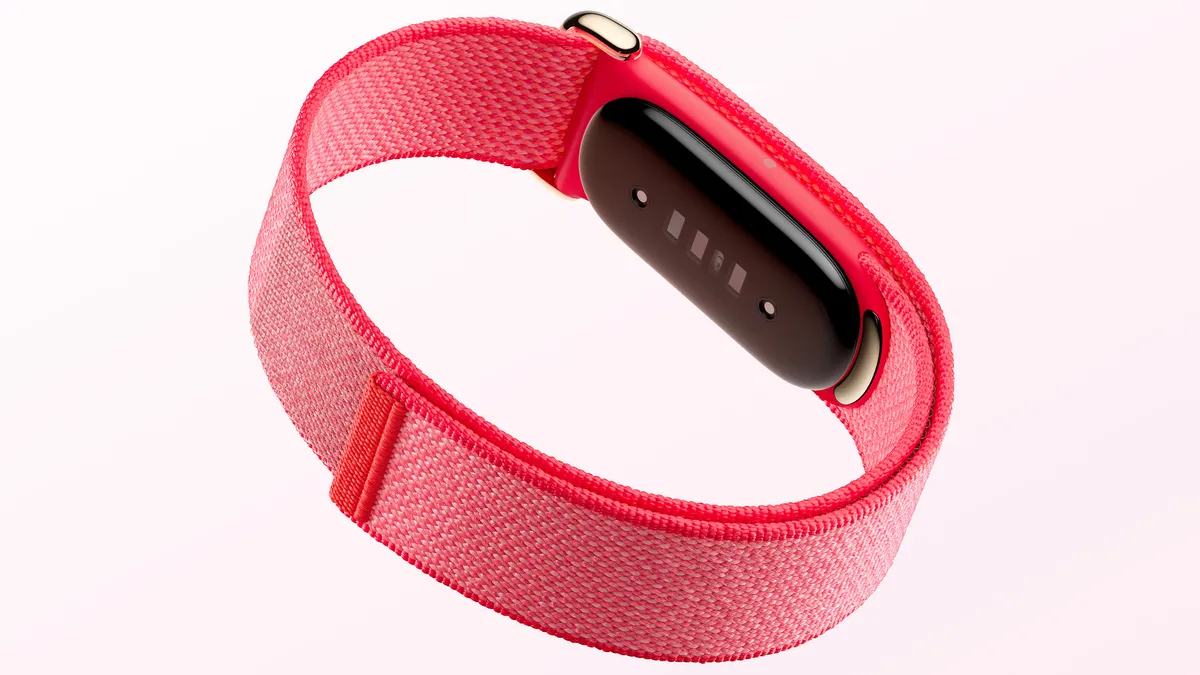
The Fitbit Air has no screens or buttons, but an onboard motor provides haptic feedback for alerts; it can also be used to gently and silently wake you up via Fitbit’s Smart Wake feature. The polycarbonate housing sports only a status lamp, which illuminates when the device is charging.
With dimensions of 1.4 x 0.7 x 0.3 inches and a weight of just 12 g (sans strap), the Fitbit Air truly lives up to its name. Google says it’s the brand's smallest tracker ever, with a footprint that's 25% smaller than the Fitbit Luxe. Despite the plastic housing, water resistance is a respectable 50 meters.
Designed so that you can easily swap one band for another, the selection of strap options at launch is seriously vast, with a wide range of both silicone and textile options to choose from.
Fitbit Air: Health and fitness features
The diminutive Fitbit Air sports an optical heart rate sensor, accelerometer, gyroscope, SpO2 sensor, and skin temperature sensor. It’s worth noting, however, that the latter is less sophisticated than the skin temperature sensor found in the latest Pixel Watch 4.
The Air can detect several potentially deadly conditions, including atrial fibrillation (AFib). It also monitors heart rate variability and can autodetect a small selection of common workout types, like walking, running, cycling, and swimming.
In addition to the auto-tracked workouts, the Fitbit Air supports a wide range of other exercises. You’ll just need to manually select those prior to your workout using the companion app.
There’s no onboard GPS in the Fitbit Air, so you’ll need to bring along a paired smartphone for location and elevation data when working out outdoors.
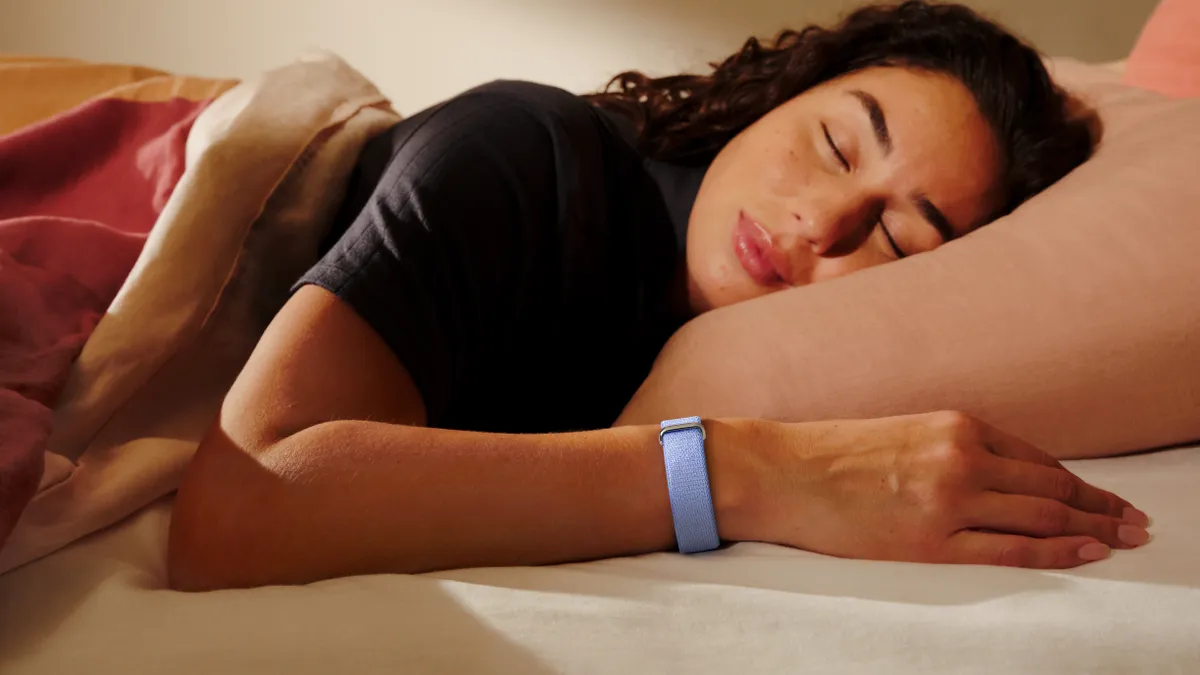
When it comes to sleep tracking, the Fitbit Air provides all the insights you’d expect, like how much time you spent in each sleep stage, your total sleep time, any signs of restlessness, and a numerical sleep score out of 100. It can also autodetect naps as brief as 20 minutes.
Fitbit Air: Battery life
Google says that the Fitbit Air battery should last for up to seven days per charge, which is impressive. Charging the device from 0% to 100% takes just 90 minutes, and users can get a full day of juice from just a five-minute charge.
Similar to other Fitbit models, a magnetic charger with metal contacts attaches to the underside of the device.
Fitbit Air: Outlook
I predict the Fitbit Air appealing to lots of folks, given its $99 price tag and the fact that the core features are completely subscription-free. While it lacks some of the higher-end sensor tech found in the Whoop 5.0, namely onboard GPS and an altimeter, I don’t think that will be a dealbreaker for most users.
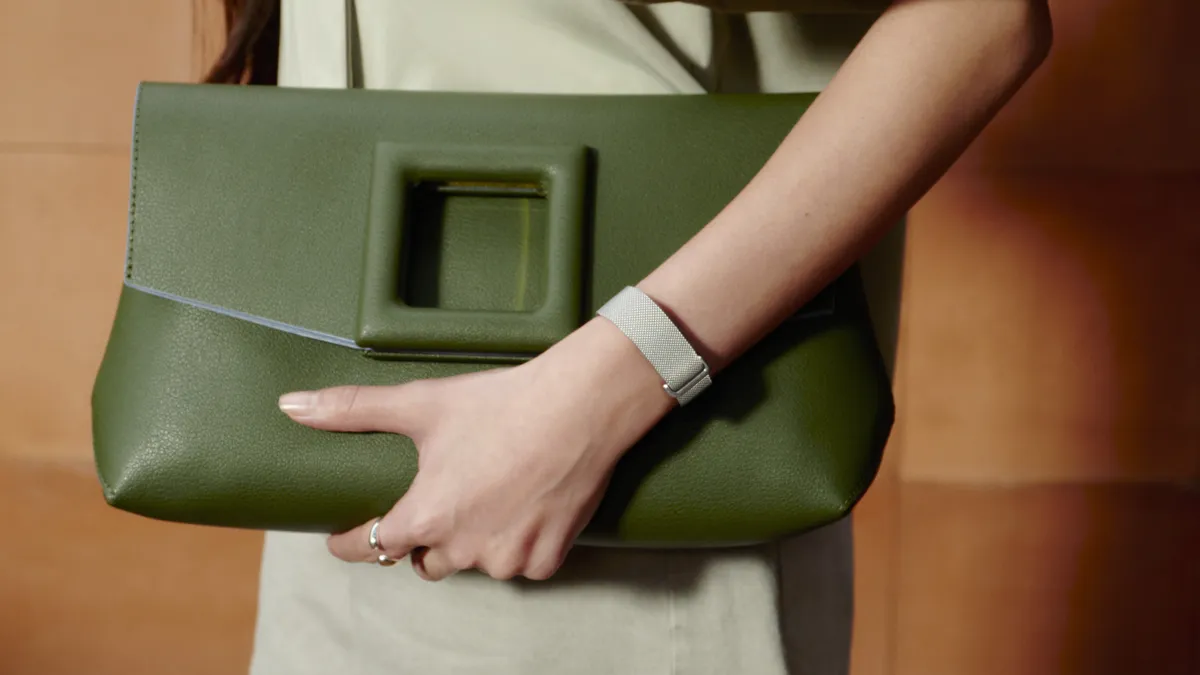
I also love the fact that Google is prioritizing the ability to quickly and painlessly swap out one strap for another to match your mood or outfit. While $34.99 is a tad pricey for a watch strap, I’m confident that cheaper third-party options will become available sooner or later.
Google is also making it easy for Pixel Watch owners to seamlessly swap back and forth between their smartwatch and a Fitbit Air for tracking purposes. So, if you’re like me and hate wearing a smartwatch to bed, the Fitbit Air could be an excellent nighttime tracking alternative to the chunkier Pixel Watch 4.
One more thing: The Fitbit app is now the Google Health app
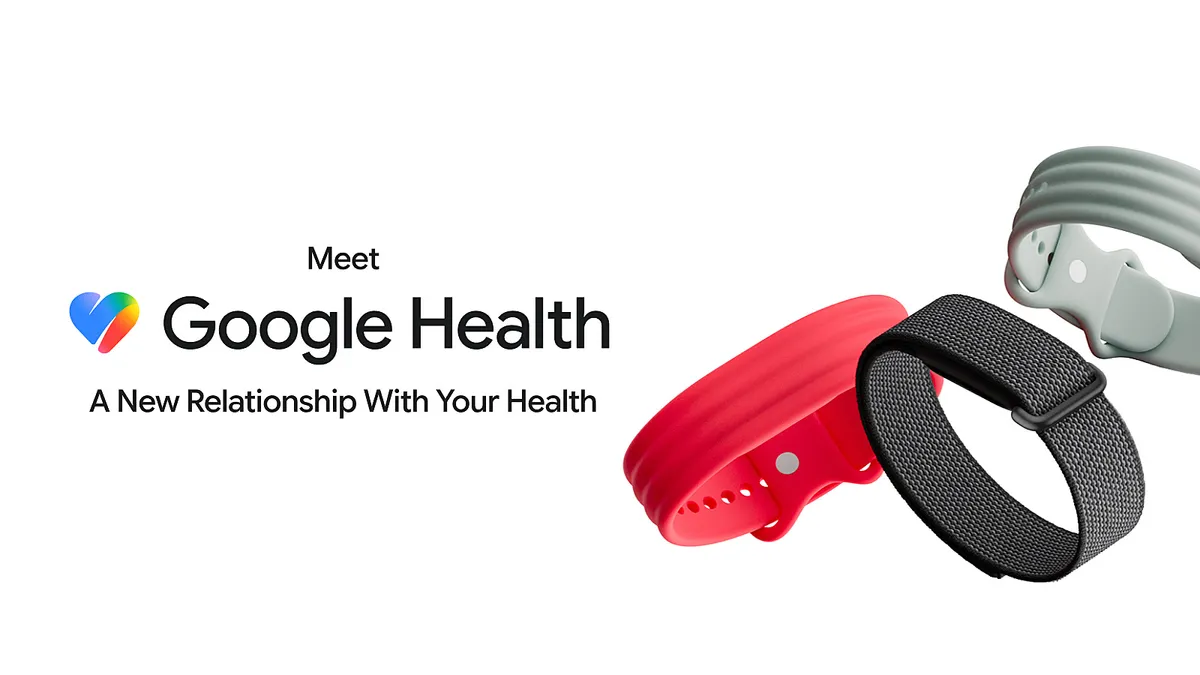
One more thing! In addition to debuting the Fitbit Air, Google is now officially changing the name of the Fitbit app to the Google Health app. Similarly, Fitbit Premium is now Google Health Premium, which still costs $9.99 a month or $99 for the year.
This change will begin rolling out on May 19th via an app update. Current Fitbit app users won’t need to download a new app; rather, the update will automatically change the name of the app, import all of your data, and present everything in a new, slicker format.
Available for both Android and iOS, the new app is built around four core tabs: Today, Fitness, Sleep, and Health, with a major emphasis on user customization. It also plays nicely with tons of other popular fitness apps, including Nike Run Club, AllTrails, MyFitnessPal, and the Oura app.
A new feature lets users securely upload medical records to the app for an even more complete view of health. For peace of mind, all health data is encrypted end-to-end.
Additionally, a new “Leaderboard” feature in the app lets you compete with friends and family in fitness challenges, like who can get the most steps in a given timeframe.
Finally, Google is bringing its AI-powered, personalized fitness training tool, the "Coach," out of beta and making it available to all premium users. The Coach can help you set fitness goals, generate workout plans, improve sleep quality, and even custom-tailor daily workouts based on the weather.

Follow Tom's Guide on Google News and add us as a preferred source to get our up-to-date news, analysis, and reviews in your feeds.
More from Tom's Guide