Forget the Fenix 8: I tested the Garmin Epix Pro for a year and it’s still better value
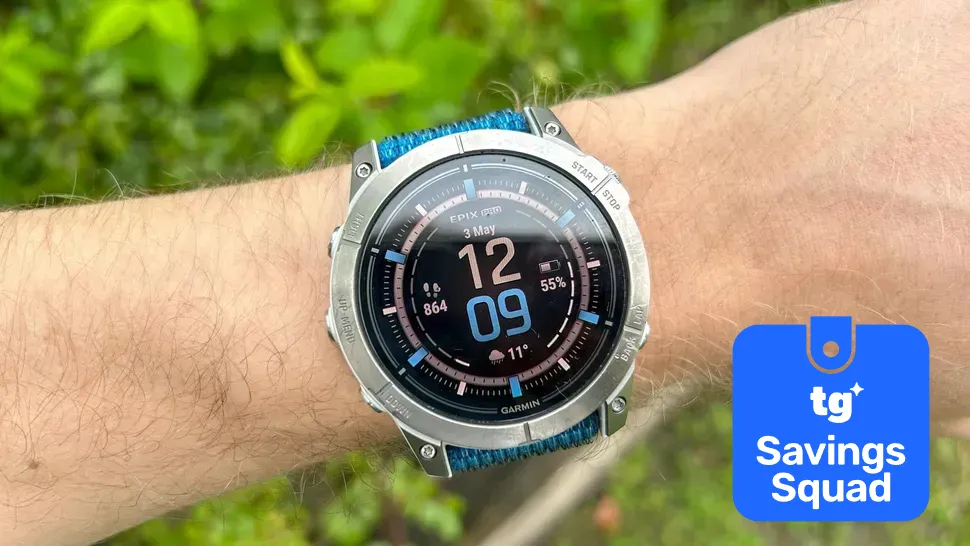
With the price of Garmin’s flagship Fenix line rising with every new model, the value offered by older watches in sales becomes more and more attractive, and the Garmin Epix Pro is almost always discounted somewhere these days.
It’s been superseded by both the Garmin Fenix 8 and Garmin Fenix 8 Pro since its launch, but the Epix Pro is still packed with sports and navigation features and well worth considering if you want an adventure watch but don’t want to pay the high prices demanded by the latest models.
I’ve tested every model of the Garmin Fenix and Epix watches since the Garmin Fenix 5 Plus and wore the Epix Pro for a year when originally testing it, so I’m well acquainted with what it offers compared with the latest and best Garmin watches.
I’ll cover the key upgrades available on the newer watches below and the relative pros and cons of opting for the Epix Pro instead, so you can decide if it offers everything you need or not.
What you need to know about the Garmin Epix Pro
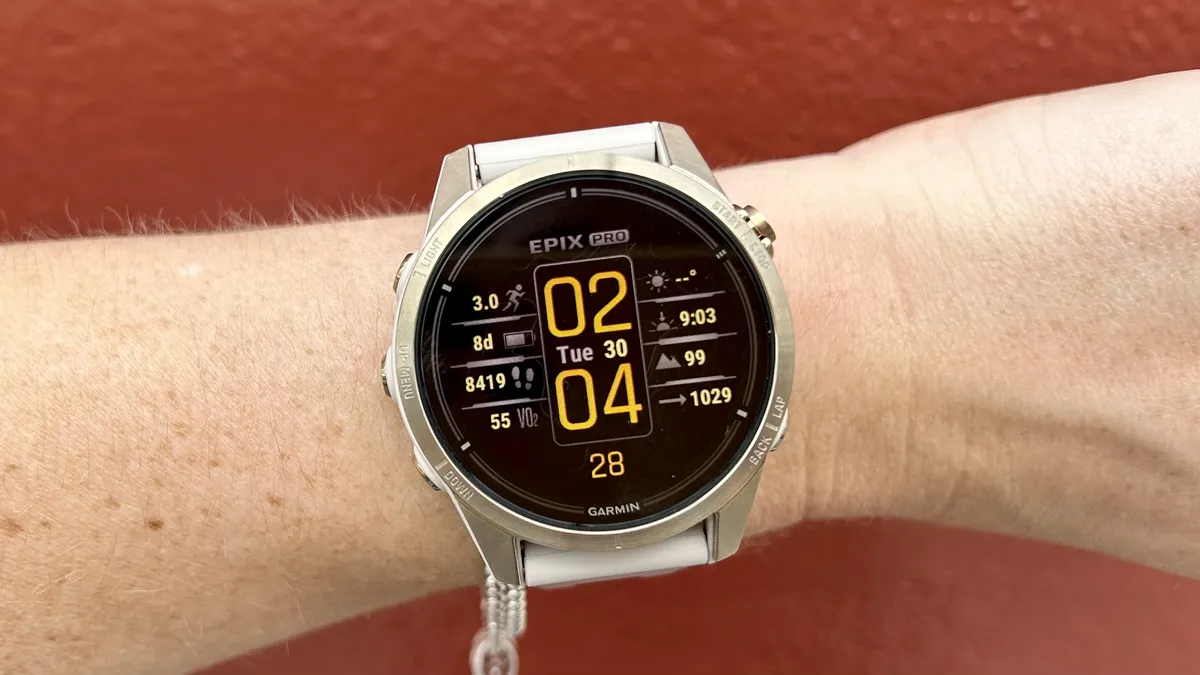
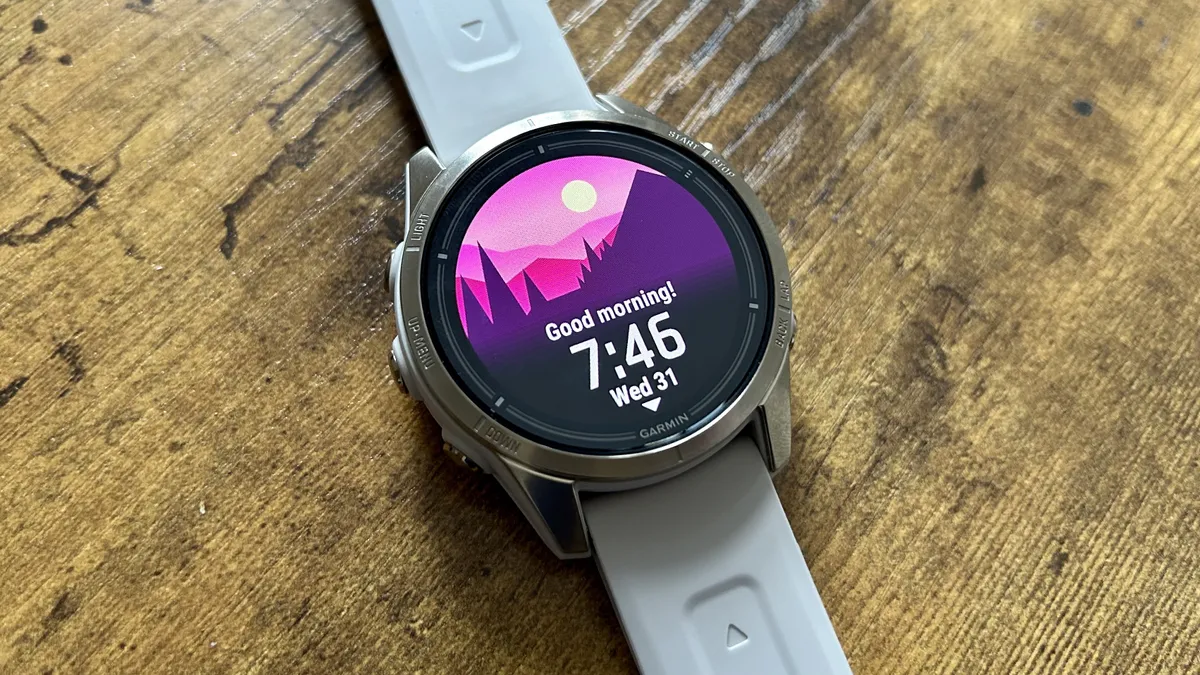
The Garmin Epix Pro launched in 2023 and it comes in three sizes — 42mm, 47mm and 51mm — and two options — standard, which has a glass screen and steel case, and sapphire, which has a sapphire crystal screen and titanium case.
Opting for a titanium model sets you back an extra $100 based on the original pricing of the Epix Pro, which cost from $899 to $1099 at the time of launch, depending on the model you went for.
The Epix Pro was released alongside the Garmin Fenix 7 Pro, which had the same features but a memory-in-pixel (MIP) display as opposed to the AMOLED screen on the Epix Pro.
In the years since Garmin has folded the Epix line into the Fenix line, so the Fenix 8 had both AMOLED and MIP options. The Fenix 8 AMOLED and Fenix 8 Pro AMOLED are the direct successors to the Epix Pro.
The Epix Pro is a rugged adventure watch with a metal case, long battery life, excellent navigation features and detailed sports tracking and training analysis.
It also has a built-in flashlight and some useful smart features, including music storage and the ability to link up with streaming services, and NFC payments.
The newer Fenix watches have a few more features, but even the latest models from other brands like Suunto and Coros aren’t as feature rich as the Epix Pro.
Garmin Epix Pro: specs compared
| Row 0 - Cell 0 | Garmin Epix Pro |
Garmin Fenix 8 AMOLED |
Garmin Fenix 8 Pro AMOLED |
Price |
$899-$1099 |
$999-$1199 |
$1199-$1299 |
Size |
42mm, 47mm, or 51mm |
43mm, 47mm or 51mm |
47mm or 51mm |
Thickness |
14.2mm (42mm), 14.6mm (47mm), 15.0mm (51mm) |
13.8mm (43mm & 47mm), 14.7mm (51mm) |
16mm (47mm), 16.5mm (51mm) |
Case weight (titanium) |
42g (47mm), 47g (47mm), 60g (51mm) |
44g (47mm), 52g (47mm), 64g (51mm) |
56g (47mm), 65g (51mm) |
Display |
Glass or sapphire crystal |
Glass or sapphire crystal |
Sapphire crystal |
Connectivity |
None |
None |
LTE & satellite |
Smartwatch battery life (raise-to-wake) |
10 days (43mm), 16 days (47mm), 31 days (51mm) |
10 days (43mm), 16 days (47mm), 29 days (51mm) |
15 days (47mm), 27 days (51m) |
Smartwatch battery life (always-on) |
4 days (43mm), 6 days (47mm), 11 days (51mm) |
4 days (43mm), 7 days (47mm), 13 days (51mm) |
8 days (47mm), 15 days (51mm) |
GPS battery life (all-systems) |
16 hours (43mm), 32 hours (47mm), 48 hours (51mm) |
18 hours (43mm), 30 hours (47mm), 54 hours (51mm) |
26 hours (47mm), 47 hours (51mm) |
How much should the Garmin Epix Pro cost in 2026?
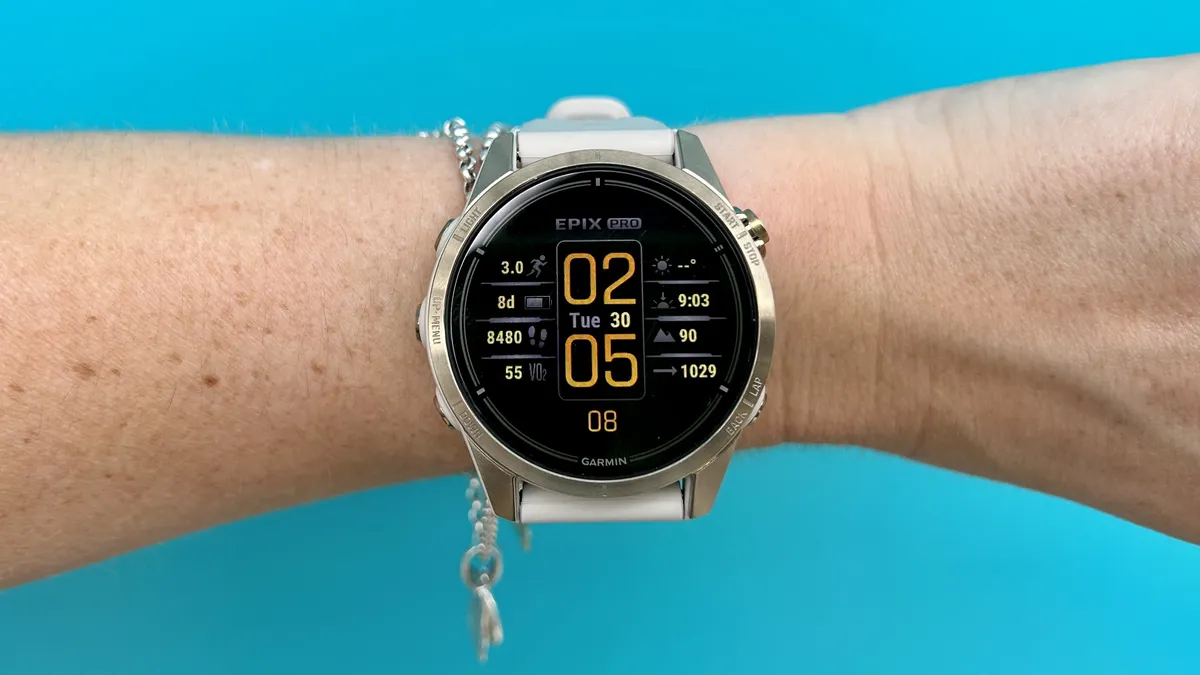
The best deals available tend to be on the sapphire titanium model of the watch, which I do think is worth getting over the standard model anyway, because it’s lighter and more durable.
If you shop around the likes of Amazon, Walmart and Best Buy, you can usually find the watch for half its original price, so $499 for the 42mm and 47mm sapphire watches, and $549 for the 51mm sapphire watch. On occasion the 47mm watch has dropped to $449, which is the lowest I’ve ever seen it.
Even in sales you’ll pay more like $849 for the equivalent Fenix 8 and $949 for the Fenix 8 Pro, so it’s a notable saving to opt for the Epix Pro.
What do newer models offer?
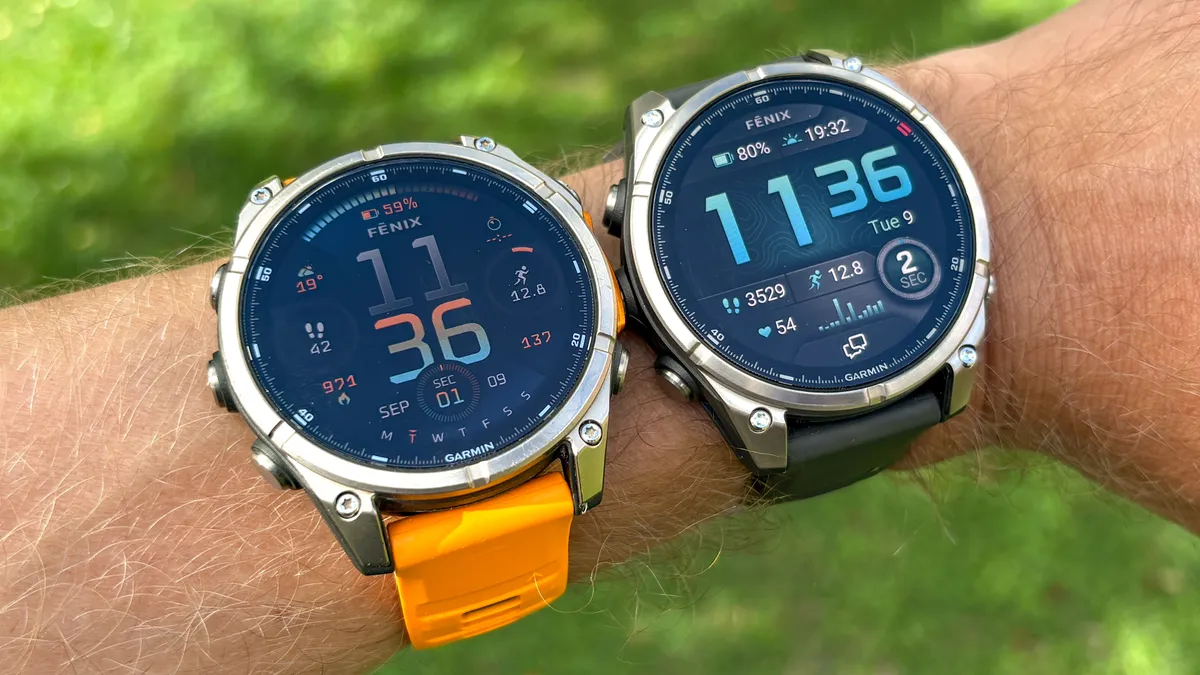
There are some design differences between the Epix Pro and newer models, starting with the fact you can get a MIP or AMOLED screen on the Fenix 8, and AMOLED or MicroLED on the Fenix 8 Pro.
I’m going to compare the AMOLED models of those watches though, since that’s the most applicable if you’re picking between them and the Epix Pro.
Other design upgrades on the newer watches include a speaker and mic, leakproof buttons and a diveproof rating of 40m. The Fenix 8 Pro also has a brighter AMOLED screen than older models.
On the software side of things the newer Fenix watches have an updated user interface that’s a bit easier to navigate, and are still getting updates that bring new features to them, like Garmin’s handy running tolerance estimate and running economy measurements.
One of the biggest upgrades available is only on the Fenix 8 Pro, which is LTE and satellite connectivity.
This could be an invaluable addition if you regularly head off the grid for your activities, since it allows you to stay connected where there’s no cellular signal. It’s also handy for general use if you prefer not to bring your phone with you during activities.
In my extensive testing — I’ve run marathons with all three watches and an ultramarathon with the Epix Pro — I found that they offered the same level of GPS and heart rate accuracy, impressing on both fronts.
Going forward, I expect the Fenix 8 Pro will continue to get new software features via updates for the foreseeable future, something that’s not the case with the Epix Pro, which I think will only get things like bug fixes.
Is the Garmin Epix Pro still worth it in 2026?
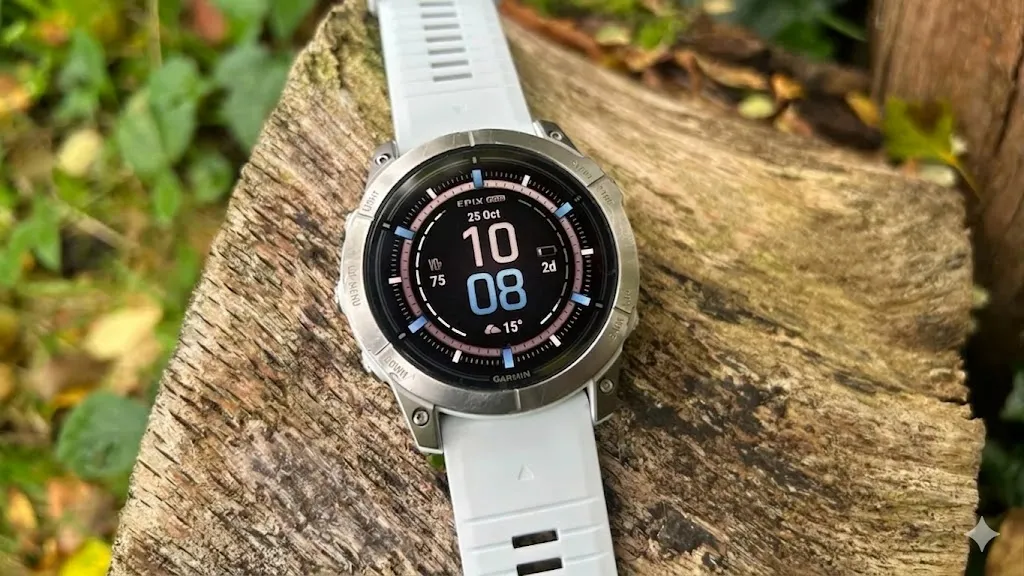
If you’re putting together a checklist of features you want on your watch and it includes a rugged design, maps, an AMOLED display and impeccable sports tracking, the Epix Pro ticks all those boxes.
It’s absolutely still worth looking at in 2026, because a lot of the updates available on newer Garmin watches are not essentials for everyone. If you don’t need the mic and speaker or LTE/satellite connectivity and don’t go diving, the Epix Pro covers the same bases well at a much lower price in sales.
You won’t get software updates and at times the Epix Pro can look and feel a little dated when compared directly to the newer Fenix watches, but that’s not a huge price to pay given the saving you’re making.
Outside the Fenix 8 and Fenix 8 Pro some other new watches that compete with the Epix Pro include the Suunto Vertical 2, which offers longer battery life and is $599 (steel) or $699 (titanium), and the Garmin Forerunner 970 ($749), which is lighter and slimmer than the Epix Pro and has all of Garmin’s latest features, but has a mostly plastic design.

Follow Tom's Guide on Google News and add us as a preferred source to get our up-to-date news, analysis, and reviews in your feeds. Make sure to click the Follow button!
More from Tom's Guide