Flu season is underway and as global levels of so-called 'super flu' rise, taking care of your health should be top priority. A new study published by Frontiers suggests a good night's sleep might help you avoid seasonal sickness, especially if insomnia and anxiety are plaguing your holiday season.
Key takeaways from the study
- Participants experiencing Generalized Anxiety Disorder (GAD) showed lower NK cell count
- This was even more prevalent in those with GAD and insomnia
- As a result, people who are sleep deprived may struggle to fight viral infections
The study found people experiencing both GAD (Generalized Anxiety Disorder) and insomnia showed lower levels of NK (Natural Killer) cells than those without symptoms.
A type of white blood cell, NK cells are known to attack and destroy infected cells, including the influenza virus.

"We found that in students with insomnia symptoms, count and percentage of total NK cells and their sub-populations were declined," author of the study Dr. Renad Alhamawi, assistant professor of immunology and immunotherapy at Taibah University, explained to Medical Express.
This isn't a new discovery — the link between good sleep and a healthy immune system is well established. However, the intersection with GAD is particularly relevant at this time of year as SAD and holiday stress can cause rising anxiety levels.
Dr. Alhamawi told Medical Express that students with GAD had a "lower percentage and number of circulatory NK cells and their sub-populations, compared to symptom-free students."
There are some liabilities to the study, primarily its lack of diversity (only young females were observed.)
However, for those who are often inclined to neglect their sleep during the busy holiday season, this study further reinforces the need for a good night's rest.
How poor sleep leaves you vulnerable to flu
“To recover from illness, your body needs deep, uninterrupted sleep," explains Dr. Menachem Jacobs, Resident Physician at Yale New Haven Hospital.
A study from 2011 noted the "specific role of sleep in the formation of immunological memory", observing that during the early sleep stages T cells, vital to the creation of an immune response, peak. And on a more anecdotal level, a 2018 survey found 95% of physician's believe a good night's sleep is important for cold/flu patients.

On the other hand, research from 2025 noted just a single night of poor sleep can negatively impact your immune system.
The study found that sleep deprivation altered the profile of monocytes, white blood cells vital to your immune system, among otherwise healthy individuals.
Sleep deprivation can also result in unhealthy choices: you're less likely to eat well and exercise when feeling tired. As a result, you might find your illness lingers, as your body lacks the support it needs to fight sickness.
5 ways to improve your sleep (and your immune system)
1. Keep your cool
While you might be tempted to cocoon yourself in warmth when going to bed in winter, it's better to maintain a cooler room.
"When your core temperature does not drop properly at night, your body cannot enter the deepest sleep stages that help your immune system repair itself," says Dr. Jacobs. "The result is waking up feeling drained and more likely to catch whatever bug is going around.”

The perfect temperature for sleep is between 65 to 70 °F (18 to 21 °C), as this cooler feel helps your sleep cycle stay aligned with your circadian rhythms.
“If you wake up feeling hot and restless, it is a sign your bedroom might be too warm," says Martin Seeley, CEO at MattressNextDay. "Try using breathable cotton sheets and lighter layers instead of a heavy duvet."
2. Try the 15 minute method
The 15 minute sleep rule encourages you to get out of bed to help you sleep; but it's not as strange as it sounds.
Lying awake at night weakens the connection between "sleep" and "bed" in your brain. (Also why we don't encourage bed rotting and bedtime stacking.) You might also find the 'helpless' feeling of being unable to sleep stressful, causing your brain to associate the bed with anxiety.
However, getting out of bed once you've been lying awake for 15 minutes disrupts these associations. We recommend leaving the room and engaging in a calming activity (such as reading) until you feel ready for sleep.
For those experiencing feverish flu symptoms, this can also give your bed, and your head, a chance to cool down.

3. Add 'worry time' to your day
There's no easy cure for nighttime anxiety but the constructive worry method can help those who find themselves kept awake by racing thoughts to fall asleep faster.
The method encourages taking 15 minutes every evening (not too close to bedtime) to write down three worries, followed by three solutions for you to undertake the next day. This gets the anxious thoughts out of your mind and onto the page.
4. Keep a consistent sleep schedule
Our sleep cycle is a creature of habit but over the holiday season, many of us find our consistent routine gets knocked all over the place.
Late nights, later mornings and the occasional post-lunch nap all disrupt your sleep schedule and as a result, when you finally climb into bed you might find it more difficult than usual to drift off.
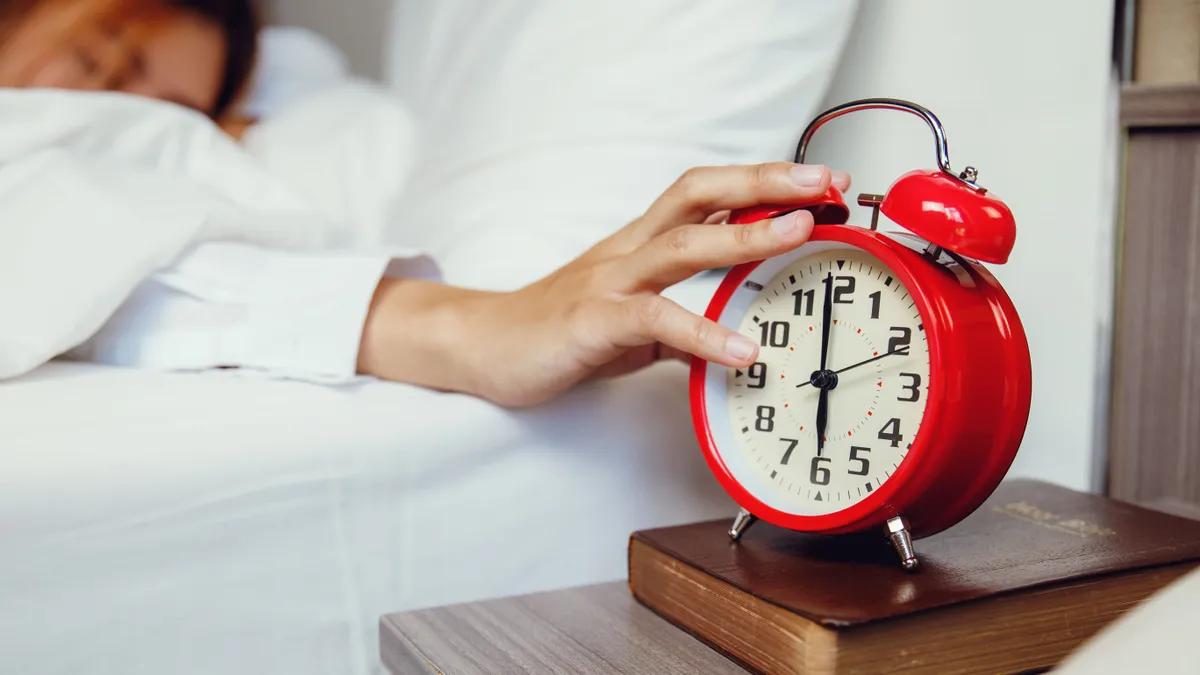
The best advice is to maintain consistency as much as possible, which means even after a late night, set your alarm for your usual wake-up time. You'll find it much easier to fall asleep the following night, while a mid-morning nappucino can power you through the slump.
5. Listen to your body
Christmas comes but once a year and as a result, many of us feel obliged to push through tiredness and sickness to avoid holiday FOMO.
But in the long run this is probably going to do more harm than good. Your body will struggle to keep up with your lifestyle until you're eventually forced to step back.
"If you feel a cold coming on, it’s not a sign of weakness to rest, it’s a biological signal that your immune system needs energy," explained Dr. Rubin, when advising us how to sleep for a strengthened immune system.
Rather than skipping sleep, he advises extra rest: "going to bed 30–60 minutes earlier for a few nights can make a real difference."

Follow Tom's Guide on Google News and add us as a preferred source to get our up-to-date news, analysis, and reviews in your feeds.