As Black Friday deals roll in and cold weather sets the stage for hibernation season, now is the perfect time to check whether your hybrid mattress is still doing its job.
A hybrid bed combines pressure-relieving foam layers with sturdy coils to create a plush, supportive sleep environment that combines the best of both worlds.
Hybrid mattresses blend standout features of foam and innerspring beds, but even the best hybrid mattress will naturally break down over time. Foam can sag, springs can lose their bounce and you might wake up feeling more sore than well-rested.
If your hybrid bed is no longer as comfortable as it once was, you might be wondering if it’s time to replace it, especially as mattress sales are picking up for holiday season. Read on for top signs your hybrid mattress needs replacing, as well as tips on how to shop for a hybrid bed that suits your sleep style.
How long does a hybrid mattress last?
We recommend replacing your mattress every seven to 10 years and a high-quality hybrid bed should last toward the upper end of that range. Hybrids have some of the best durability on the market since their sturdy coil layer helps maintain overall support and reduces how quickly the foam layers deteriorate.
That being said, a few factors can influence how long a hybrid mattress actually lasts. Materials used in the foam layers are key. Hybrid beds made with durable latex will often net you longer use than those made with traditional memory foam.
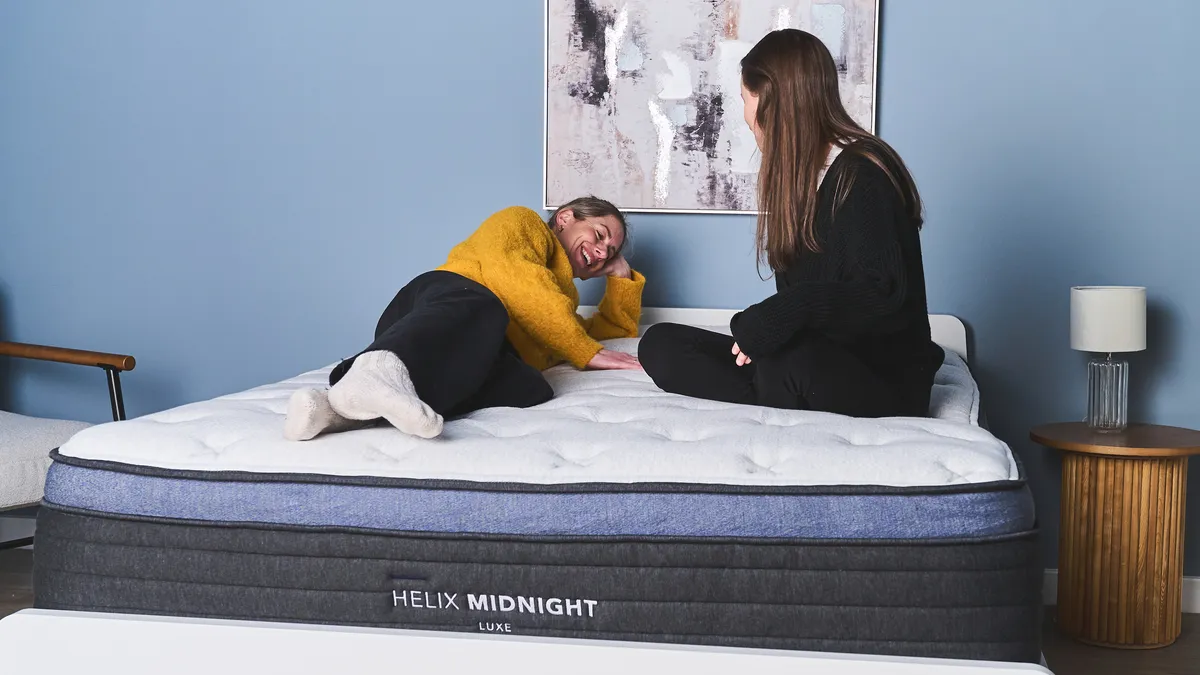
Coil quality also plays a role. Strong, well-built springs provide better structure and support over time, maintaining their tension longer than weaker spring systems. For example, luxury hybrid beds from Saatva come with 14.5 gauge coils and the average Saatva mattress lasts around 10-15 years.
Proper care can also extend the lifespan of your mattress. Rotate your mattress every six months, air it out and blot away any moisture to prevent sagging and early degradation of materials.
Using a high-quality mattress protector is also a great way to keep allergens, dust mites, moisture and pet dander away from your mattress.
3 signs you need to replace your hybrid mattress
1. It's older than 10 years
Even the best mattresses break down over time. Once you’ve hit the 10-year mark, the supportive core usually isn’t performing at its best.
Once you’ve hit the 10-year mark, the supportive core usually isn’t performing at its best
Since hybrid beds are an investment, it’s understandable why you’d want to get as much use out of your bed as possible.
However, continuing to sleep on a sagging mattress can take a toll on your sleep and comfort, and may even lead to aches and pains in the daytime.
If you've had your hybrid for under five years but it now feels uncomfortable, it might mean that your sleep needs have changed. An affordable mattress topper can help refresh the feel of the bed without having to splurge on a new mattress.
2. Dipping, sagging, or creaking of the springs
A good hybrid mattress is designed to support your body from head to toe, but over time, sections of the core can start to dip. Daily bed use causes the springs to compress and expand, gradually wearing them down until they lose their bounce and start to sag.
This is often most noticeable around heavier areas of the body like the hips and low back, which is why regularly rotating your mattress is important.
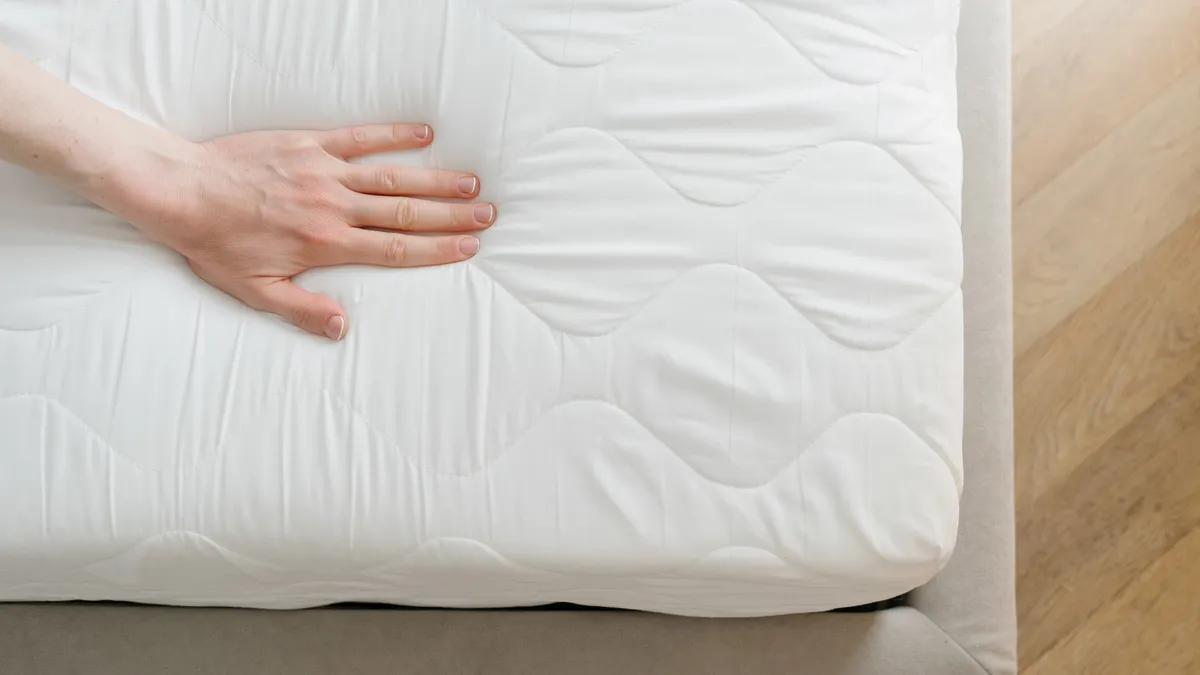
Sometimes, a dip in quality isn’t just noticeable in the mattress itself, but the sounds it makes. Instead of sliding into bed quietly, you may hear squeaks.
A little squeaking isn’t a dealbreaker (unless you’re a sensitive sleeper or share a bed), but it tends to be an early warning that the mattress is nearing the end of its lifespan.
3. It's no longer comfortable
Your body will often give you clues that it’s time for a new mattress, even if your bed still looks fine. Visual signs of a hybrid bed wearing out can be subtle, especially if you've kept up with our advice for how to clean a mattress.
These are red flags that it’s probably time to replace your mattress
However, if you’re waking up with aches or pains, or never feel refreshed, no matter how much sleep you’ve gotten, these are red flags that it’s probably time to replace your mattress.
Hybrids are some of the best mattresses for back pain, so when they start to sag, it’ll cause noticeable discomfort. Sinking into the mattress can put strain on your lower back, but in addition to physical pain, it can lead to sleep deprivation.
If your sleep quality has declined without any changes to your nighttime routine, an old mattress might be to blame. Yet if you’re waking up with constant neck pain, it’s worth checking your pillows as well, since even the best pillows lose support over time.

Top 3 tips for buying a quality hybrid mattress
1. Quality materials
If you want a mattress that withstands time, investing in high-quality materials is worth it. While you might pay more upfront, a better build will last longer, saving you money by avoiding the need to replace a cheaper mattress sooner.
Look for strong springs, high-density foam (which is slower to degrade than low-density foam) and CertiPUR-US certification, which means polyurethane foams are free from harmful chemicals.
Also look for reinforced edges, which help a bed maintain its shape around the perimeter, improving edge support, and removable and washable covers, which keep your mattress free from allergens, dust mites, pet dander and sweat.
2. Lengthy warranty period
It’s tough to judge the quality of a hybrid mattress without trying it, especially if you’re buying online, but a long warranty from a reputable brand can help you feel more confident in your purchase.
Most mattresses come with a 10-year warranty, which covers the average lifespan of the majority of mattresses, but a premium brand might offer a 15, 20 or even a 25-year warranty. Saatva, the brand behind our favorite Saatva Classic Mattress, offers an industry-leading lifetime warranty.
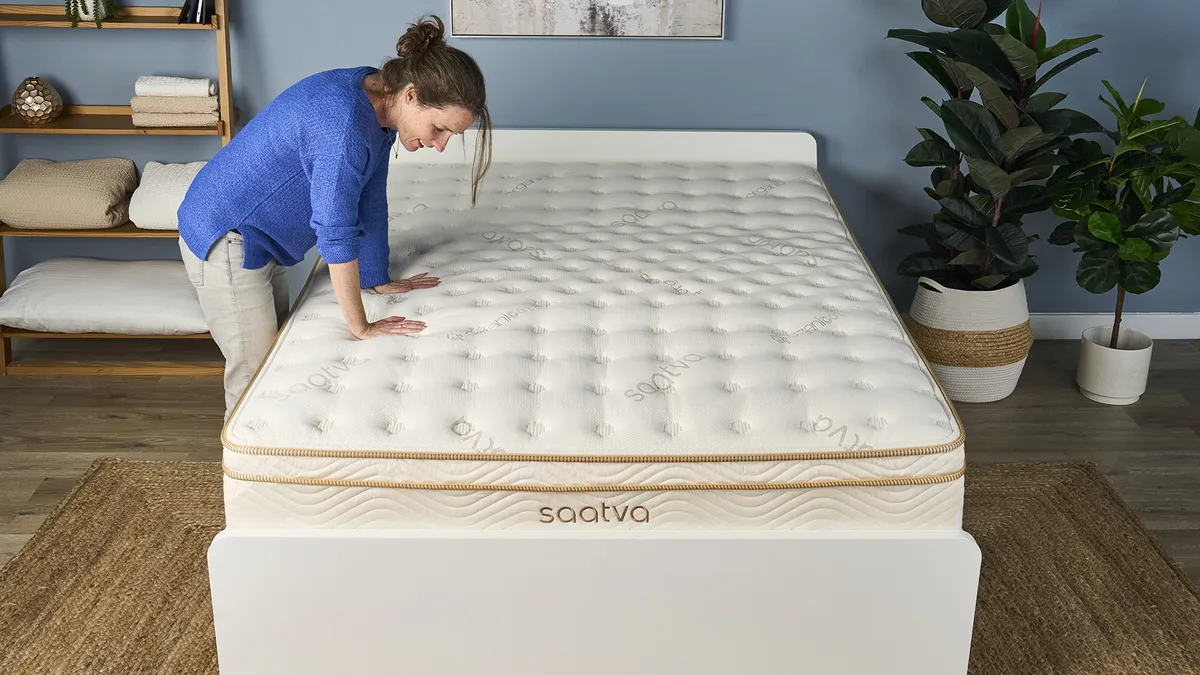
Alongside warranties, a generous mattress trial is just as important. This trial period lets you test the mattress risk-free. If it doesn’t meet your needs, you can return it either for a small charge or for free.
A 365-night sleep trial is ideal, but look for a trial period of at least 120 days. It can take three-to-four months for a mattress to fully break in, therefore it might feel firmer in the first few weeks of sleeping on it.
3. Height of at least 10 inches
We recommend adults choose a mattress that’s at least 10" tall. A quality hybrid mattress needs enough comfort layers to maintain its durability, which requires a taller build.
If your mattress is shorter than 10", there’s a good chance it doesn’t have enough foam and coils, which can compromise comfort.
Don’t forget to consider the thickness of each layer as well. High-density foams and reinforced coil systems in taller mattresses help your bed keep its shape over time.