As an avid runner who finds it hard to do as much strength and conditioning work as I should, I've always found having a specific goal with my gym workouts helps to motivate me.
A couple of years back I committed hard to bolstering my calf strength to stave off Achilles tendon problems and did thousands of calf raises over the course of 12 months. Right now, my focus is my hamstrings, which are a weak spot for me with regards to getting running-related niggles.
I went to see a physiotherapist for advice on strengthening my hamstrings and have been doing a short routine of exercises they suggested, including these glute bridge variations and various deadlifts.
The move that I feel has been the most beneficial during these workouts, however, is the hamstring slider, and it’s well worth adding to your leg day routine.
How to do the hamstring slider

As the name suggests, you’ll need to be doing some sliding with the hamstring slider, which means you need to put something under your feet to facilitate this.
On hard floors you can use a tea towel or really any bit of clothing you don’t mind scraping along the floor, but on carpets you might need to get a dedicated set of sliders to make it easier.
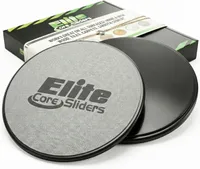
Once you have your sliders or tea towel in place, you’re ready to slide.
- Lie down on your back and bend your knees so your heels are placed on your towel/sliders.
- Drive your hips up to get into a bridge position, with your heels still resting on the sliders.
- Slowly slide your feet away from your body, keeping your hips raised off the floor.
- Once your legs are almost fully extended, pull your feet back into your body and push back up into the bridge position.
You should really feel your hamstrings working when pushing and pulling the sliders. I usually do three sets of 10 reps with both legs, then three sets of eight reps working one leg at a time, with my other leg raised.
The single-leg variation is even harder, and sometimes I’ll just do the first half of the move where I push the slider away, then drop my hips to the floor before pulling the slider back for an easier variation.
To increase the difficulty of the move you can always add weight by holding a dumbbell on your hips while performing the exercise.
Benefits of the hamstring slider
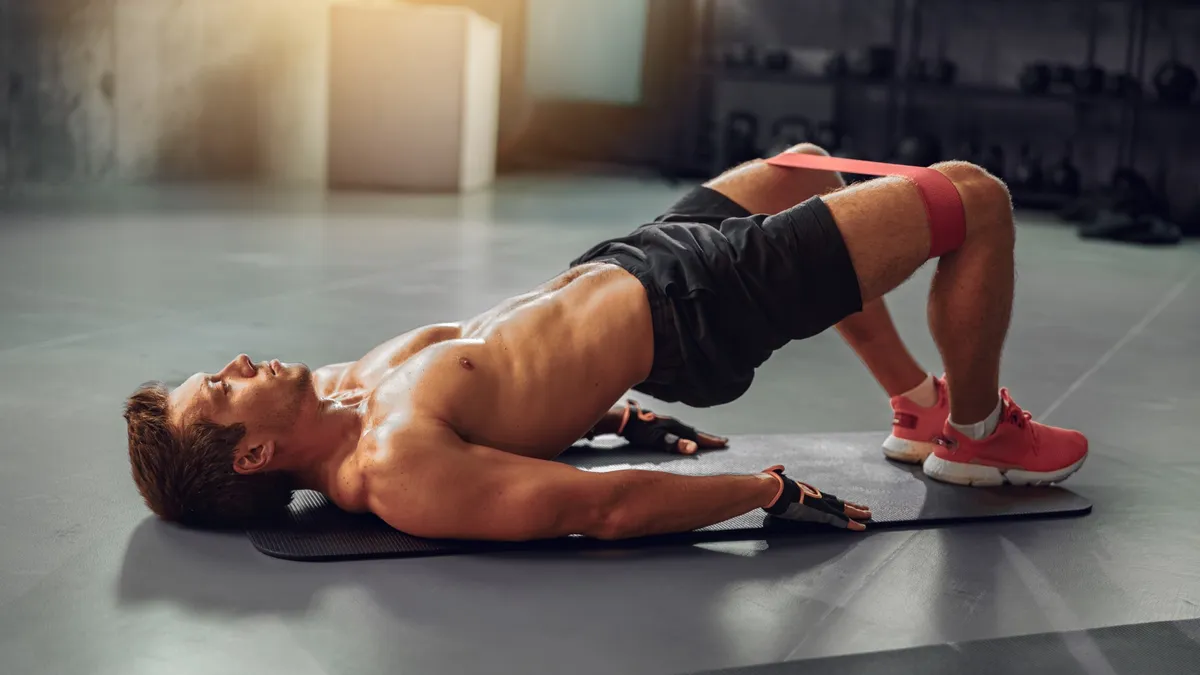
The main benefit of the hamstring slider is building strength and resilience in the hamstrings. It’s great for those looking to avoid or rehab injuries in the area, and perfect for runners trying to bulletproof their body so it can handle the miles they run.
I find the hamstrings a fairly hard area to target without doing deadlifts, which I don’t have enough weight to do really effectively at home, so having a move that works the hamstrings directly with almost no equipment is great.
That accessibility is certainly another benefit of the move — you can do sliders anywhere you have space and the ability to slide your feet.
Since there’s no weight involved, I have also found you can do them safely while children clamber all over you, which does mean I can fit them into my day more easily.
The move is also good for the strength and stability of your core and glutes, because you have to hold the bridge position while doing the slide.
All around, it’s a great move that’s easy to add to a workout or even do as a standalone move when the motivation strikes you.

Follow Tom's Guide on Google News and add us as a preferred source to get our up-to-date news, analysis, and reviews in your feeds.
More from Tom's Guide