




We’re runners, so, naturally, we want to run. So when faced with a choice between lacing up the best running shoes and heading out into the fresh air, or grabbing some dumbbells for a strength workout, the run almost always comes out on top.
But strong runners aren’t made by running alone. Whatever your level, strength training is essential. It helps you run more efficiently, stay injury-free and keep going for longer. That’s why many coaches now include structured strength sessions alongside mileage plans.
“Strength training builds the muscle, tendon and joint resilience you need to absorb impact efficiently, maintain good form when you’re tired and reduce the likelihood of injury,” explains Laura "Biceps" Hoggins, a running coach, personal trainer, Realbuzz ambassador and certified strength and conditioning specialist.
So when I asked her for the single most important strength exercise for runners, her answer was surprisingly simple.
What is the exercise?
While many runners tend to focus on plyometrics and explosive movements like box jumps or bounding, Hoggins’ favorite is the split squat. It’s a move that can be done at home or in the gym, and it requires very little space or equipment. Here’s why Hoggins recommends it and how split squats can make you a stronger, more resilient runner.
“The way I explain running to clients is that it’s a series of single-leg hops,” says Hoggins. “Which is why this move will help you become a stronger runner. The split squat basically helps bridge the gap between gym strength and running demands. When your lower body is strong, your balance improves, which naturally helps you to improve your stride and run more efficiently.”
How to do split squats
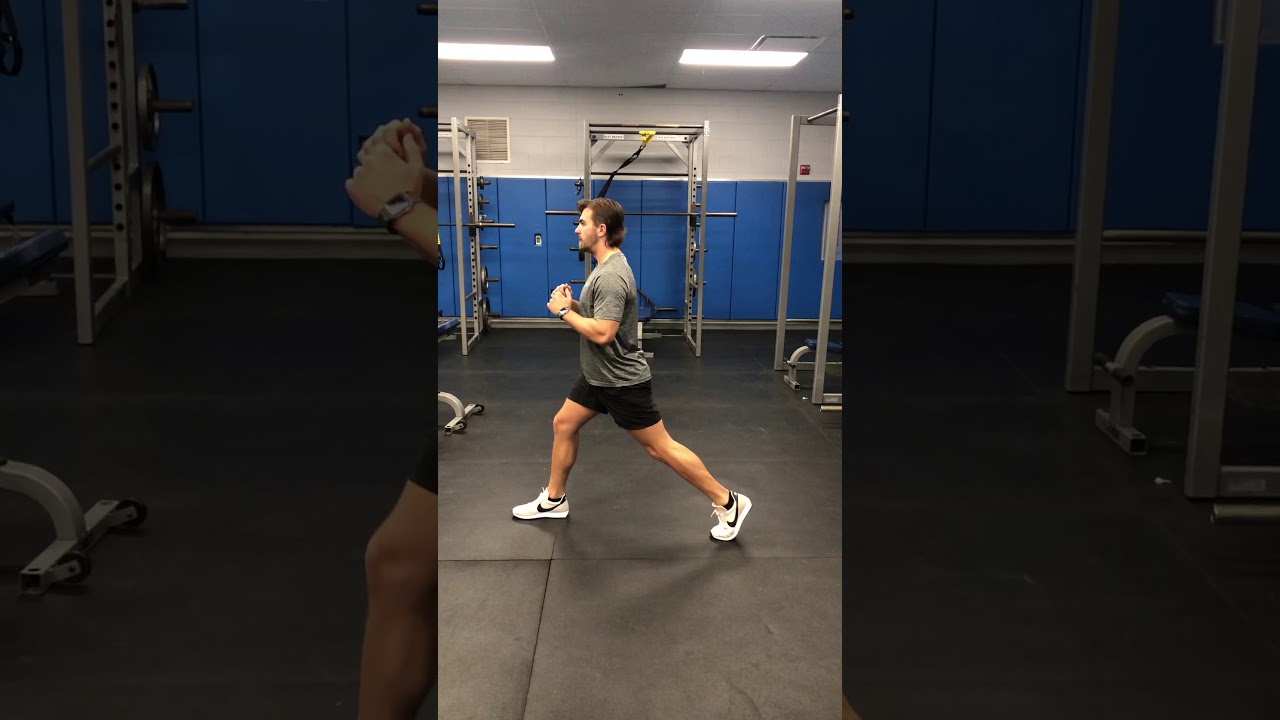
This is a unilateral exercise, working one side of your body at a time and testing your balance. To perform it:
- Start with your feet shoulder-width apart and take a large step forward, planting your left foot firmly on the floor.
- Keep your hips straight and raise your back heel so that only the toes of your right foot touch the ground. This is your start position. Think of train tracks with your feet rather than a tightrope.
- Bend both knees and lower the knee of your right leg toward the floor while keeping your front knee and ankle aligned
- Pause briefly at the bottom, and then use both legs to push upward to the starting position.
- Complete your reps from this split position, then switch to the other side.
- Hoggins recommends 3-4 sets of 6-10 reps per leg.
Why the split squat is the single best strength exercise for runners
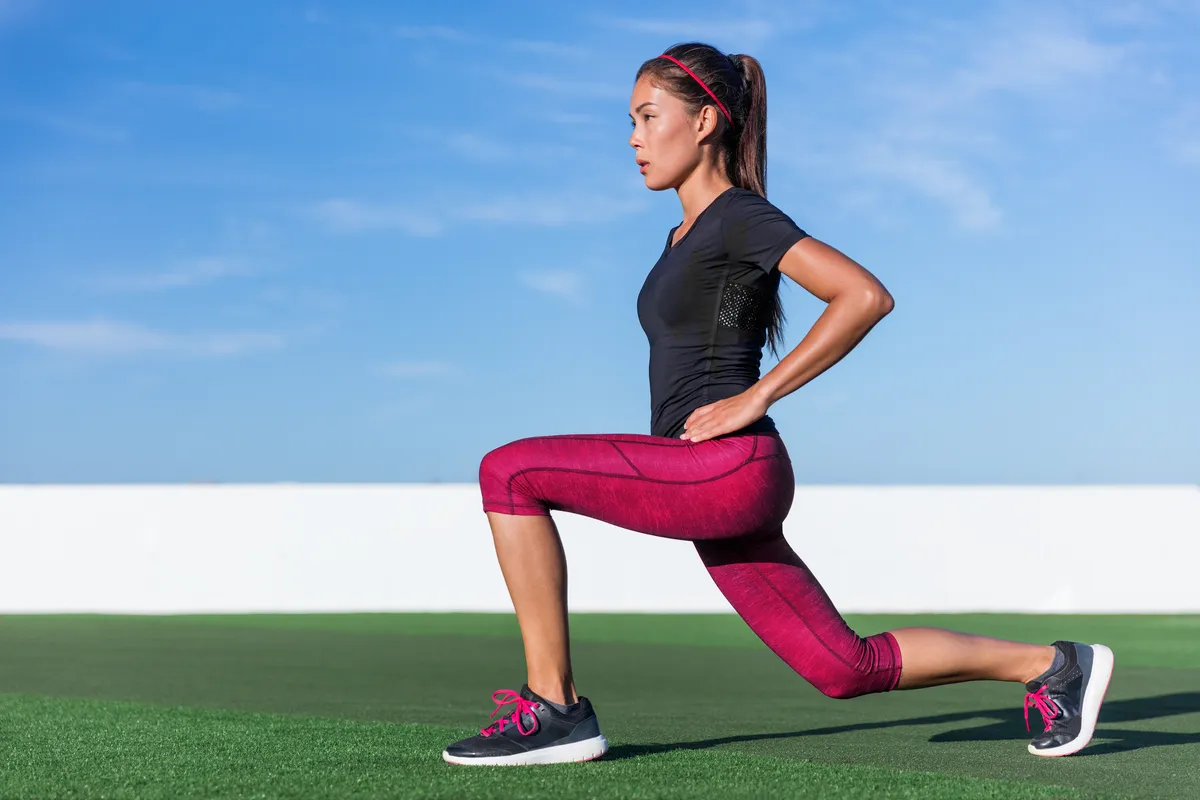
Hoggins explains that this exercise is “highly beneficial for runners because it trains strength, stability and control through the hips, knees and ankles, and exposes imbalances before they possibly turn into injuries.”
In other words, it strengthens the muscles runners rely on, helping you power through runs, while improving running economy so you can maintain a strong pace. The split squat also improves power off the ground, posture under fatigue and can help reduce common overuse injuries like lower back and knee pain, shin splints and Achilles issues.
Running is high-impact. Every step you take generates ground reaction forces on your joints, so to protect them, runners need to develop resilience in their muscles, tendons and joints to absorb some of that force.
Hoggins explains that split squats are particularly effective because they build single-leg strength, improve hip and knee stability and increase load tolerance. Think better balance, too, as you can work each leg independently, like when running. Plus, you can work through a full range of motion while placing less strain on your lower back compared to a standard squat.
How to make split squats more effective
I performed split squats alongside my half-marathon training for The London Landmarks Half, starting with just my bodyweight. As the weeks progressed, I then held a dumbbell or kettlebell in front of my body (goblet style) and moved on to the Bulgarian split squat variation, elevating my back leg to challenge balance and depth even further.
This position not only improves pelvic stability but also helps align the hips and knees. You can use a chair at home, a bench in the gym to elevate your back leg, or even a TRX to add more instability, which engages your core and increases depth and hip mobility. Prepare to wobble!
You can also lean slightly forward, which targets the glutes and hamstrings, or keep upright, which emphasizes your quads. Hoggins says, “The possibilities are endless with split squats, and even training twice a week can make a noticeable difference.
"The key is to prioritize quality over quantity and practice going slow and controlled before adding weight. You’re training your body to be more robust, more efficient and better at handling load, which is a great base for injury-free running.”

Follow Tom's Guide on Google News and add us as a preferred source to get our up-to-date news, analysis, and reviews in your feeds.
More from Tom's Guide

