




As we get older, the importance of strength training goes beyond the need to build muscle. It’s also a vital part of how we protect our joints — the joints that keep us moving well every day. From climbing stairs and carrying shopping to getting up off the floor, our knees, hips, shoulders, and ankles all need support if we want to stay independent as we age.
If you’re in your 50s or beyond, you’ve probably started noticing more stiffness, niggles or aches, especially following long periods of sitting or if you’re dealing with a history of injuries. This is where joint-friendly strength training can really help. It’s one of the most effective ways to maintain mobility and a key part of your longevity toolkit.
Whether you’re completely new to strength training or looking for a gentler way to stay strong, the five exercises below are beginner-friendly, equipment-free, and easy to adapt to your ability level. Each one targets the muscles that support your joints. Done consistently, they’ll help you move with more ease, confidence, and resilience as you age.
5 strength exercises that will protect your joints as you age
1. Glute bridge
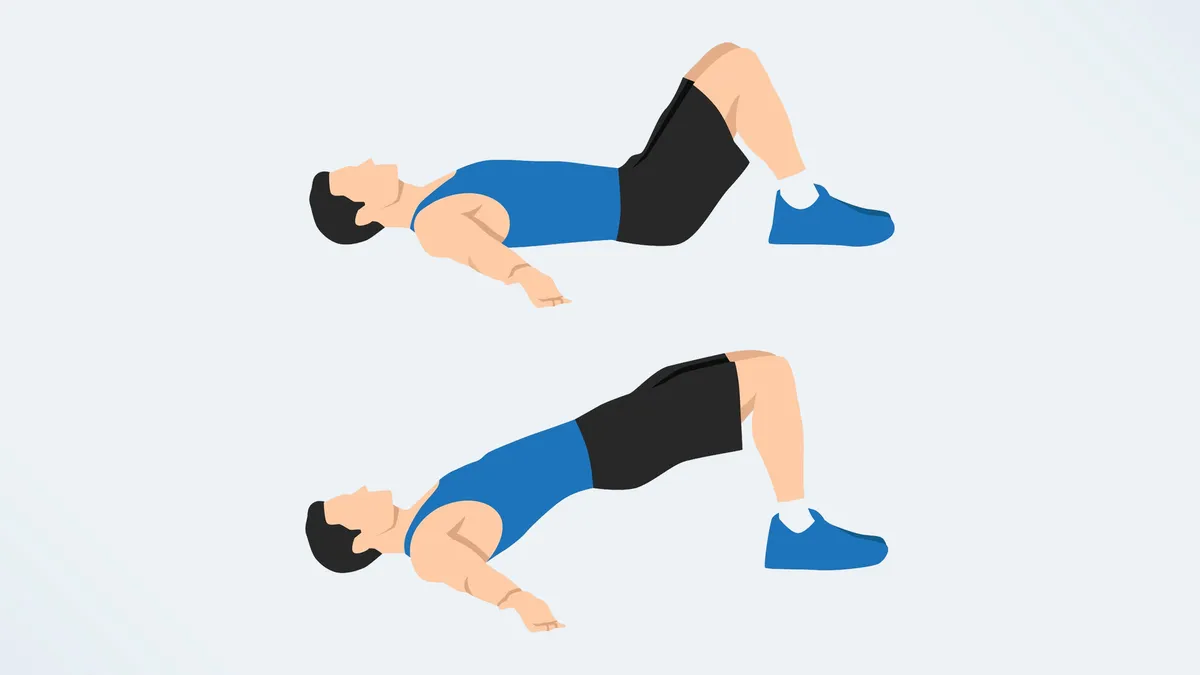
Strong glutes are one of the best ways to protect your hips, knees and lower back. When these muscles are weak, other joints often compensate, leading to discomfort or injury over time. The glute bridge is a tried-and-tested exercise that strengthens the posterior chain without loading the joints, making it ideal for beginners or anyone with knee sensitivity.
It also improves hip stability, which plays a key role in walking, climbing stairs and maintaining good posture.
- Lie on your back with your knees bent and feet flat on the floor, hip-width apart.
- Rest your arms by your sides.
- Press through your heels and lift your hips until your body forms a straight line from shoulders to knees.
- Squeeze your glutes at the top, then slowly lower back down.
- Repeat for 10–15 reps.
2. Sit-to-stand (chair squat)
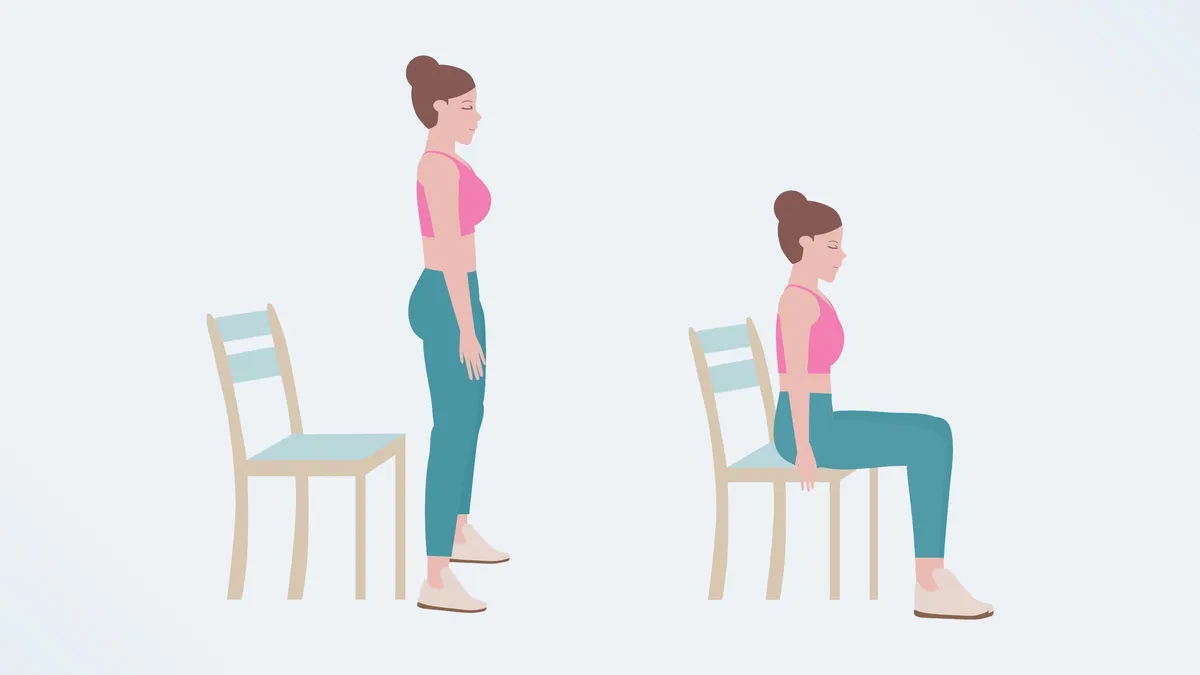
This is one of the best functional strength exercises you can do after 50 because it directly mirrors movements we do every day. By strengthening the quads and glutes, we reduce pressure on the knees and hips — two joints that can cause a lot of problems for seniors.
- Sit on a sturdy chair with your feet flat on the floor, hip-width apart.
- Cross your arms over your chest or rest your hands lightly on your thighs.
- Lean slightly forward and stand up in a controlled way, without pushing off.
- Pause at the top, then slowly lower yourself back down.
- Aim for 8–12 reps, focusing on control rather than speed.
3. Heel raises

When we talk about joint-friendly strength training, ankle strength can often be missed. But strong calves and ankles help absorb impact and support healthy walking mechanics, which reduces strain traveling up into the knees and hips. It’s a knock-on effect that shouldn’t be overlooked.
- Stand tall with your feet hip-width apart. Hold onto a chair or wall for support if needed.
- Slowly lift your heels off the floor, rising onto your toes.
- Pause at the top, then lower back down with control.
- Aim for 12–15 reps.
4. Standing hip abduction

A standing hip abduction (or side leg lifts) is a simple move that targets the muscles that stabilize your pelvis. Weak hip abductors are linked to knee pain, poor balance and an increased risk of falls, making this exercise particularly important for maintaining independence as you age.
- Stand tall and hold onto a wall, chair or sturdy surface for support.
- Lift one leg out to the side while keeping your toes pointing forward.
- Keep your body upright and avoid leaning.
- Pause briefly at the top, then slowly lower.
- Repeat for 10–12 reps, then switch sides.
5. Prone Y raises

Prone Y raises (a variation of the Prone W exercise) help stabilize the shoulder blades and strengthen the muscles in the upper back. As we age, rounded shoulders and weak upper-back muscles can increase the risk of shoulder pain and limit overhead movement, especially if you spend a lot of time sitting.
It’s a simple but powerful move that supports better spinal alignment, making everyday tasks like reaching, lifting, or carrying more comfortable.
- Lie face down on the floor with your arms stretched overhead in a “Y” shape.
- Rest your forehead on the floor or a folded towel.
- Gently lift your arms a few inches off the ground while keeping your neck relaxed.
- Focus on squeezing your shoulder blades down and back.
- Lower slowly and repeat for 8–12 reps.
These simple, low-impact strength exercises can make a real difference when done consistently. Start with the basics, focus on good form and consistency, and once the movements feel comfortable, you can gradually increase the challenge by adding tempo, extra repetitions, or light resistance such as bands.
The goal is to build joint-friendly habits that will help you stay strong and mobile for years to come.

Follow Tom's Guide on Google News and add us as a preferred source to get our up-to-date news, analysis, and reviews in your feeds.
More from Tom's Guide
- 'I’m 72 and in the best shape of my life: Here’s the 5 simple isometric bodyweight exercises I prioritize to counter age-related muscle loss.'
- I’m a personal trainer who works with seniors — these are the 4 exercises I wish everyone would do before they turn 60
- 'I'm a 63-year-old personal trainer: These are the 5 simple bodyweight exercises I give to my clients that build muscle faster than walking workouts.'

