I recently packed for a six-day snowboard trip to British Columbia and found myself irritated as the bag of charging cables needed to power all my precious gadgets grew into an unsightly tangle of proprietary absurdity.
For far too long, consumers have suffered with nonsensically incompatible methods of powering and connecting devices. There’s a multitude of reasons why one universal cable to rule them all is so elusive, but no brand escapes culpability in this mess.
Well, I’ve had enough — I don’t know about you, but I’m mad as hell about proprietary cables, and I’m not going to take it anymore.
Six days, ten cables, four power bricks and one dongle
Though my trip was set for just six days, no fewer than ten cables, four power bricks and one dongle accompanied me along the way.
I packed two USB-A to Lightning chargers for my phone and my partner’s, along with two USB-A to USB-C cables for topping off my Fujifilm X-E4 and an Anker PowerCore Slim charger, one of the best portable chargers on the market. I also packed a single USB-A to USB-Micro cable for smaller gadgets, including an aging Bluetooth speaker.

My Polar Vantage V3, Theragun Mini massage gun, Bose QC25 Bluetooth adapter and workout earbuds all utilize 100% proprietary cables — awesome. The Theragun cable connects directly to a wall outlet — which we’re actually big fans of — but the Polar cable requires a USB-C connection, while the others require USB-A — how lovely.
I additionally packed a single USB-C to USB-C cable for my MacBook Air and four wall adapters: two for USB-C cables and two for USB-A. Finally, a USB-A to USB-C dongle joined the gang for use with a travel-sized SD memory card reader (that ended up not working, sigh).
Could I have skipped one or two of these items? Possibly. But having had accessories crap the bed at terrible times in the past, this was the bare minimum I felt comfortable hauling across an international border.
What can be done about the proprietary cable plague?
So, what can be done about this ridiculous plague of proprietary cables?
It may seem like a lost cause, but there’s reason to be hopeful about the future of wired charging and connectivity. A 2022 ruling by the European Union mandates that all handheld devices sold in the EU must have a USB-C charging port by 2024. The same mandate will also apply to all laptops sold in the EU starting in 2026.
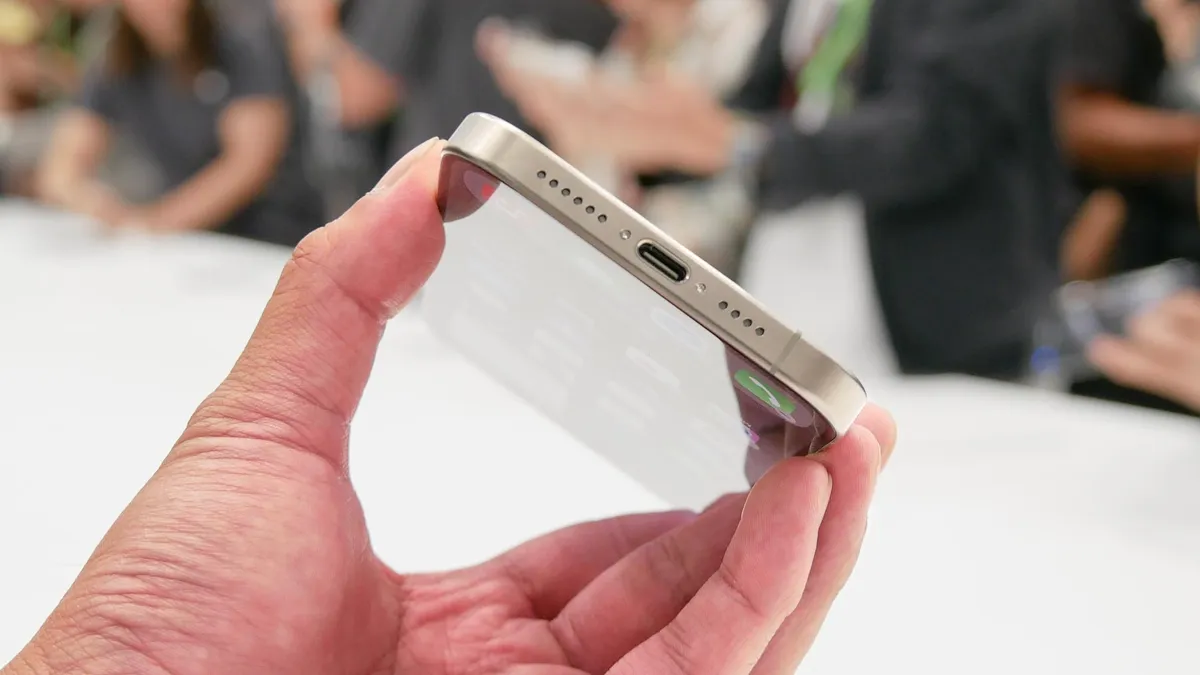
Already, this ruling has forced Apple — a brand notorious for doing things its way — into ditching its proprietary Lightning port on the latest iPhone 15 models in favor of USB-C.
What about mandates elsewhere? It might be a hard sell in the U.S. as a whole, especially to free-market diehards. But the state of California recently passed similar legislation last spring. Other countries are following suit, too. And this legislative momentum could very well be enough to nudge other manufacturers into charging port changes at a global scale.
An end in sight to the endless cable blight
Ultimately, with the EU mandate at our doorstep, bluer skies may be just ahead: Imagine a world where USB-C ports abound in every home, cafe, train station and school, and everything from your smartphone to your blender uses the same ubiquitous cable. (This would, of course, require so serious gadget upgrading, but c’est la vie). Now, that’s a society I want to live in. Until then, here are the best wireless chargers in 2024.
More from Tom's Guide
- The Samsung Galaxy Ring is real — your move, Apple
- Apple Vision Pro — 7 things that surprise me about this new spatial headset
- 5 smartwatches to watch in 2024: Apple Watch 10, Samsung Galaxy Watch 7