




The Galaxy Z TriFold is an impressive-looking device that combines aspects of the best foldable phones with the best Samsung tablets, but nothing is ever perfect.
Samsung's official announcement of the Galaxy Z TriFold has put an end to months of rumors by showcasing the device's official look and specs. If that wasn't enough, there are several detailed, hands-on YouTube videos of the device, including one from Mrwhosetheboss that reveals even more about it.
At a glance, the Galaxy TriFold is certainly ambitious, and it could be the ideal phone-tablet hybrid for the right owner. With that in mind, I've broken down the top three advantages of Samsung's new release, along with some potential problems you should be aware of.
Galaxy Z TriFold: The Pros
The Screen is galaxy-spanning in size

One of the most pressing questions about the Galaxy Z TriFold has to be how big the display is. The specs make it evident that it won’t disappoint thanks to the massive 10-inch Dynamic 2X AMOLED display, as well as a 6.5-inch outer screen. That easily dwarfs the 8-inch main display of the Galaxy Z Fold 7, although the front remains the same.
The displays aren’t just large, as they also come with a 120Hz refresh rate and a peak brightness of 1,600 nits — while the main panel can reportedly reach as high as 2,600 nits. Samsung has claimed that the Galaxy Z TriFold will offer the equivalent of having three 6.5-inch phones running side by side. If you want the ideal viewing experience, you couldn't do much better.
Samsung design could counter durability concerns

I have, in the past, written about my concerns regarding durability for the TriFold's hinges. However, Samsung has introduced several new design elements that could mitigate my concerns. The first is that the phone will actually alert you with both vibrations and alerts if you try to close it wrong, which could limit wear and tear on the inward folding hinges.
Samsung has designed the Galaxy Z TriFold with two differently sized hinges that build upon the Armor FlexHinge design that was introduced with the Galaxy Z Fold 7. The reason to use different sizes is that it creates a much smaller gap between the sections when folded, limiting the ability for dust and debris to get in.
As for the rest of the phone, the Galaxy TriFold uses Advanced Armor Aluminium for the frame to bolster rigidity, and ceramic glass for the panels to help protect against scrapes and scratches. It won't protect it if you drop it, but it should still be pretty resistant to daily use.
The Galaxy Z TriFold is more than just a pretty screen

The Galaxy Z TriFold offers some impressive specs beyond the display, which match (or even exceed) what we've seen in the best Samsung phones. That includes Qualcomm's Snapdragon 8 Elite chip and a 5,600 mAh battery, the largest we’ve seen in a Samsung phone yet.
The Galaxy Z TriFold features the same camera setup as the Galaxy Z Fold 7, including a 200MP main camera, a 12MP ultrawide and a 10MP 3x telephoto lens. Finally, both the inner and outer displays have a 10MP selfie camera. It's decent enough for what you need, but we'll have to test them against the competition to see how good they really are.
Hardware is only half the story, as the Galaxy Z TriFold also comes with Samsung's wealth of AI features, including Photo Assist, Generative Edit and Gemini Live support. On top of that, the Galaxy Z TriFold will be the first Samsung phone to feature a standalone Samsung DeX mode that can run up to five apps at once.
Galaxy Z TriFold: The Cons
A big screen, a bigger price

All of this sounds great, but no phone is perfect, and the Galaxy Z TriFold is no different. The biggest issue for most users will simply be the phone's cost when it is finally released. We have seen a lot of speculation for the eventual price over the last few months, including as high as $3,000.
Thankfully, it doesn't look like the Galaxy Z TriFold will cost quite that much, but it likely won't be cheap either. Now, it's worth noting that we don't have the official U.S. cost just yet, but we do know that the South Korean prices will start at KRW 3,590,400. That’s roughly $2,500, a noticeable increase from the $1,999 Galaxy Z Fold 7.
It’s durable, but it comes with issues and missing features
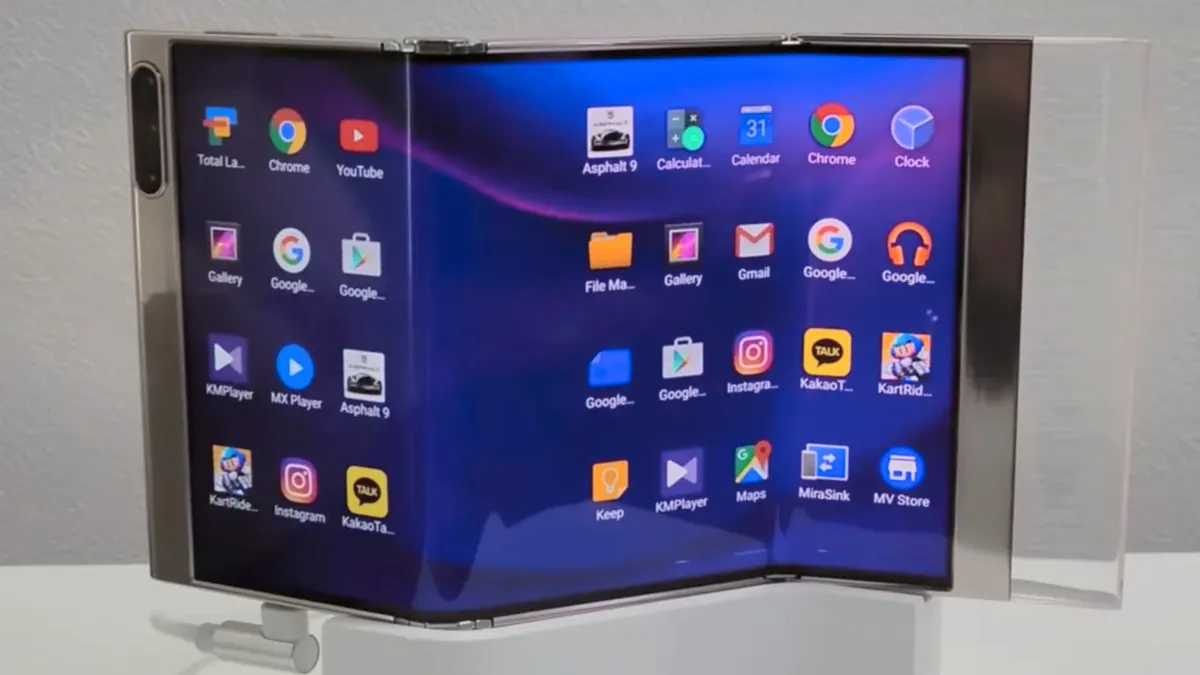
While Samsung has made steps to increase the durability, there are still some issues with the design. Firstly, according to hands-on videos, the exterior is made of a fiberglass composite that can feel sticky and is a magnet for smudges and fingerprints.
Also, while the individual sections of the phone are only 3.9mm thick, it is noticeably bulky when folded, and around 50% heavier than the Galaxy Z Fold 7. It's not the end of the world, but it might make it uncomfortable to have in your pocket.
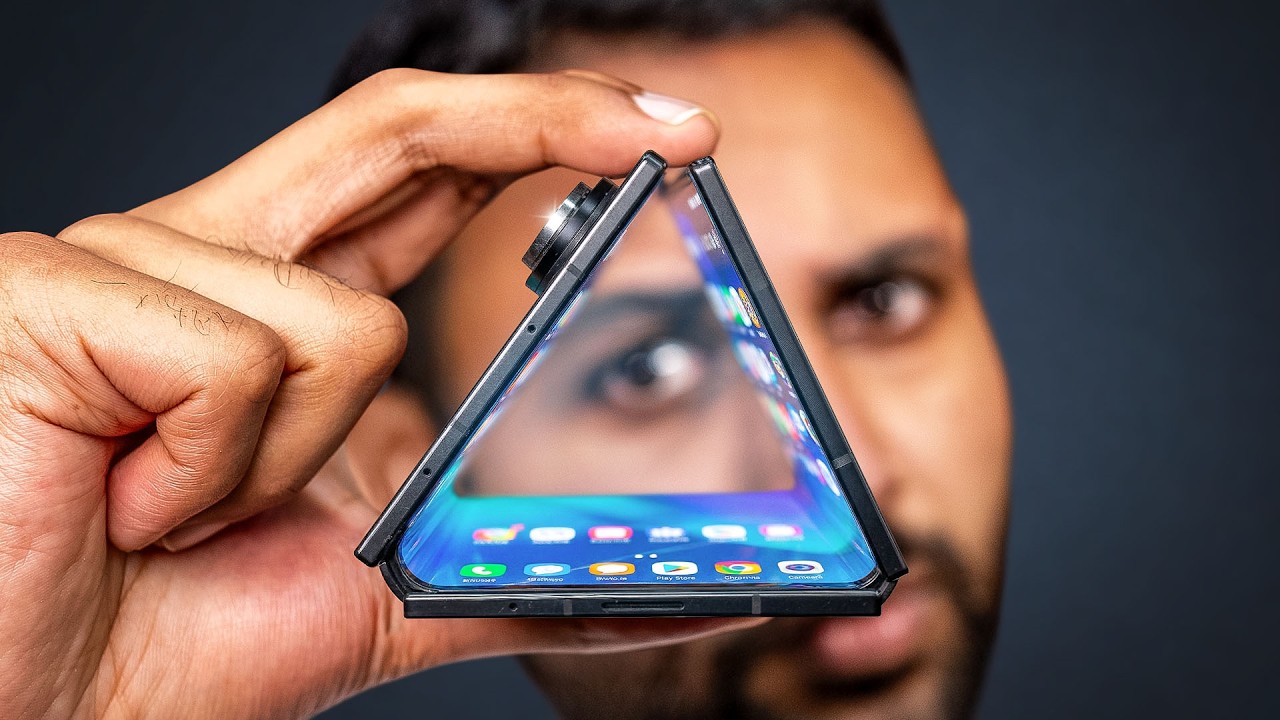
The design comes with the same issues we’ve seen in even the best foldable phones, namely the creases on the display. Considering the Galaxy Z TriFold has two such hinges, you're getting two noticeable indents in the screen. It also appears that the phone isn't able to comfortably sit flat on a surface, but the phone does come with a bundled case to mitigate this issue.
Finally, the Galaxy TriFold is yet another Samsung phone that drops any support for the long-suffering S Pen. This isn't surprising, as the Galaxy Z Fold 7 does the same, but losing that functionality on a bigger screen hurts more.
With that being said, we can't wait to get our hands on the phone and really put it through its paces. While there are some issues, the benefits seemingly outweigh the negatives for the right person. So, let us know what you think, and if you would be interested in the device when it eventually releases.

Follow Tom's Guide on Google News and add us as a preferred source to get our up-to-date news, analysis, and reviews in your feeds.

